
Gin · Australia
Gin Distilleries in Australia
Tour 7 gin distilleries in Australia. Each offers visits, tastings or experiences you can book directly — including Cape Byron Distillery, Archie Rose Distilling Co., 78 Degrees Distillery.
7distilleries


About gin distilleries in Australia
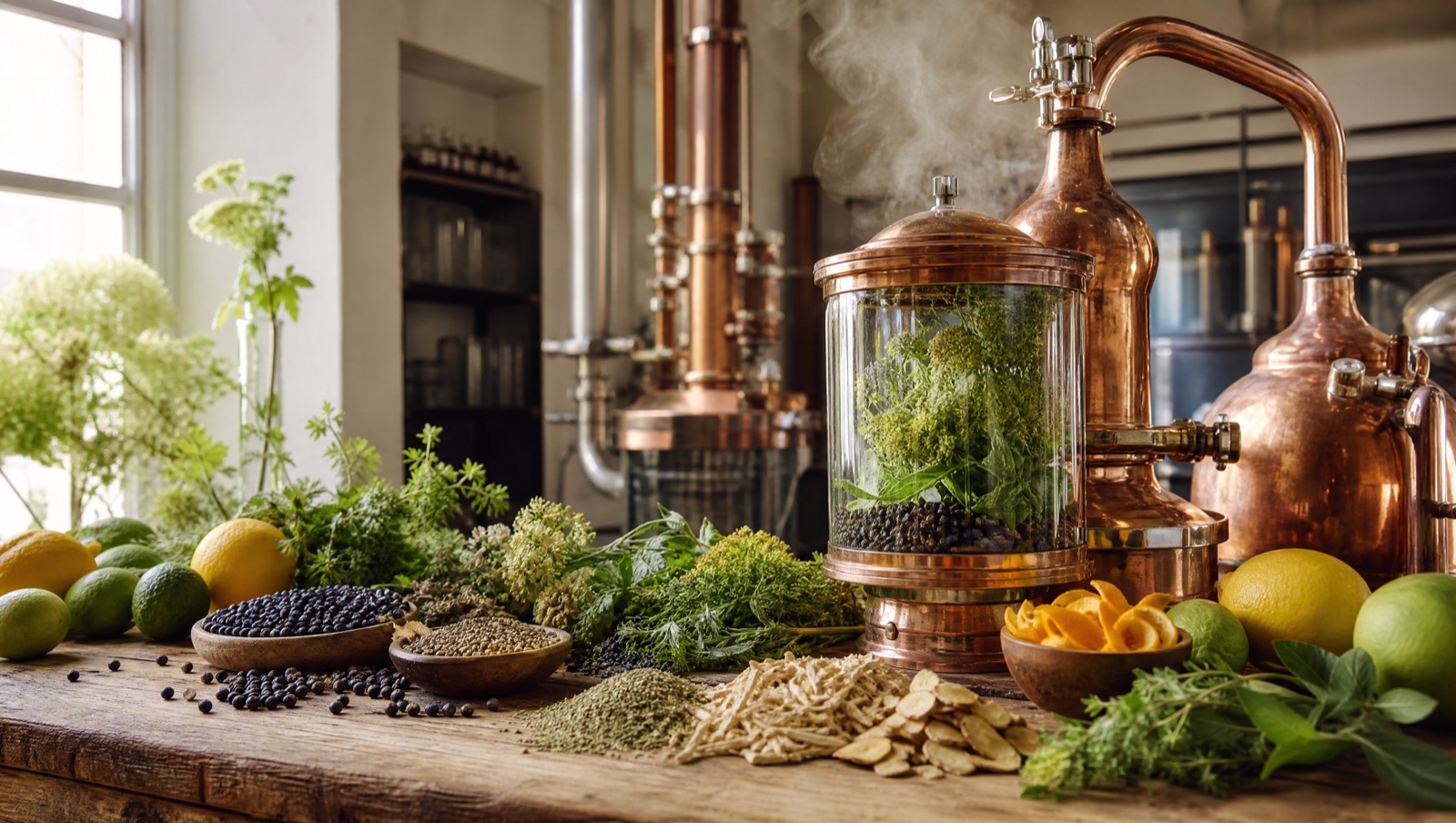
Few countries have rewritten the gin rulebook quite as confidently as Australia. Over the past decade or so, distillers from Byron Bay to the far south-west have learned to read their own backyard as a botanical larder, swapping imported juniper-and-citrus formulas for native ingredients with no European equivalent: lemon myrtle, finger lime, aniseed myrtle, strawberry gum, wattleseed, macadamia and bush tomato. The result is gin that tastes unmistakably of place. Cape Byron Distillery, home of the much-decorated Brookie's, leans into the subtropical rainforest of the Northern Rivers; Archie Rose Distilling Co. in Sydney built a national reputation on a precise, contemporary house style; and over in Western Australia, Great Southern Distilling Company and The Grove Distillery draw on coastal flora and cool-climate fruit. South Australia adds its own accent through Tin Shed Distilling Co. and the Adelaide Hills producers behind 78 Degrees, while Loch Brewery & Distillery flies the flag for regional Victoria. Visiting these distilleries is rarely a stuffy affair. Expect cellar doors with a relaxed, hospitable feel, knowledgeable hosts and tastings that double as a quick education in Australia's wild pantry.
Gin in Australia: styles & how it's made
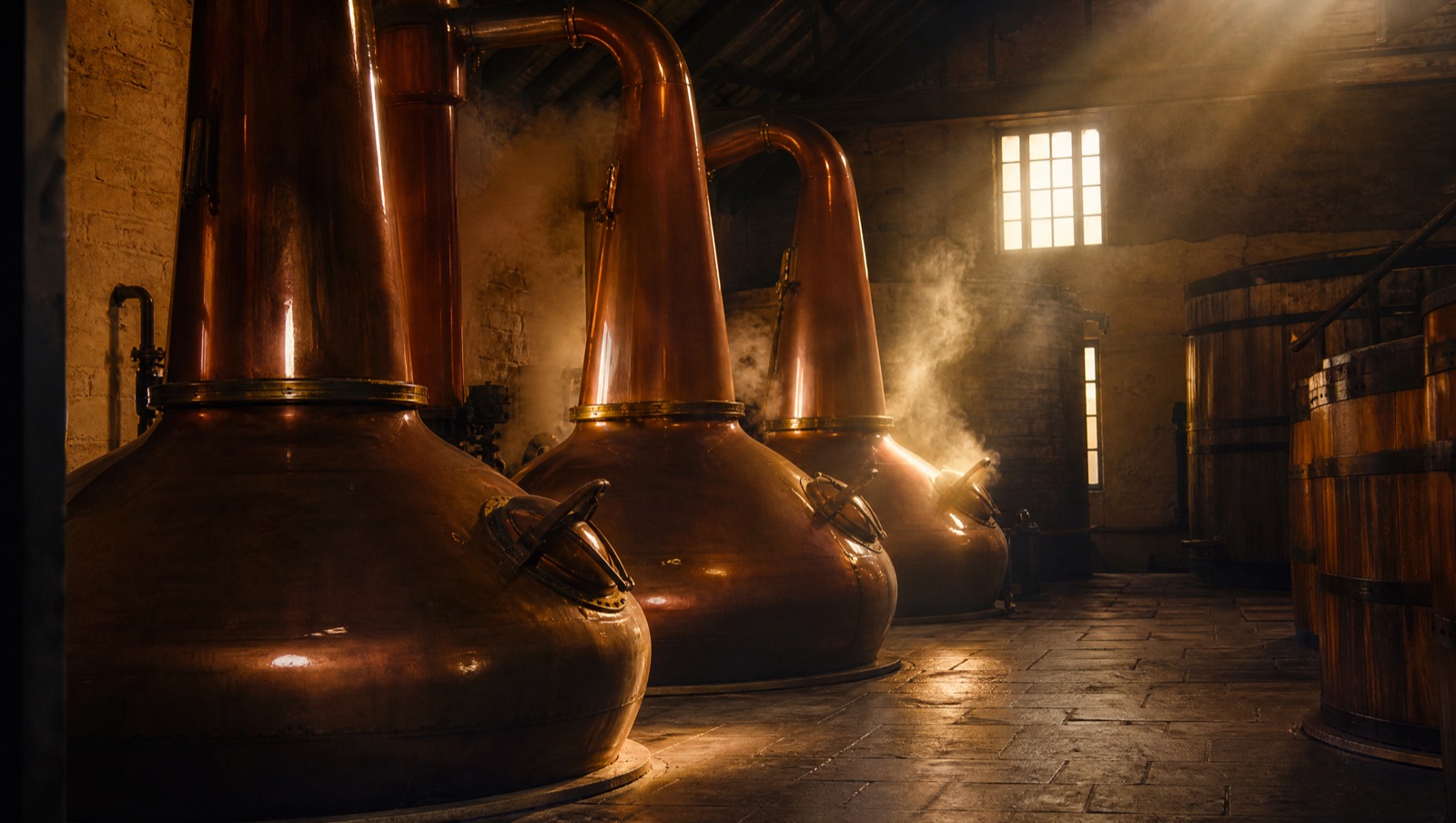
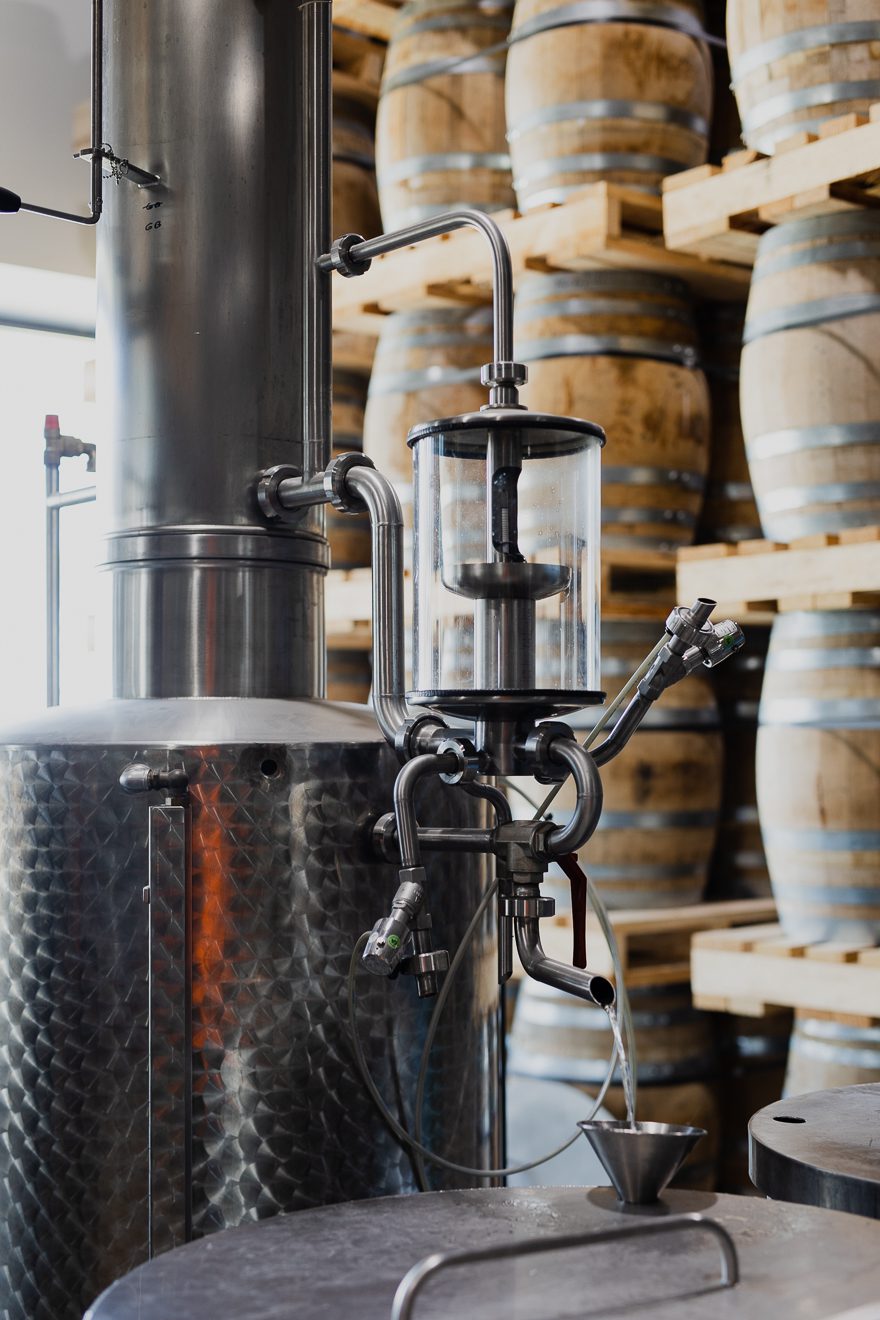
Australian gin still answers to the global definition, juniper has to lead, but from there the field opens up dramatically. The defining trend is the use of native botanicals foraged or farmed close to the distillery, which gives many gins a regional fingerprint: bright, citrus-forward and faintly salty along the New South Wales and Queensland coasts, more eucalypt and savoury inland, and cool-climate and floral in the south. Cape Byron's Brookie's is the textbook example, built around a large proportion of botanicals native to the Byron hinterland, including finger lime and aniseed myrtle. Methods vary too. Some distillers favour traditional steeping in a copper pot still, while Adelaide Hills, behind 78 Degrees, is known for a vapour-basket technique that captures lighter aromatics. Australia also pioneered grape-based and barrel-aged gins, so don't be surprised to find a smoky or wine-influenced expression on the tasting flight. The common thread across producers like Archie Rose and Tin Shed is meticulous, small-batch craft.
Where to taste gin in Australia
Australia's distilleries cluster around a handful of well-defined regions, which makes trip planning easy. In and around Sydney, Archie Rose's Rosebery home offers tours, tastings and masterclasses a short hop from the CBD. Head north to the Byron Bay hinterland for Cape Byron Distillery, set on a working farm among the rainforest that supplies its botanicals. South Australia rewards a detour into the Adelaide Hills, where Tin Shed Distilling Co. in Nairne pairs spirits with slow-cooked barbecue and 78 Degrees showcases its column-and-basket gins. Western Australia is its own adventure: Great Southern Distilling Company spans the Great Southern and Margaret River, and The Grove Distillery adds Swan Valley charm near Perth. For a regional Victorian stop, Loch Brewery & Distillery in Gippsland combines beer and gin under one roof. Most have proper cellar doors with bottle sales.
Planning your visit
Australia's distance is the first thing to plan around: these distilleries are spread across several states, so it pays to anchor a trip in one region rather than trying to connect them all. A Sydney base covers Archie Rose with ease, while a Byron Bay weekend pairs Cape Byron with the beaches and hinterland markets nearby. South Australians can string together Adelaide Hills cellar doors in a single relaxed day, with Tin Shed worth booking around its food service. In Western Australia, hiring a car is essential, the gap between Perth's Swan Valley and the Great Southern is considerable. Book tours and masterclasses ahead, especially on weekends and over summer holidays, and always nominate a designated driver or use the cellar doors that are reachable by tour transfer. Tasting flights are the best way to sample the native-botanical range without committing to a full pour, and most distilleries will happily ship bottles home.
Frequently asked
- What makes Australian gin different from other gins?
- The headline difference is native botanicals. Distillers increasingly build their gins around Australian plants such as lemon myrtle, finger lime, aniseed myrtle, wattleseed and macadamia, which have no direct European counterpart. Juniper still leads, as the definition requires, but the supporting cast gives Australian gin a distinctive regional character, citrusy and fresh on the coasts, more eucalypt and savoury inland.
- Which Australian gin distilleries can I visit?
- All of the producers listed here welcome visitors, including Archie Rose Distilling Co. in Sydney, Cape Byron Distillery near Byron Bay, Tin Shed Distilling Co. in the Adelaide Hills, Great Southern Distilling Company and The Grove Distillery in Western Australia, and Loch Brewery & Distillery in Victoria. Most run guided tours and tastings; check each distillery's site for current hours and booking.
- Do I need to book a distillery tour in advance?
- It is strongly recommended. Popular cellar doors like Archie Rose and Cape Byron can fill quickly on weekends and during summer holidays, and masterclasses in particular run to set session times. Walk-in tastings are sometimes possible, but booking ahead guarantees a spot and lets you secure a designated driver or transfer.
- Can I taste before I buy?
- Yes. Tasting flights are central to the Australian cellar-door experience and the best way to explore a distillery's range, including any limited or barrel-aged gins, before committing to a bottle. Many distilleries also sell direct and can ship to your home address.
- What's the best region for a gin-focused trip?
- It depends on where you start. Sydney and the Byron Bay hinterland are the easiest combination on the east coast, the Adelaide Hills offer several cellar doors close together, and Western Australia's Swan Valley, Margaret River and Great Southern reward a dedicated road trip. Pick one region and explore it in depth rather than spreading yourself thin.
- Are there food options at the distilleries?
- Often, yes. Several producers pair tastings with food, Tin Shed Distilling Co. is known for its barbecue platters, and Great Southern's sites offer casual meals. Others focus on the bar and cellar door, so it's worth checking ahead if you want to make a full afternoon of it.