
Gin · USA
Gin Distilleries in USA
Tour 195 gin distilleries in USA. Each offers visits, tastings or experiences you can book directly — including Mythology Distillery, Mason Dixon Distillery, Boot Hill Distillery.
195distilleries



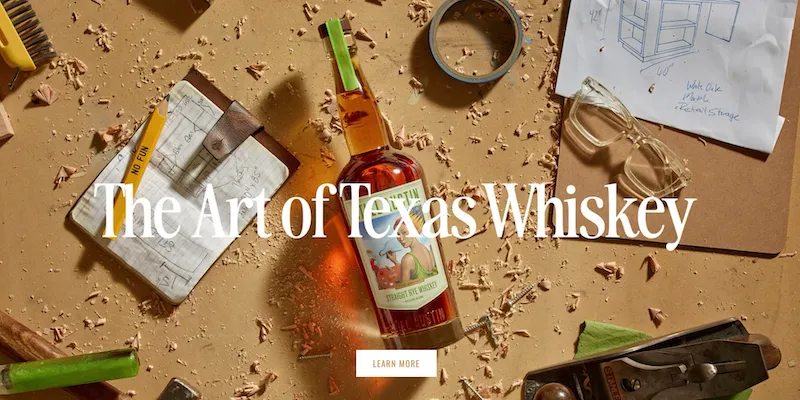
Still Austin Whiskey Co.
Grain-to-glass bourbon, rye and gin from Texas grains
KOVAL Distillery
Chicago's first post-Prohibition distillery, organic and small

Du Nord Social Spirits
Minneapolis gin, vodka and bourbon with a social heart



Sons of Liberty Spirits Co.
American single malt with live music and food trucks


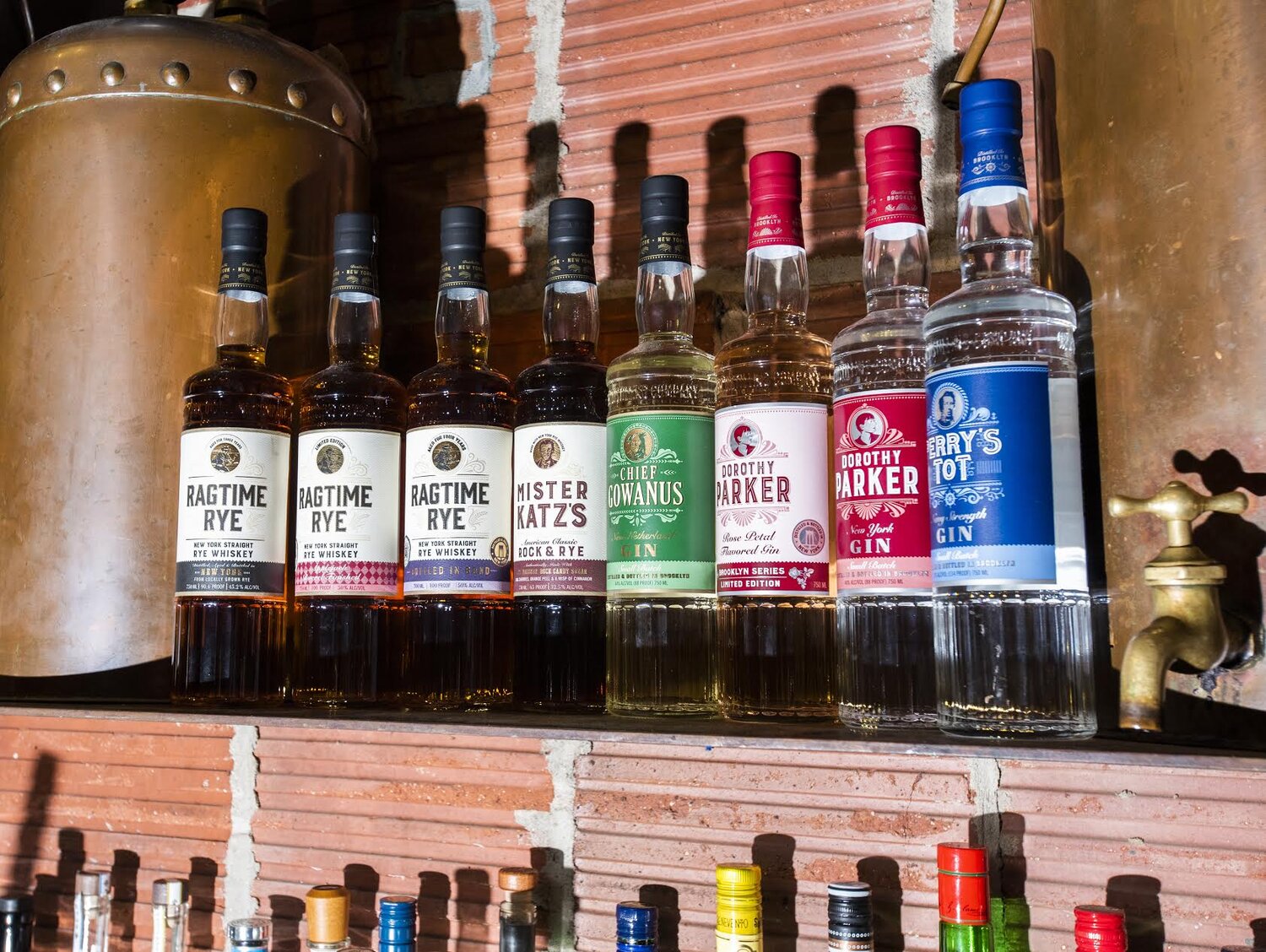
New York Distilling Company
Brooklyn rye distillery with the Shanty bar












About gin distilleries in USA
American gin has quietly become one of the most adventurous categories in spirits. Where London's distillers built their reputation on a uniform, juniper-forward profile, the United States gave rise to the so-called New Western style, in which juniper remains present but shares the stage with a kaleidoscope of regional botanicals. The craft boom that took the country from a few dozen distilleries in the early 2000s to thousands today turned gin into a canvas for local terroir, and a tour here is as much a lesson in geography as in distilling.
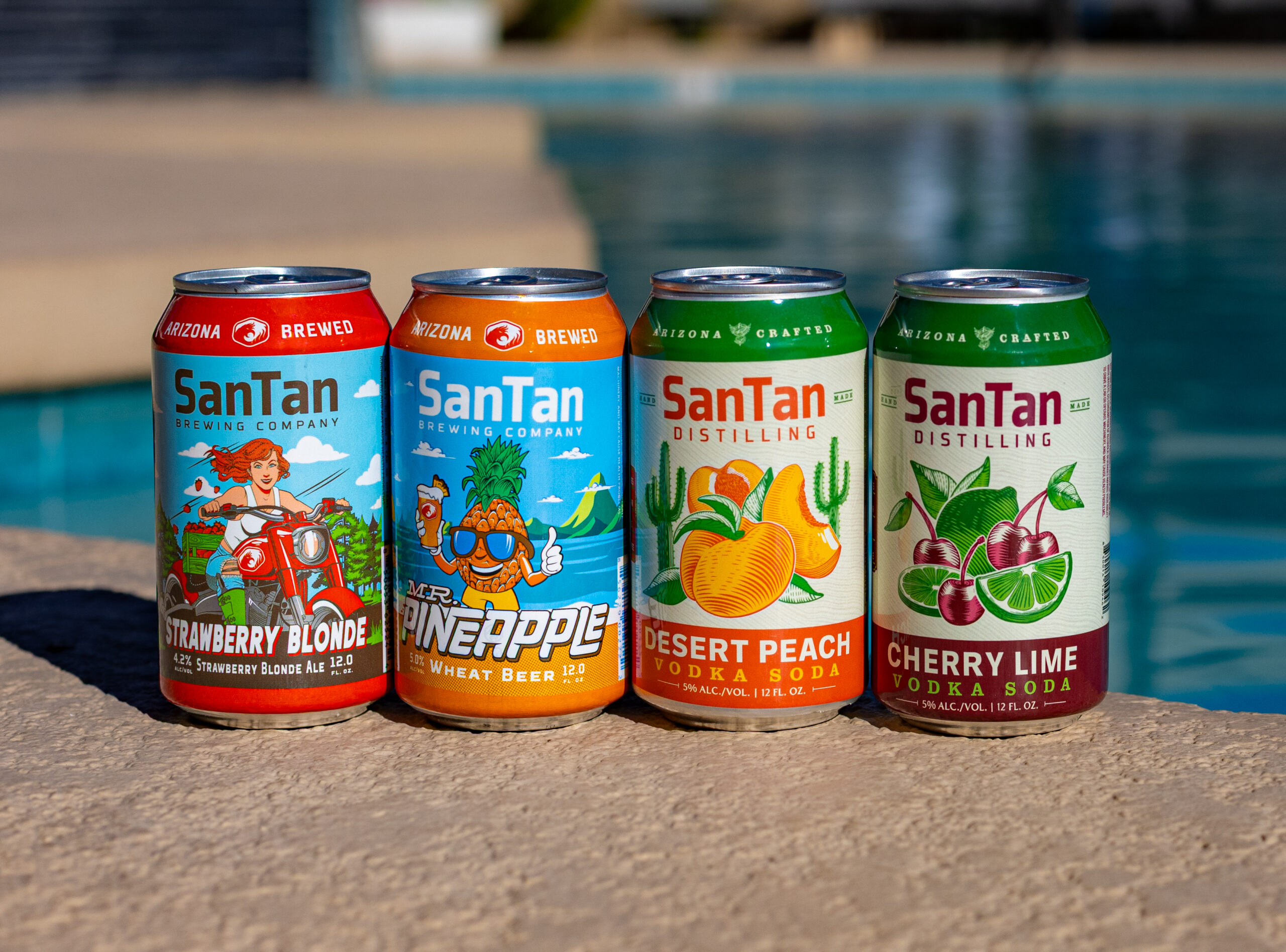
That regional character is the real pleasure of visiting. In the Bay Area, St. George Spirits, America's original artisan distillery, distils its Terroir gin around Douglas fir and California bay laurel as an ode to the hills of Mt. Tamalpais. Down in San Diego, Cutwater Spirits pours gin alongside rum, whiskey and tequila in a vast tasting room, while in Little Rock, Rock Town Distillery folds gin into a grain-to-glass operation rooted in Arkansas farmland. Across this list you will also find names like Blinking Owl, Greenbar, Griffo, Old Harbor and SanTan, each interpreting gin through its own backyard.
Tours typically pair a walk through the still house with a guided tasting, often finishing with a cocktail that shows the gin off in its natural element.
What to expect on a tour
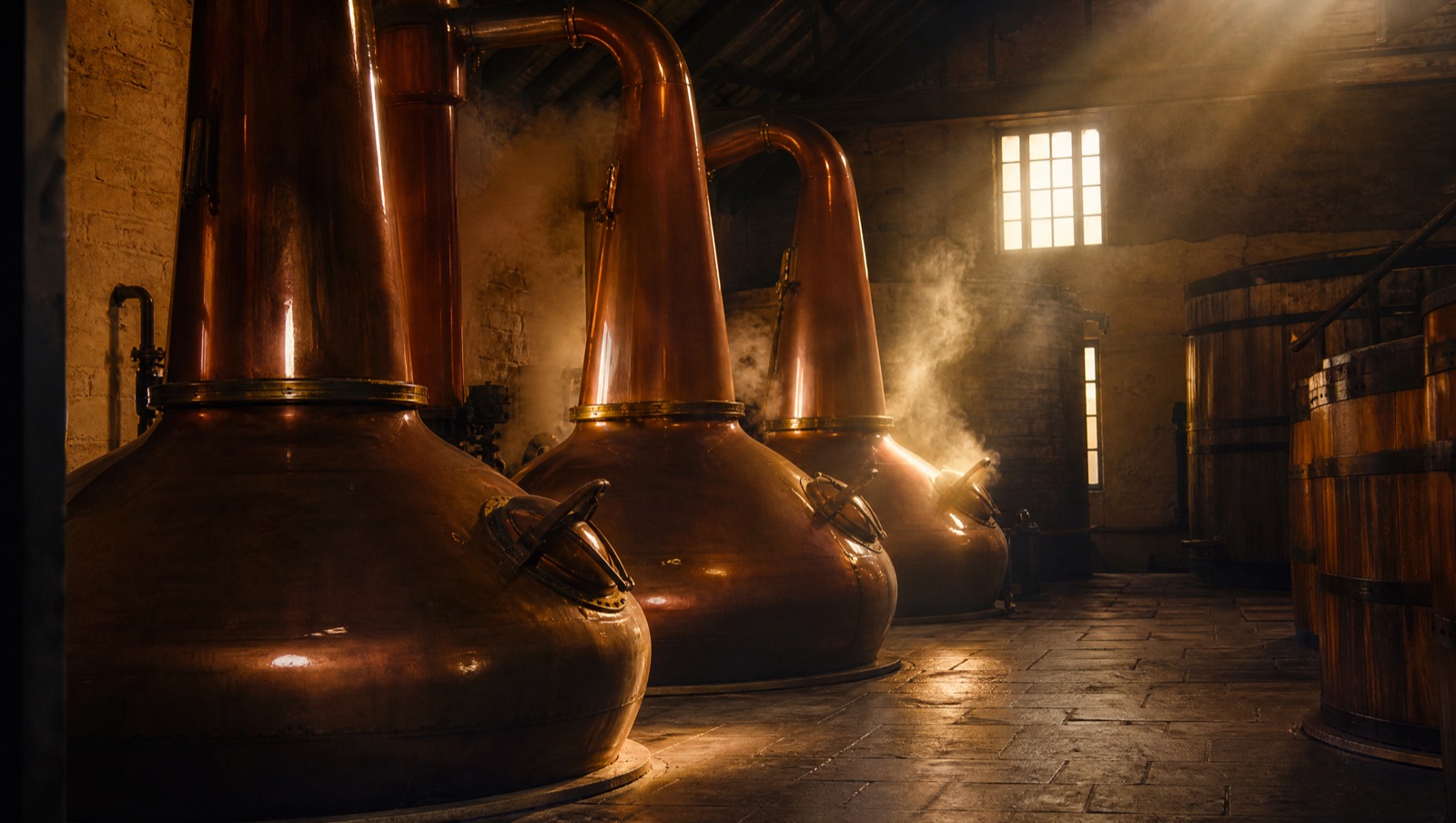
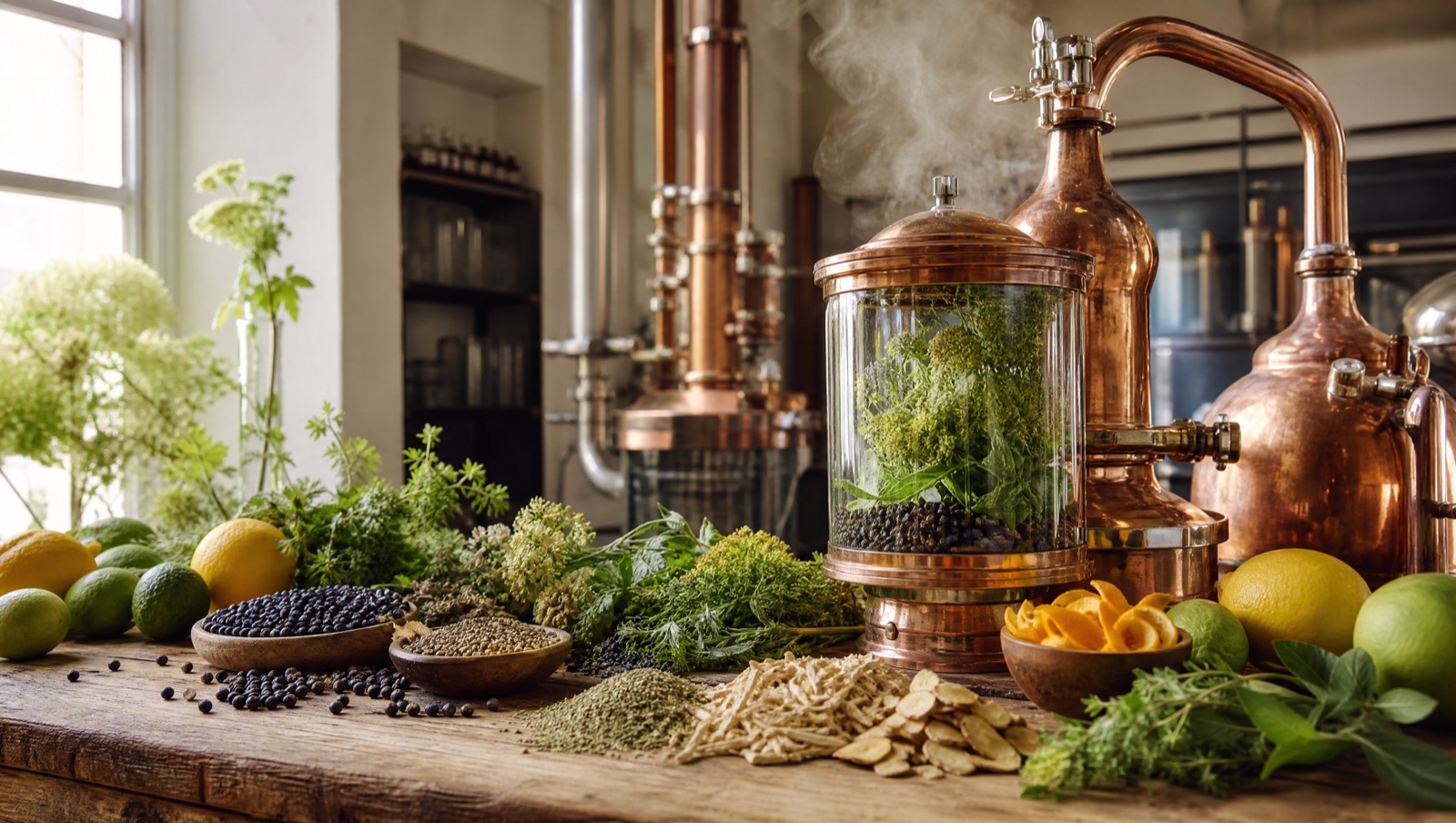
A typical American gin distillery tour runs roughly 45 minutes to an hour and walks you through the full process, from the base spirit and the botanical bill to the copper still and the bottling line. Because so many of these producers are grain-to-glass operations, guides tend to explain how the neutral spirit is made before the botanicals ever come into play, and what actually distinguishes gin from vodka. Expect plenty of hands-on detail: smelling jars of juniper, coriander, citrus peel and the foraged local botanicals that give each brand its signature, whether that is Douglas fir, bay laurel, sage or regional herbs.
Most tours conclude with a guided tasting, and many distilleries here make far more than gin, so you may sample whiskey, vodka or rum alongside it. Some, such as Rock Town, pour a generous flight of several spirits at the end; others, like Cutwater, build flights into a larger tasting-room and kitchen experience where you can stay on for cocktails and food. Cocktail-making classes are an increasingly common add-on if you want to go deeper.
Planning your visit
American distilleries vary widely in how they handle visitors, so it pays to check each one before you go. Smaller producers, including St. George in Alameda, run tours and tastings by appointment on set days, often Friday to Sunday, with a bottle shop open for walk-in purchases. Larger destinations such as Cutwater in San Diego's Miramar district run tours on a regular hourly schedule and welcome walk-ins for standard tastings, though larger groups should reserve ahead. As a rule, booking online a few days in advance is the safest approach, particularly at weekends.
Many of these distilleries cluster within easy reach of major cities, which makes them ideal half-day outings. St. George sits just across the bay from San Francisco; Rock Town anchors Little Rock's walkable SoMa district; and several California producers are dotted around Los Angeles, San Diego and Sonoma. If gin is your focus, it is worth combining two or three nearby distilleries into a single day.
Frequently asked
- Do I need to book a distillery tour in advance?
- It depends on the producer. Smaller distilleries such as St. George Spirits run tours and tastings by appointment on specific days, so booking ahead is essential. Larger venues like Cutwater operate regular hourly tours and accept walk-ins for standard tastings, though they recommend reservations for bigger groups. As a general rule, reserve online a few days out, especially for weekend visits.
- How much does a gin distillery tour usually cost?
- Prices vary by distillery and region, but a guided tour with a tasting commonly falls in the region of fifteen to thirty US dollars per person, as seen at producers like Rock Town. Specialised experiences such as cocktail classes or premium reserve tastings typically cost more. Always check the individual distillery's website, as fees and what they include change over time.
- How many distilleries can I realistically visit in one day?
- Two or three is a comfortable, enjoyable maximum. Tours run roughly 45 minutes to an hour, and you will want time between them to travel, eat and let tastings settle, particularly if you are driving. Clusters around San Diego, Los Angeles, the Bay Area and Little Rock make it easy to pair nearby distilleries without spending the whole day in the car.
- Can I drive between distilleries if I'm tasting gin?
- You should plan around the tastings rather than the other way round. Tasting pours are small, but they add up quickly across multiple stops, and US drink-driving limits are strict. The safest approach is to nominate a designated driver, use a taxi or rideshare, or join an organised tour. Many distilleries are also happy to set aside samples for you to take home if you would rather not taste on site.
- Are these tours suitable for families and children?
- Policies differ. Some distilleries with full restaurants and tasting rooms, such as Cutwater, can accommodate families during meal service, while production tours and tastings are generally aimed at adults of legal drinking age, which is 21 in the United States. If you are travelling with children, contact the distillery beforehand to confirm whether minors are permitted on the tour and in the tasting area.
- What makes American gin different from British gin?
- American distillers pioneered the New Western or New American style, where juniper must be present but no longer has to dominate. Instead, makers build their gins around local botanicals, from Douglas fir and bay laurel in California to regional herbs and citrus elsewhere, aiming to capture a sense of place. The result is a far more varied and experimental category than the classic juniper-forward London style.
- Are the distilleries accessible for visitors with mobility needs?
- Many tasting rooms are modern and step-free, but working still houses can include narrow walkways, stairs or raised platforms that are harder to navigate. Accessibility varies considerably between a large purpose-built venue and a compact craft operation, so it is best to call ahead and ask about wheelchair access, seating and whether the production floor portion of the tour can be adapted for your needs.