
Distillery tours
Distillery Tours in USA
Plan a distillery tour in USA: 400 distilleries to visit, with tastings and experiences you can book directly. Expect Craft Spirits, Gin, Bourbon and more. Highlights include The Depot Craft Brewery Distillery, Mythology Distillery, Mason Dixon Distillery.
400distilleries





Ranger Creek Brewing & Distilling
Brewery and whiskey distillery under one roof


Ironclad Distillery Co.
Small-batch bourbon in a 1913 James River warehouse

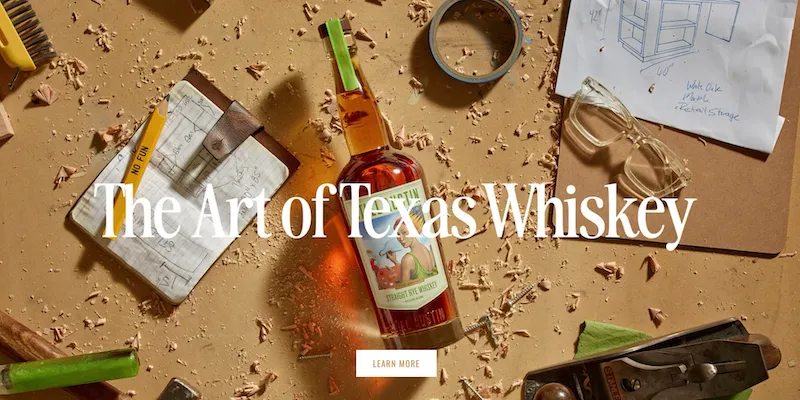
Still Austin Whiskey Co.
Grain-to-glass bourbon, rye and gin from Texas grains
KOVAL Distillery
Chicago's first post-Prohibition distillery, organic and small
Restless Spirits Distilling Co.
Family-run Irish-style whiskey in Kansas City

Du Nord Social Spirits
Minneapolis gin, vodka and bourbon with a social heart

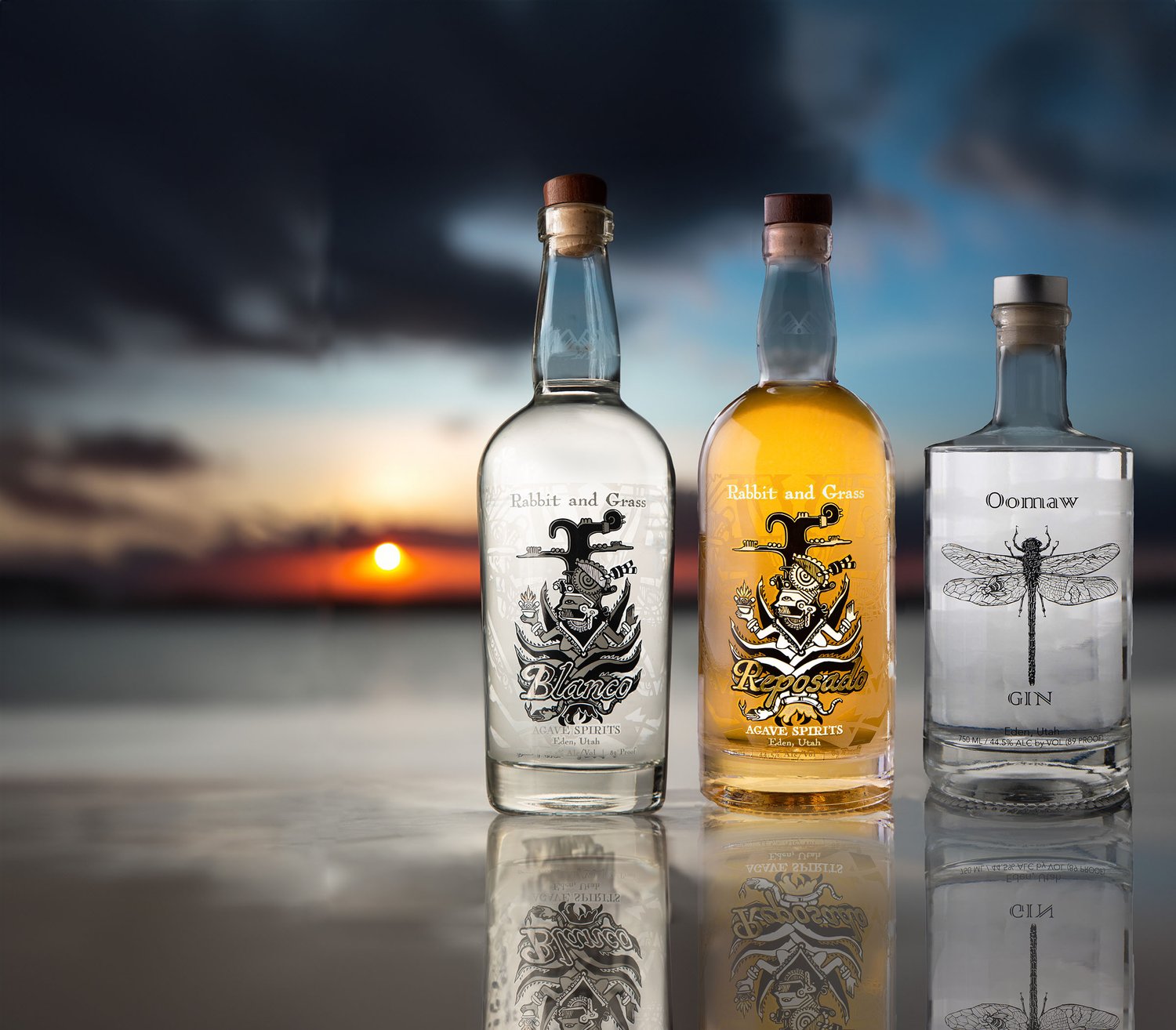


Kentucky Artisan Distillery
Independent craft distillery, home of Jefferson's

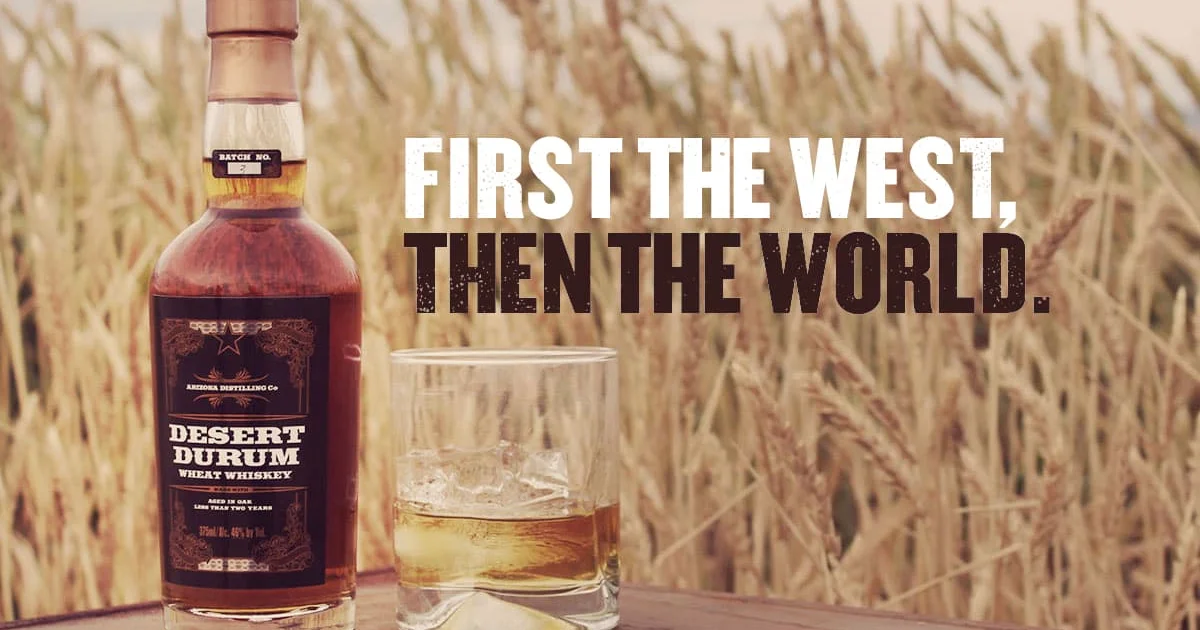
Sons of Liberty Spirits Co.
American single malt with live music and food trucks


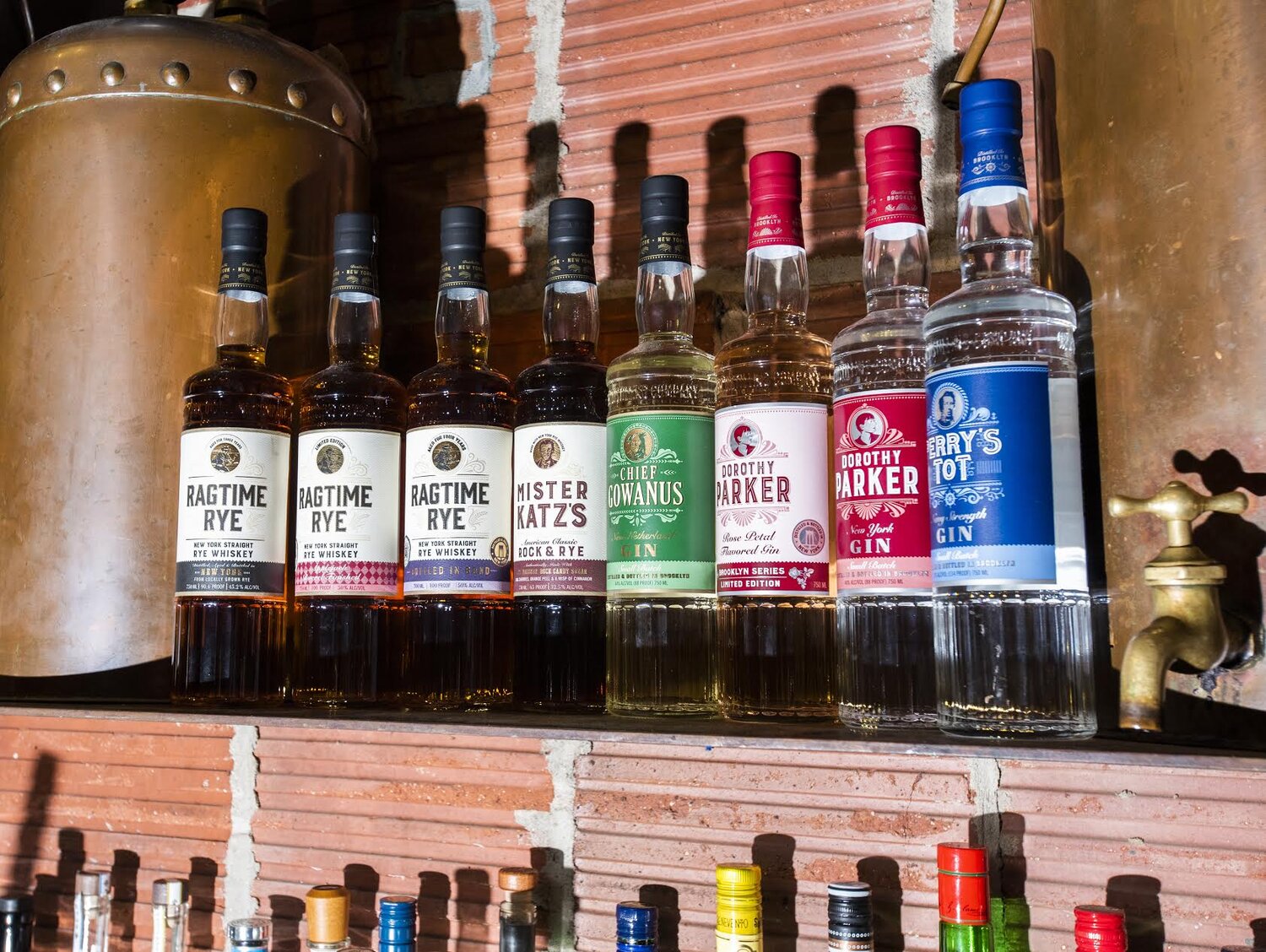
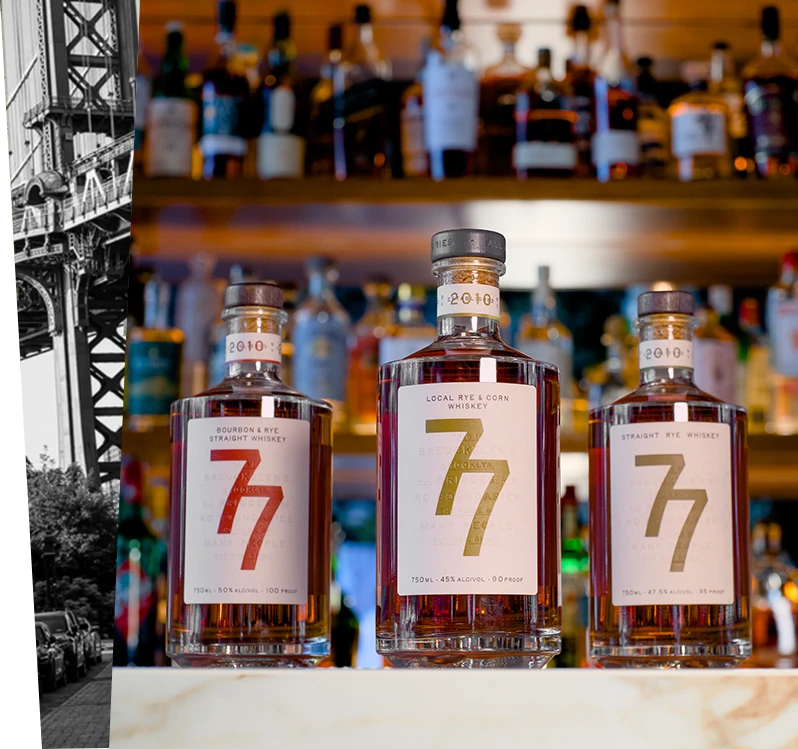
New York Distilling Company
Brooklyn rye distillery with the Shanty bar


Southern Distilling Company
One of the Southeast's largest craft distilleries
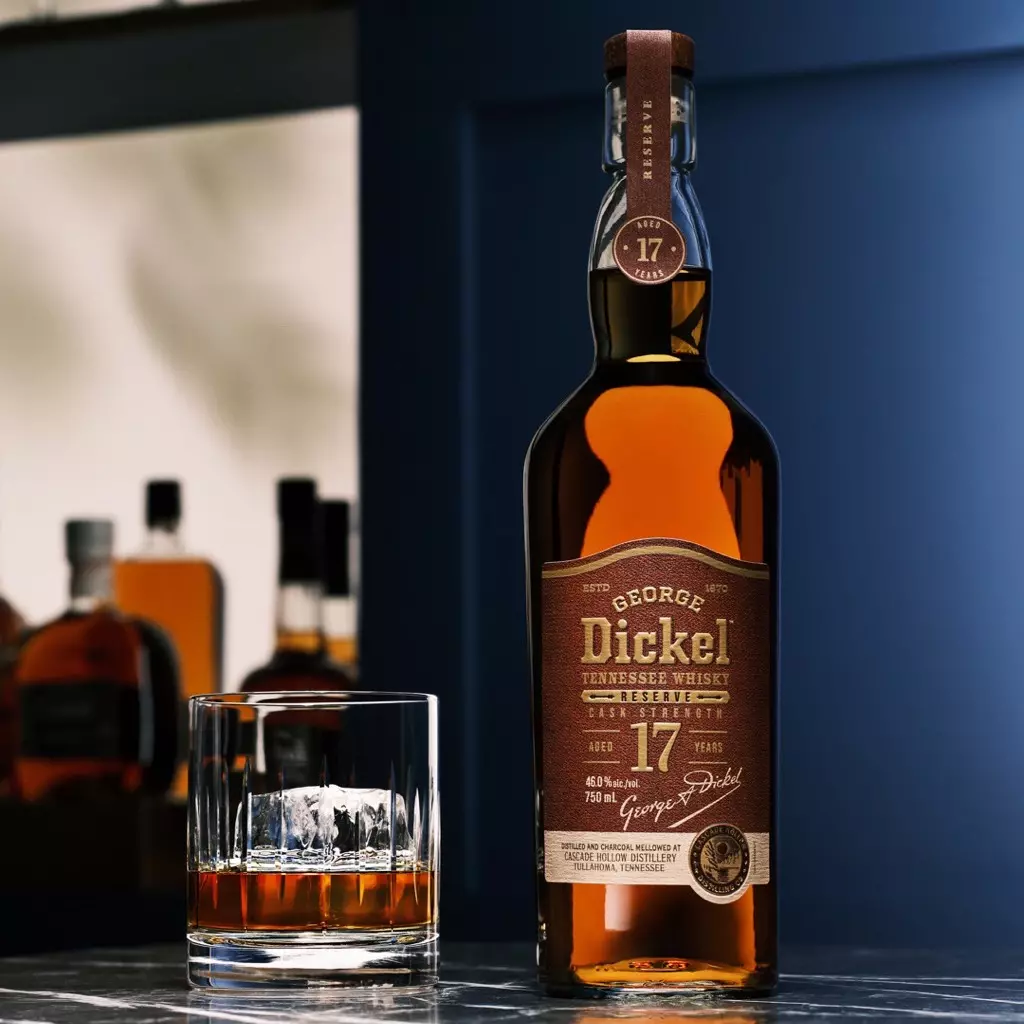
George Dickel (Cascade Hollow Distilling Co.)
Tennessee whisky in scenic Cascade Hollow





About distillery tours in USA
The United States is in the middle of a craft distilling renaissance. Where there were only a few hundred small distilleries a little over a decade ago, there are now around three thousand spread across all fifty states, each shaped by local grain, climate and a stubborn streak of independence. Prohibition flattened a tradition that reached back to colonial farmers making whiskey, rum and brandy, and it took until the 1990s and 2000s for the craft revival to gather pace. Today distilling is no longer the preserve of a handful of bourbon counties; it is a genuinely national pursuit, from Alabama and Arkansas to the deserts of Arizona and the cool fog of the San Francisco Bay.
That geographic sweep is exactly what makes touring American distilleries so rewarding. You might spend a morning at St. George Spirits in Alameda, a pioneering producer of brandy, gin and absinthe, then a different trip entirely tasting mesquite-smoked whiskey at Whiskey Del Bac (Hamilton Distillers) in Tucson. In between sit places like Rock Town Distillery in Little Rock, Alabama's Dread River and John Emerald, and Arizona's SanTan Spirits and Arizona Distilling Co. Most welcome visitors with a guided walk through mash, still and barrel room followed by a seated tasting flight, and many pour spirits you simply cannot buy outside the door.
What to expect on a tour
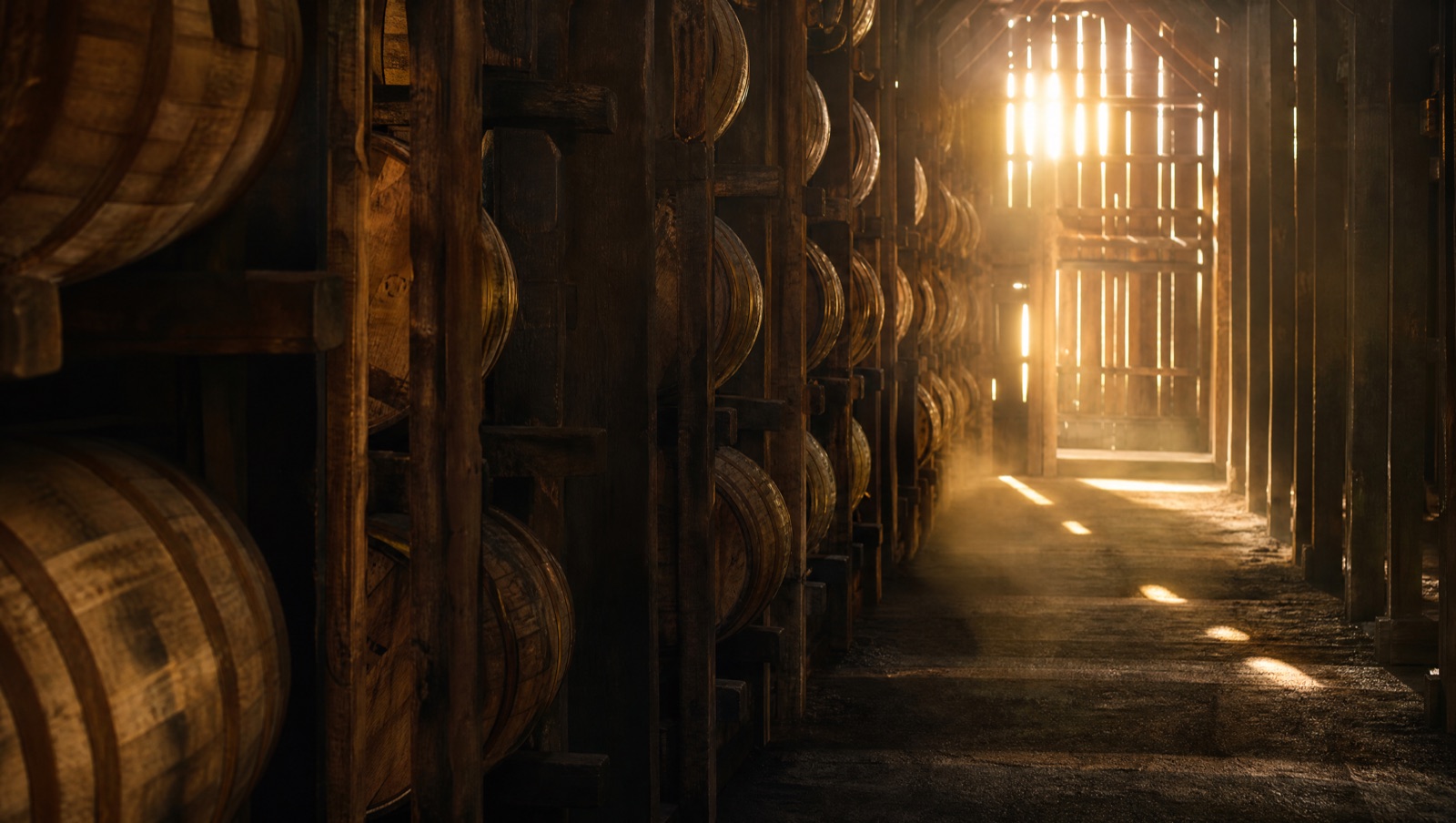
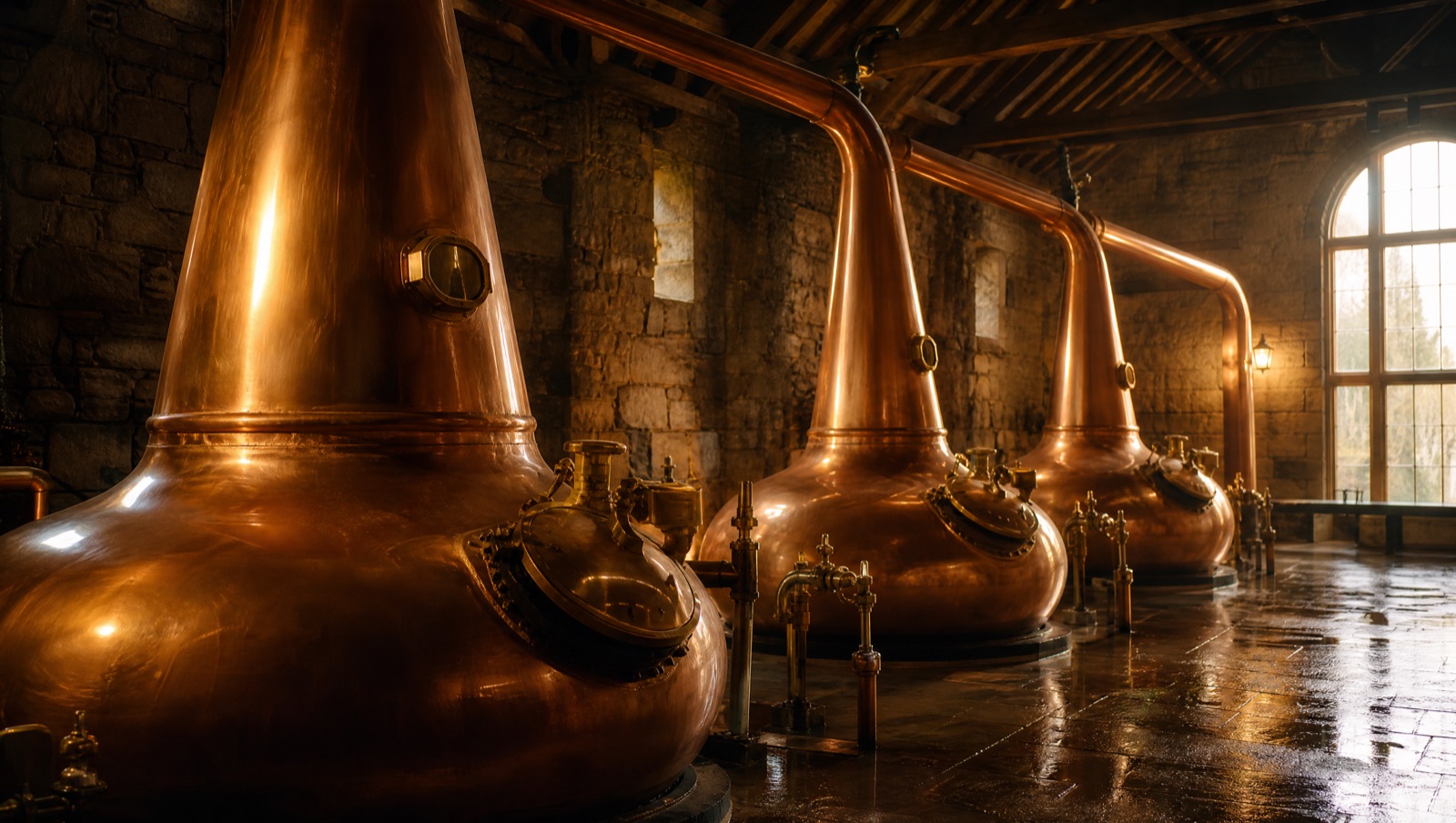
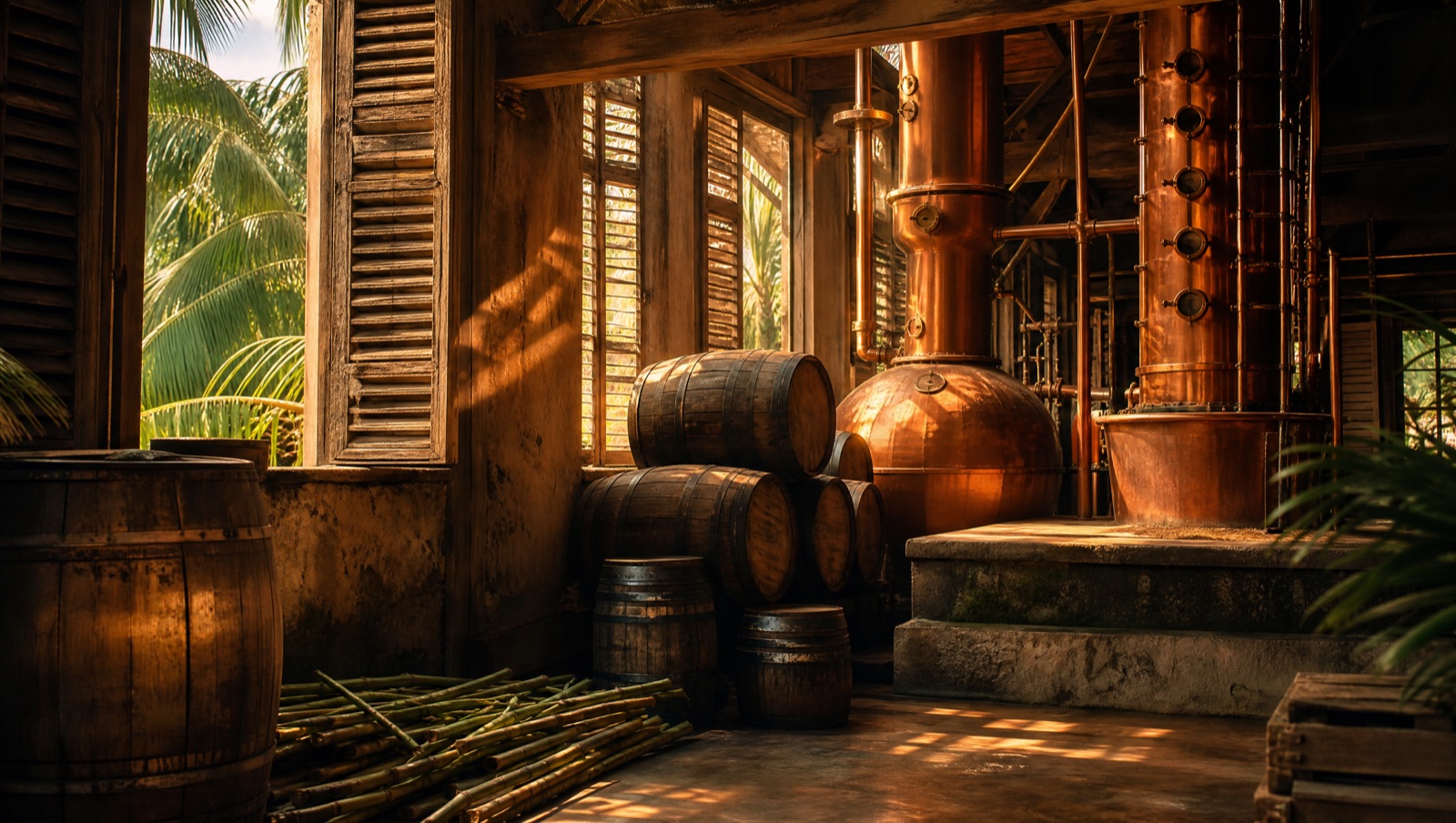
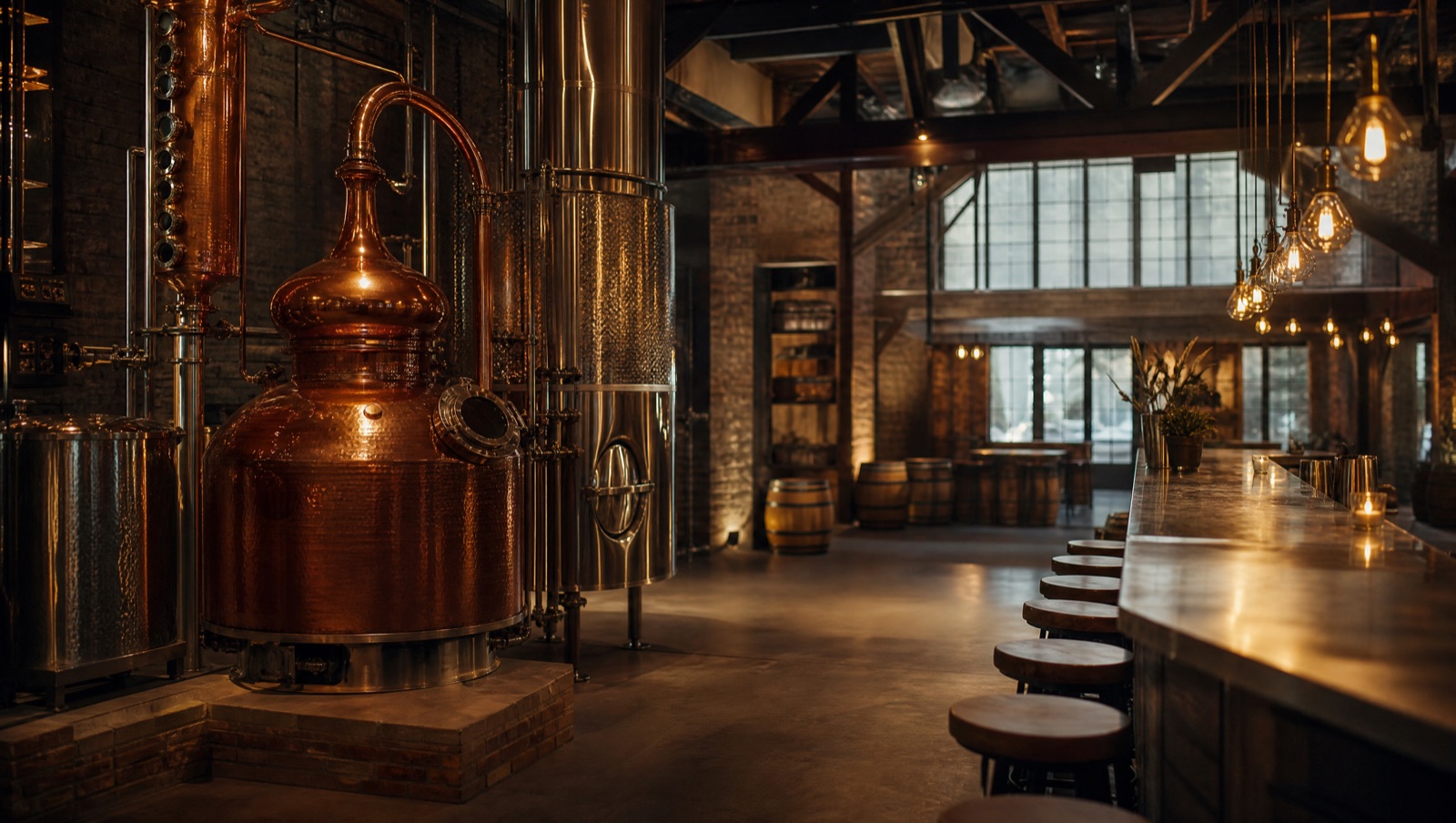
A typical craft distillery tour runs from forty-five minutes to a little over an hour, led by a distiller, brand ambassador or knowledgeable guide. You will usually follow the spirit from raw ingredient to bottle: the milled grain or fruit, the fermenters, the gleaming copper or steel stills, and the racks of barrels quietly ageing in the warehouse. Because these are working production sites, much of the appeal is seeing small teams hand-fill and label bottles, and hearing the choices behind each recipe.
Nearly every tour ends with a tasting. Expect a flight of several spirits, often four to six pours, which might range across whiskey, gin, vodka, rum and brandy depending on the house. Staff are generous with knowledge and happy to talk grain bills, ageing and local water. Many distilleries also run a tasting room or cocktail bar where you can settle in afterwards, and most have a shop selling limited or single-barrel releases you will not find on supermarket shelves.
Planning your visit
Booking ahead is wise, especially for weekend slots and at the better-known names, some of which sell out days in advance; smaller producers may also be open by appointment only or keep limited weekday hours. A quick check of the distillery's own website or a phone call will confirm tour times, whether tastings are included, and any minimum-age rules. Tour prices vary widely, commonly from around five to fifteen dollars for a basic tour-and-tasting up to thirty dollars or more for longer or premium experiences, with private and behind-the-scenes tours running higher.
Given the distances involved across the USA, plan around one region at a time rather than trying to cross states. Two to three distilleries in a day is a comfortable, enjoyable pace; more than that and the tastings blur together. Wear closed-toe shoes, as production floors often require them, and build in time to eat, since several distilleries either have a kitchen on site or sit near good food.
Getting there & around
How you reach a distillery depends entirely on where it is. Urban and suburban producers such as St. George Spirits near Oakland, Blinking Owl in Santa Ana, or the cluster around Phoenix and Tucson are reachable by car and sometimes by rideshare or public transit, while rural producers in Arkansas or Alabama will almost always need a vehicle.
Because tastings involve real alcohol, never plan to drive yourself if you intend to sample fully. The safest options are a designated driver, a rideshare, or a booked distillery-trail tour with transport included. Spacing out pours, drinking water, and using the spit buckets distilleries provide all help you stay within the limit. If you are combining several stops in a day, a hired driver or small-group tour is the most relaxed way to enjoy the spirits responsibly.
Explore more
Frequently asked
- Do I need to book a distillery tour in advance?
- For popular distilleries and weekend visits, yes, book ahead, as tours can fill up days in advance. Smaller producers may be open only at set times or by appointment, so it is always worth checking the distillery's website or calling first. Some places do welcome walk-ins for the tasting room even when guided tours are reserved.
- How much does a distillery tour cost?
- Prices vary a great deal across the country. A basic guided tour with a tasting often runs from around five to fifteen dollars, while longer or premium experiences may be twenty to thirty dollars or more. Private and behind-the-scenes tours cost the most. Many fees include the tasting flight, and some are waived if you buy a bottle, but confirm what is included when you book.
- How many distilleries can I realistically visit in a day?
- Two to three is a sensible, enjoyable maximum. Each tour with a tasting takes roughly an hour or more, and the tastings add up quickly. Visiting more tends to dull your palate and your enjoyment, and raises the question of safe transport. Spacing stops out, eating between them and arranging a driver makes for a far better day.
- Can I drive between distilleries if I am tasting?
- You should not drive if you plan to drink the tastings. Even modest flights can put you over the legal limit. Use a designated driver, a rideshare, or a booked tour with transport included. Distilleries provide spit buckets and water, and tasting pours are small, but the safest approach is always to separate driving from drinking entirely.
- Are children and families welcome on distillery tours?
- Policies differ by distillery. Some welcome families and minors on the production tour while only adults of legal drinking age (21 in the USA) may taste; others restrict entry to over-21s entirely for insurance reasons. If you are travelling with children, check the individual distillery's age policy before you go to avoid disappointment at the door.
- What spirits will I get to taste?
- It depends on the house. Many American craft distilleries make several categories, so a flight might include whiskey or bourbon alongside gin, vodka, rum or brandy. A few have a clear specialism, such as St. George's brandies, gin and absinthe, or Whiskey Del Bac's mesquite-smoked whiskey. Tasting rooms often pour limited or single-barrel releases you cannot buy elsewhere.
- Are distillery tours accessible for visitors with mobility needs?
- Accessibility varies by building, as some distilleries occupy older industrial spaces with stairs or uneven production floors. Many newer or larger facilities are step-free with accessible tasting rooms and restrooms. The most reliable way to plan is to contact the distillery directly before your visit to ask about ramps, seating during the tour, and parking.
- When is the best time to visit?
- Distilleries welcome visitors year-round, and indoor production means weather rarely matters for the tour itself. Weekday and earlier slots are usually quieter than weekend afternoons. If you are combining a distillery trip with wider travel, consider the regional climate, as Arizona's deserts are far more comfortable outside the peak of summer heat, while the Bay Area stays mild for most of the year.