
Craft Spirits · USA
Craft Spirits Distilleries in USA
Tour 329 craft spirits distilleries in USA. Each offers visits, tastings or experiences you can book directly — including The Depot Craft Brewery Distillery, Mythology Distillery, Boot Hill Distillery.
329distilleries



Ranger Creek Brewing & Distilling
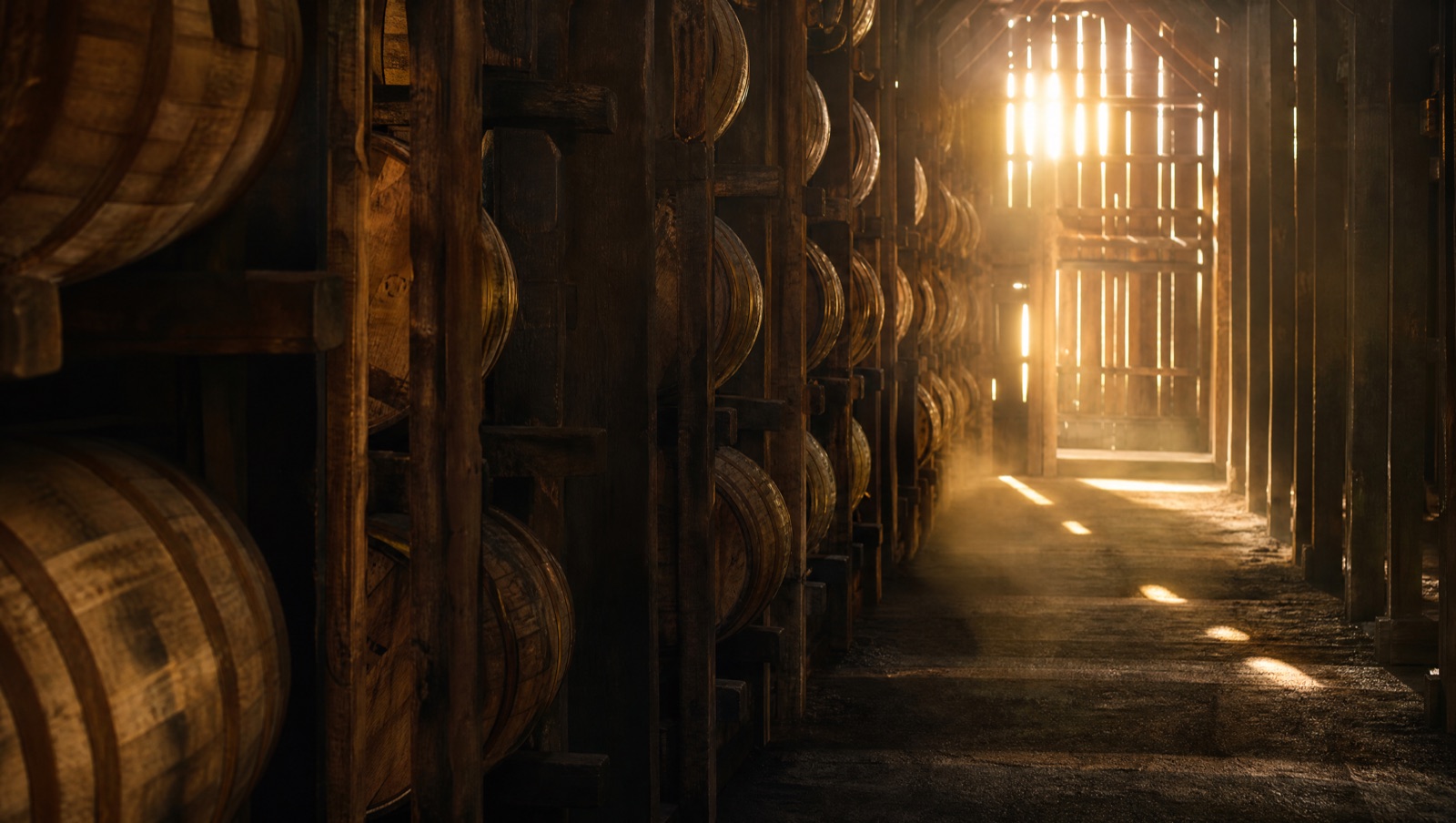
Brewery and whiskey distillery under one roof


KOVAL Distillery
Chicago's first post-Prohibition distillery, organic and small
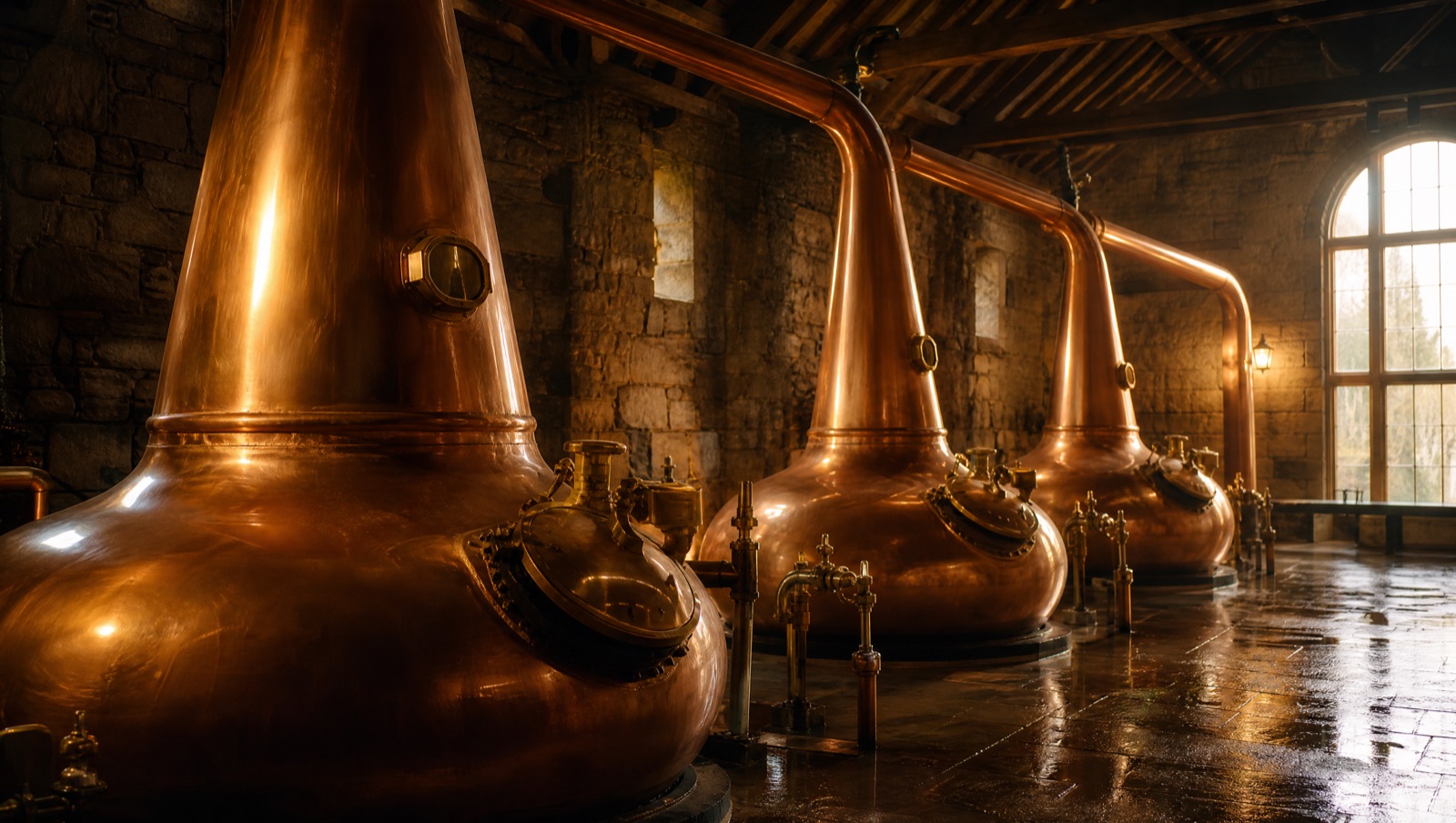
Restless Spirits Distilling Co.
Family-run Irish-style whiskey in Kansas City

Du Nord Social Spirits
Minneapolis gin, vodka and bourbon with a social heart

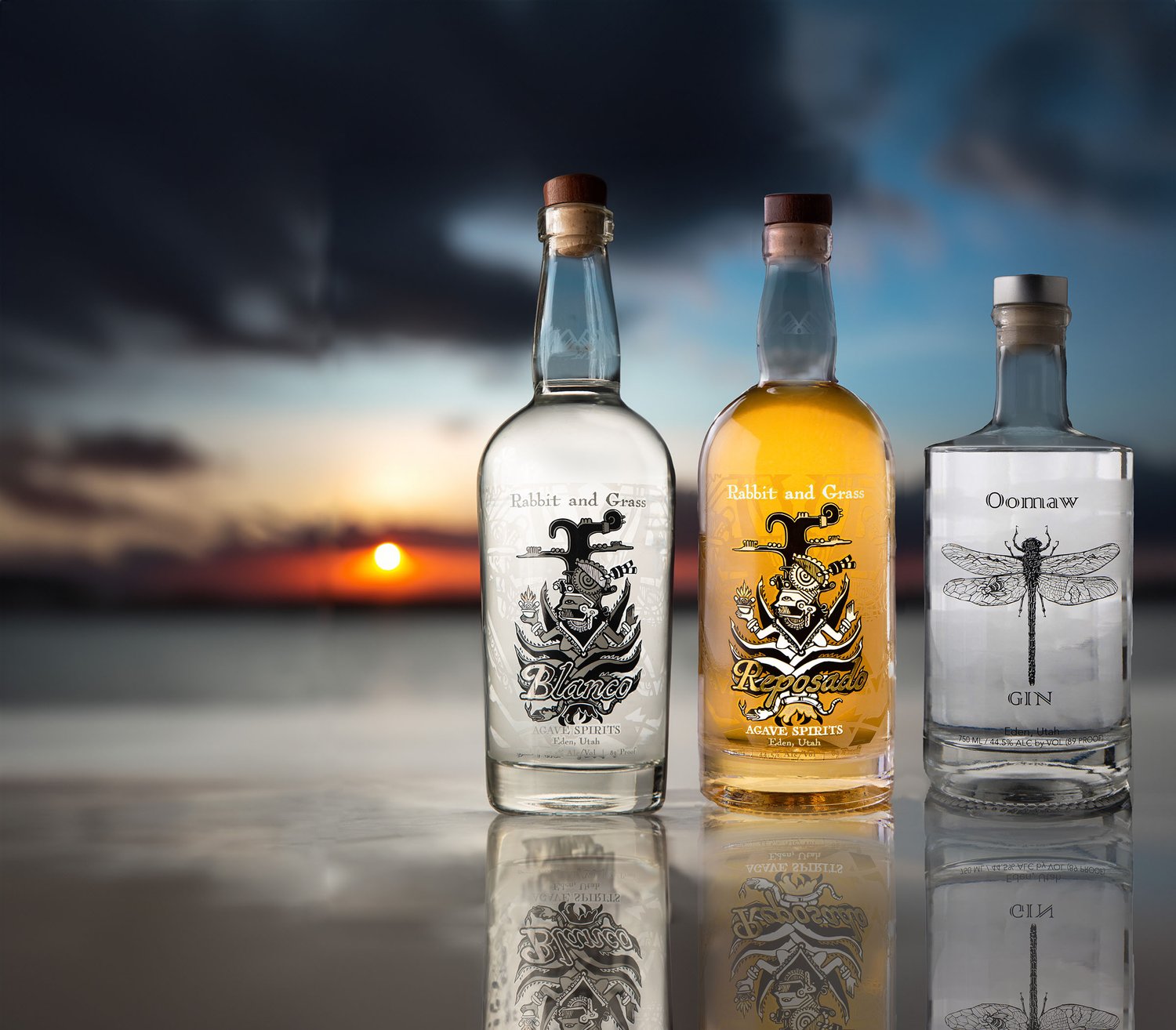


Kentucky Artisan Distillery
Independent craft distillery, home of Jefferson's

Sons of Liberty Spirits Co.
American single malt with live music and food trucks


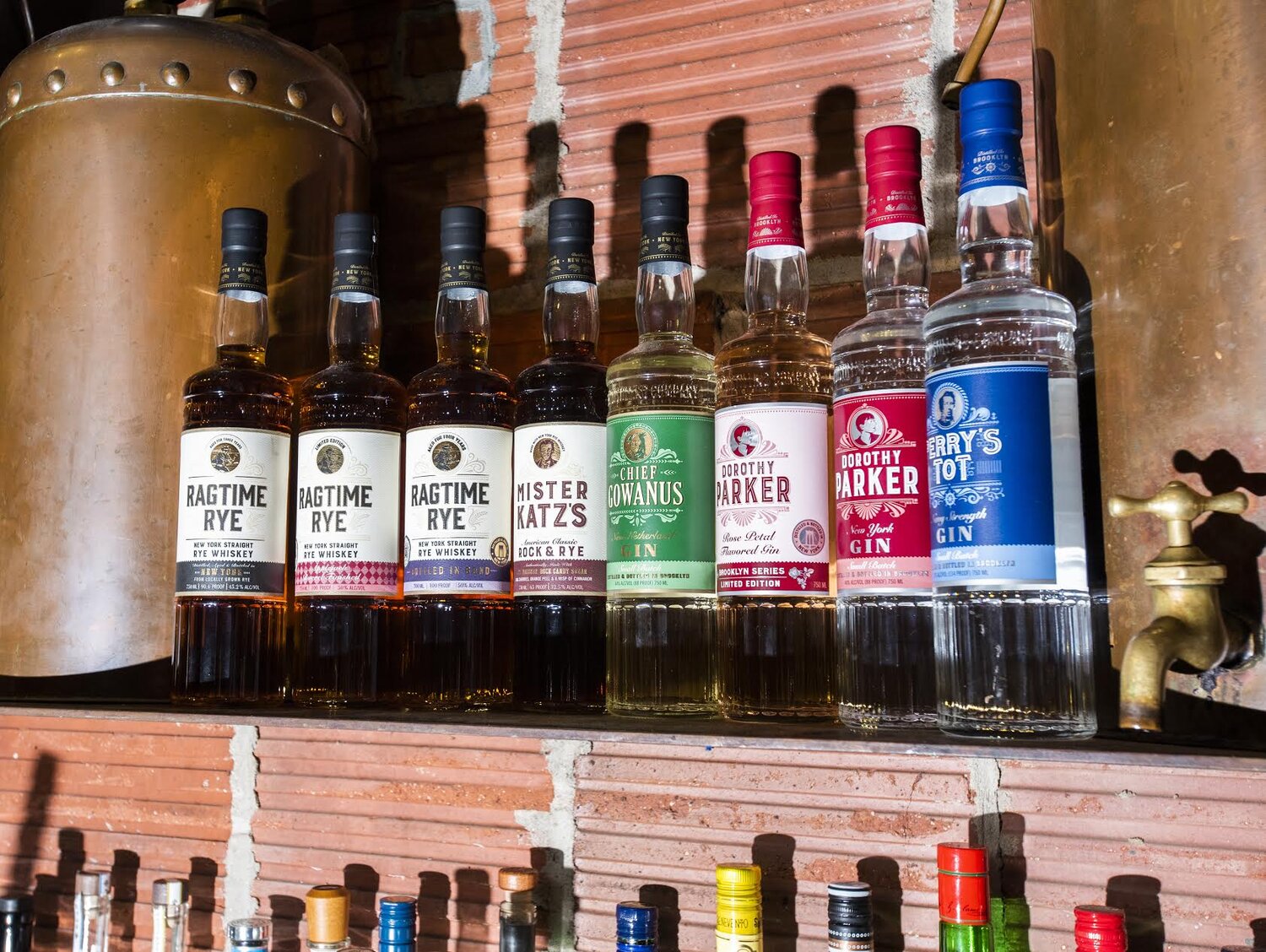
New York Distilling Company
Brooklyn rye distillery with the Shanty bar


Southern Distilling Company
One of the Southeast's largest craft distilleries
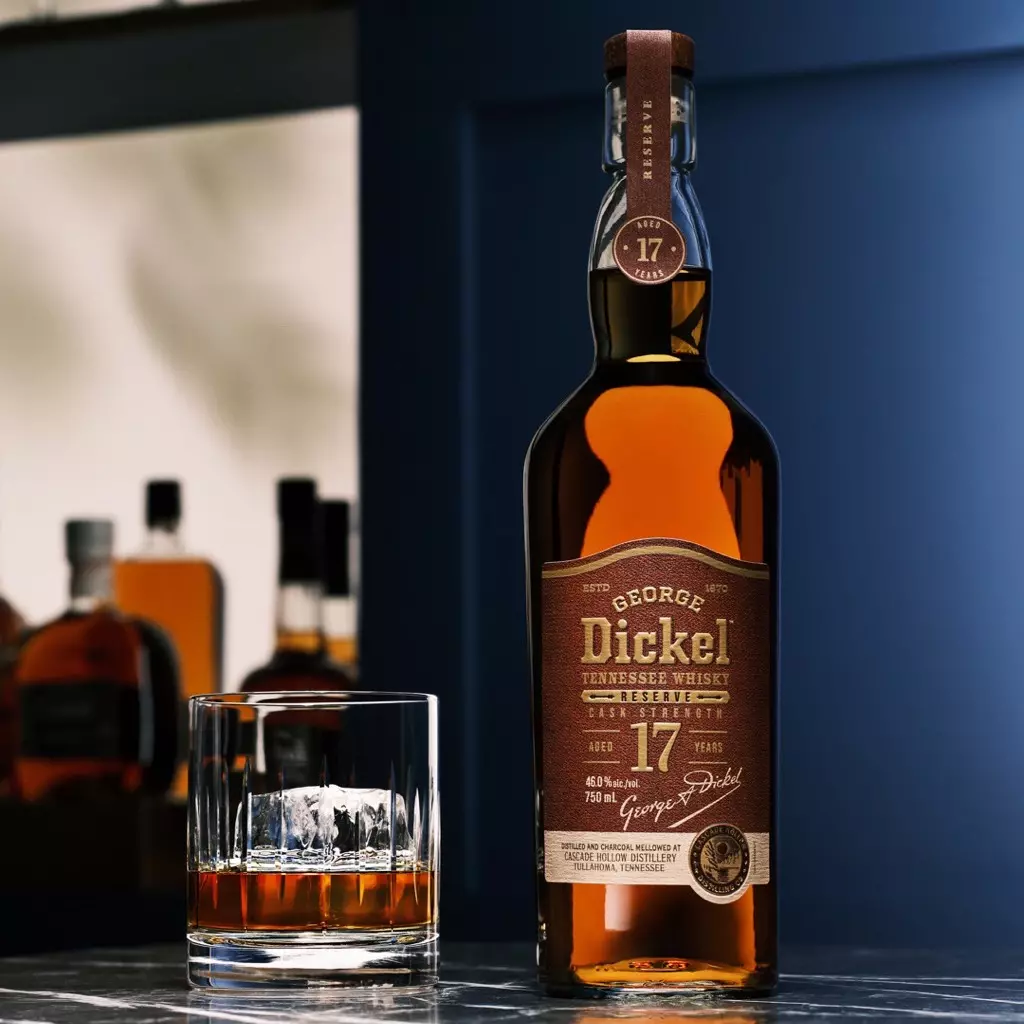
George Dickel (Cascade Hollow Distilling Co.)
Tennessee whisky in scenic Cascade Hollow





Sugarlands Distilling Company
Top-rated Gatlinburg moonshine and rye tastings



Wollersheim Winery, Distillery & Bistro
Family winery, distillery and bistro on the river

About craft spirits distilleries in USA
America's craft spirits movement is one of the great drinks stories of the past two decades. From a few dozen pioneering producers in the early 2000s, the country now counts well over two thousand independent distilleries spread across all fifty states, inspired in equal measure by the craft beer boom and a hunger for spirits made with provenance and personality. These are largely small, founder-run operations turning local grain, agave, cane, fruit and botanicals into whiskey, gin, vodka, rum, brandy and agave spirits, and most welcome visitors directly to where the stills run.
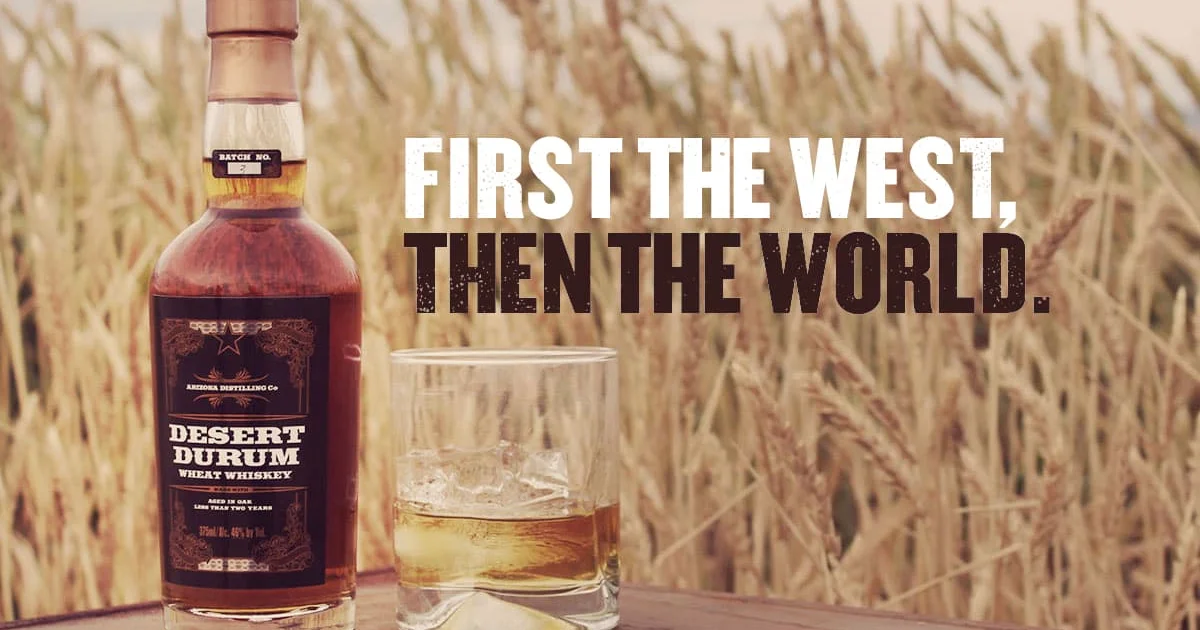
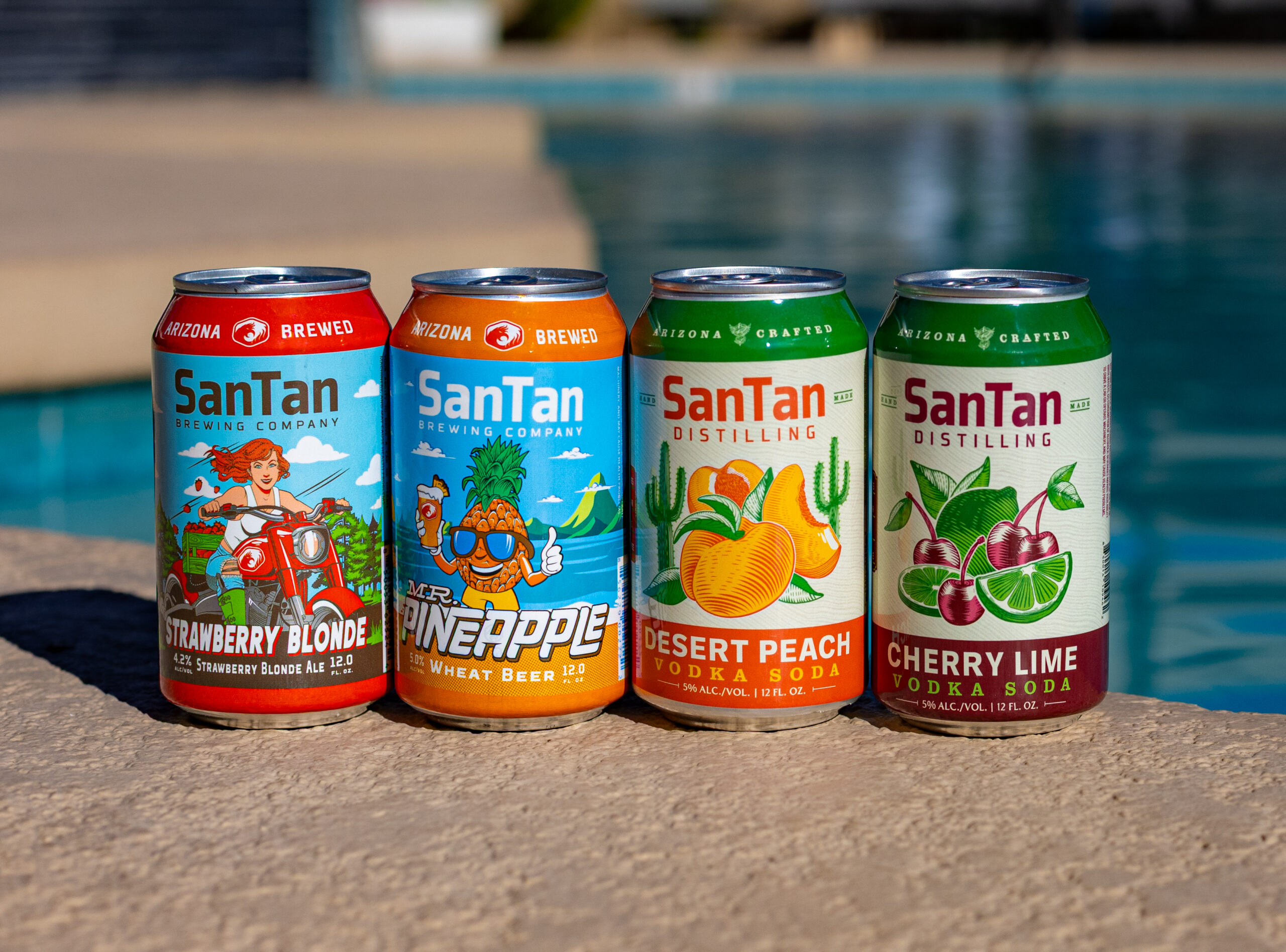
The appeal of touring is precisely this proximity. You are rarely far from the mash tun, the still and the person who built the recipe, whether that is the mesquite-smoked single malts of Whiskey Del Bac (Hamilton Distillers) in Tucson, the organic, farm-rooted bottlings of Greenbar Distillery in Los Angeles, or the brandy and whisky lineage at Charbay Winery & Distillery in Sonoma. Across this list you will also find names such as Arizona Distilling Co., Rock Town Distillery, SanTan Spirits, Griffo Distillery and Blinking Owl Distillery, each reflecting its own region.
Tours typically pair a walk through production with a guided tasting flight, and the emphasis is firmly on flavour, place and craft rather than scale.
What to expect on a tour
A craft distillery visit is an intimate affair compared with the big-name spirits trail. Most tours run from roughly thirty minutes to an hour and combine a walk through the working space with a tasting at the end. You will usually see the raw ingredients, the mash or fermentation stage, the still itself and the maturation or bottling area, with a maker or trained guide explaining the choices behind each spirit. Because these are small teams, the person pouring your flight is often the one who distilled it.
Formats vary widely. Some operations are compact industrial-district stills offering a quick walk-through with the focus on the pour, while others have invested in full tasting rooms, cocktail bars and patios. Expect a flight of several small samples, the option to buy bottles where state law allows, and frequently a craft cocktail made on site. It is worth checking each distillery's own website for whether tours are walk-in or by appointment, as availability can be limited.
Planning your visit
The single most useful thing to know is that distillery laws differ enormously from state to state, a legacy of post-Prohibition regulation. In some states distilleries can pour generous paid tastings, sell bottles to take home and serve full cocktails on site; in others samples must be free and small, bottle sales are restricted, or cocktails are not permitted at all. A handful of states still do not allow on-site tastings. Always confirm what a given distillery can offer before you plan a tasting-led day out.
Craft distilleries also tend to cluster, particularly in California, Texas, Washington, New York and Pennsylvania, which between them account for a large share of the country's producers. That makes it realistic to build a small self-guided trail around a city or wine region. Book ahead for weekends, check minimum ages for the tasting room, and be clear about who is driving.
Getting there & around
Many craft distilleries sit in city industrial quarters, downtown blocks or agricultural areas near wine country, so access depends heavily on the region. Urban distilleries in places such as Los Angeles, Phoenix or Tempe are often reachable by rideshare or public transport, which is the sensible choice if you intend to taste. Rural and farm distilleries usually require a car.
If you are planning to visit more than one in a day, treat transport as part of the plan rather than an afterthought. A designated driver, a hired car-and-driver, or a small-group tour lets everyone sample freely. Where distilleries are grouped within a single neighbourhood or valley, walking or cycling between two or three nearby producers can make for a relaxed afternoon.
Frequently asked
- Do I need to book a distillery tour in advance?
- It depends on the distillery. Larger operations with dedicated tasting rooms often take walk-ins, especially mid-week, while smaller working stills run tours only at set times or by appointment. Booking ahead is strongly advised for weekends, holidays and any group of more than a few people. Check each distillery's own website, as policies and hours vary widely.
- How much do craft distillery tours and tastings cost?
- Pricing varies by state and venue. Some tours are free, while guided tours with a tasting flight commonly run in the region of roughly $10 to $25 per person, and more elaborate experiences cost more. In several states distilleries can only offer free samples by law. Expect any tasting fee to be separate from bottle purchases, and confirm current pricing directly with the distillery.
- How many distilleries can I realistically visit in one day?
- Two to four is a comfortable range, depending on how spread out they are and how in-depth each tour is. Allow an hour or so per visit plus travel time. Distilleries that cluster in one city neighbourhood or wine-country valley make it easier to fit in more, while rural producers may mean only one or two with the driving in between.
- Can I drink at the tasting and still drive?
- You should not plan to drive if you intend to taste. A guided flight can add up quickly, and US drink-driving limits are strict. The safest approach is a designated driver, a rideshare, or a small-group or driver-led tour so everyone can sample freely. Some distilleries are walkable from city centres or reachable by public transport, which is ideal for a tasting day.
- Are children and families welcome?
- This varies by state and by distillery. Some allow minors into the tasting room or on tours when accompanied by an adult, while others restrict tasting areas to those of legal drinking age (21 and over in the US). If you are visiting as a family, contact the distillery beforehand to confirm their age policy and whether children can join the tour itself.
- Can I buy bottles to take home at the distillery?
- Often, but not always. State law dictates whether a distillery may sell bottles directly to visitors and in what quantity, and a few states require you to buy from a separate liquor store instead. Direct-to-consumer shipping rules also differ by state. If taking home a bottle is important to you, check what the distillery is permitted to sell before your visit.
- Are craft distilleries accessible for visitors with mobility needs?
- Accessibility differs considerably. Purpose-built tasting rooms are more likely to offer step-free access, while tours of older or multi-level production buildings may involve stairs, narrow walkways or uneven floors. Many distilleries are happy to adapt or offer a tasting without the full production walk-through. It is best to call ahead and explain your needs so they can advise on the most comfortable option.