
Rum · USA
Rum Distilleries in USA
Tour 75 rum distilleries in USA. Each offers visits, tastings or experiences you can book directly — including Mason Dixon Distillery, Spirit of Texas, Cutwater Spirits.
75distilleries










Hemingway Rum Company (Papa's Pilar)
Papa's Pilar rum on the streets of Key West



Richland Rum (Richland Distilling Company)
Estate-grown sugarcane rum from copper pots






Berkshire Mountain Distillers
Berkshire gin and rum, sensory tours

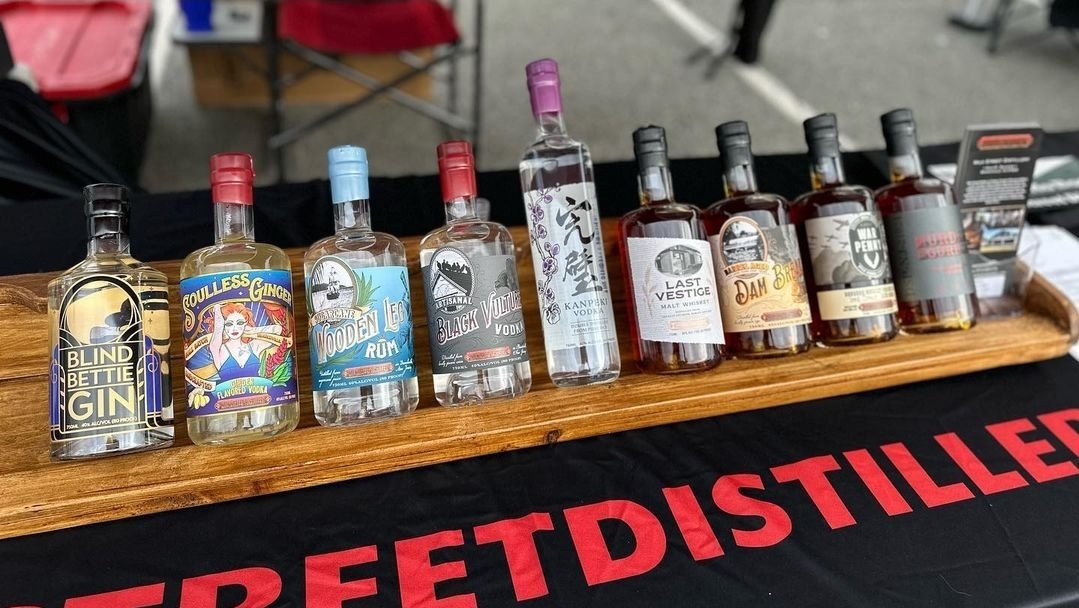
About rum distilleries in USA
Rum was once America's spirit. In the 1700s, New England's ports hummed with distilleries turning Caribbean molasses into a drier, smokier rum that fuelled colonial trade long before bourbon took hold. That heritage faded as whiskey rose and Prohibition swept the rest away, but the craft-spirits boom of the past two decades has brought rum roaring back, this time from coast to coast rather than just the Atlantic seaboard.
What makes the modern American scene so rewarding to explore is its sheer variety. With no centuries-old rulebook to follow, distillers experiment freely: some ferment Florida sugarcane within sight of the fields, others ship in molasses or work with high-altitude water in the Rockies. You can taste agricole-leaning cane spirits in California, single-pot-still rums in Alabama from the likes of Dread River Distilling Co. and John Emerald Distilling Company, and award-winning craft rums in Sarasota from Drum Circle Distilling, makers of Siesta Key Rum.
Tours range from free pour-and-learn sessions to in-depth tastings flighting white, gold, aged and spiced expressions side by side. Producers such as Montanya Distillers in the Colorado mountains, San Diego's Cutwater Spirits and Florida's Copper Bottom Craft Distillery each offer a different window onto how American rum is made today.
What to expect on a tour
Because American rum producers are overwhelmingly small, independent operations, visits tend to be hands-on and personal rather than polished theme-park affairs. A typical tour walks you through the full arc of production: the raw material (molasses, raw cane sugar or fresh-pressed sugarcane juice), fermentation, distillation in pot or hybrid pot-column stills, and barrel ageing. Many distilleries run their bottling line and tasting room under the same roof, so you often see the whole process in one walk, frequently led by a founder or distiller happy to answer detailed questions.
Tastings usually follow the tour and are where the regional character shines through. Expect to compare an unaged white rum against gold and barrel-aged expressions, and very often a spiced rum, which is a particular American strength. Distilleries with on-site cocktail bars, common in Colorado and Florida, will frequently finish the experience with a signature mixed drink so you can see the rum at work. Bottle sales and merchandise are almost always available to take home.
Getting there & around
American rum is geographically scattered, so plan around clusters rather than a single trail. Florida is the densest region: the state grows most of the nation's sugarcane, and distilleries such as Big Cypress, Copper Bottom, Drum Circle (Siesta Key Rum) and Gamblers Bay sit within reasonable drives along the Gulf and central corridors, making a self-drive weekend realistic. California offers another loose grouping from San Diego (Cutwater) up through Los Angeles and into the wine country around Charbay. Colorado concentrates around Denver and the mountain towns, where Montanya, Downslope and Waypoint can be combined with a ski or hiking trip.
A car is essential almost everywhere, as US distilleries are rarely walkable from one another or from public transport. That makes a designated driver, a rideshare, or a small-group tour the sensible choice if you intend to taste. In tourist-heavy spots such as Key West or coastal Florida, organised distillery shuttles and tour operators take the driving worry out of a tasting-focused day.
Frequently asked
- Do I need to book a rum distillery tour in advance?
- It varies. Larger and more tourist-oriented distilleries often run scheduled tours you can simply turn up for, while many smaller craft producers operate by appointment only, sometimes just a few days a week. Checking the distillery's website and reserving ahead is always the safest approach, particularly at weekends and during peak holiday seasons.
- How much do tours and tastings usually cost?
- Prices range widely. Some distilleries, especially in tourist areas, offer free tours with complimentary samples, hoping you'll buy a bottle afterwards. More structured guided tours with a curated tasting flight typically fall in the modest tens-of-dollars range per person, often with the fee waived or discounted against a bottle purchase. Always confirm current pricing directly, as it changes.
- How many distilleries can I realistically visit in a day?
- Two to three is a comfortable, enjoyable maximum if you want to actually taste and talk to the makers. In dense clusters like central Florida or Denver you could squeeze in more, but driving time, tasting fatigue and responsible-drinking limits mean quality beats quantity. Spacing visits with a meal in between keeps the day pleasant and safe.
- Can I drink and drive between distilleries?
- No. US drink-driving laws are strict and enforced, and tastings add up quickly. Use a designated non-drinking driver, book a rideshare, or join an organised distillery tour or shuttle. Many distilleries can also recommend local transport. If you're determined to taste at several stops, plan your transport before you set off, not after.
- Are distillery tours suitable for children and families?
- Policies differ. Some distilleries welcome accompanied minors on tours and into tasting rooms, particularly those with food or a relaxed bar atmosphere, while others restrict entry to those of legal drinking age for insurance or licensing reasons. The legal drinking age in the US is 21, so only adults can taste. Always check the individual distillery's family policy before visiting.
- What kinds of rum will I get to taste?
- American craft rum is diverse. Expect unaged white rums, barrel-aged gold and dark expressions, and spiced rums, which are an American speciality. Depending on the producer you may also find cane-juice (agricole-style) rums, navy-strength bottlings, and limited single-batch releases. The lack of rigid tradition means each distillery's range tends to have its own distinct personality.
- Are the distilleries accessible for visitors with mobility needs?
- Many newer purpose-built facilities and tasting rooms are step-free and accessible, but production areas in older or converted buildings can involve stairs, narrow walkways or uneven floors. Because craft distilleries vary so much, it's worth contacting the venue in advance to confirm wheelchair access, accessible parking and toilet facilities for the specific tour you plan to take.