
Craft Spirits · France
Craft Spirits Distilleries in France
Tour 15 craft spirits distilleries in France. Each offers visits, tastings or experiences you can book directly — including Distillerie G. Miclo, Distillerie de l'Arbre Sec, Distillerie Hepp.
15distilleries



Celtic Whisky Distillerie (Glann ar Mor)
Seaside farm distillery on the Brittany coast


About craft spirits distilleries in France
France is best known the world over for Cognac, Armagnac and wine, yet beneath that famous canopy sits one of Europe's most dynamic and quietly inventive craft-spirits scenes. The country's distilling instincts run deep, from the clear fruit eaux-de-vie of Alsace-Lorraine to the maritime single malts of Brittany, and over the past two decades that heritage has bloomed into gin, whisky, vodka and experimental botanical spirits made by small, mostly family-run producers. Visiting these distilleries is as much about terroir as technique: the orchards of the Vosges, the sea air of the Côtes-d'Armor coast, the grain of a particular valley all leave their mark.
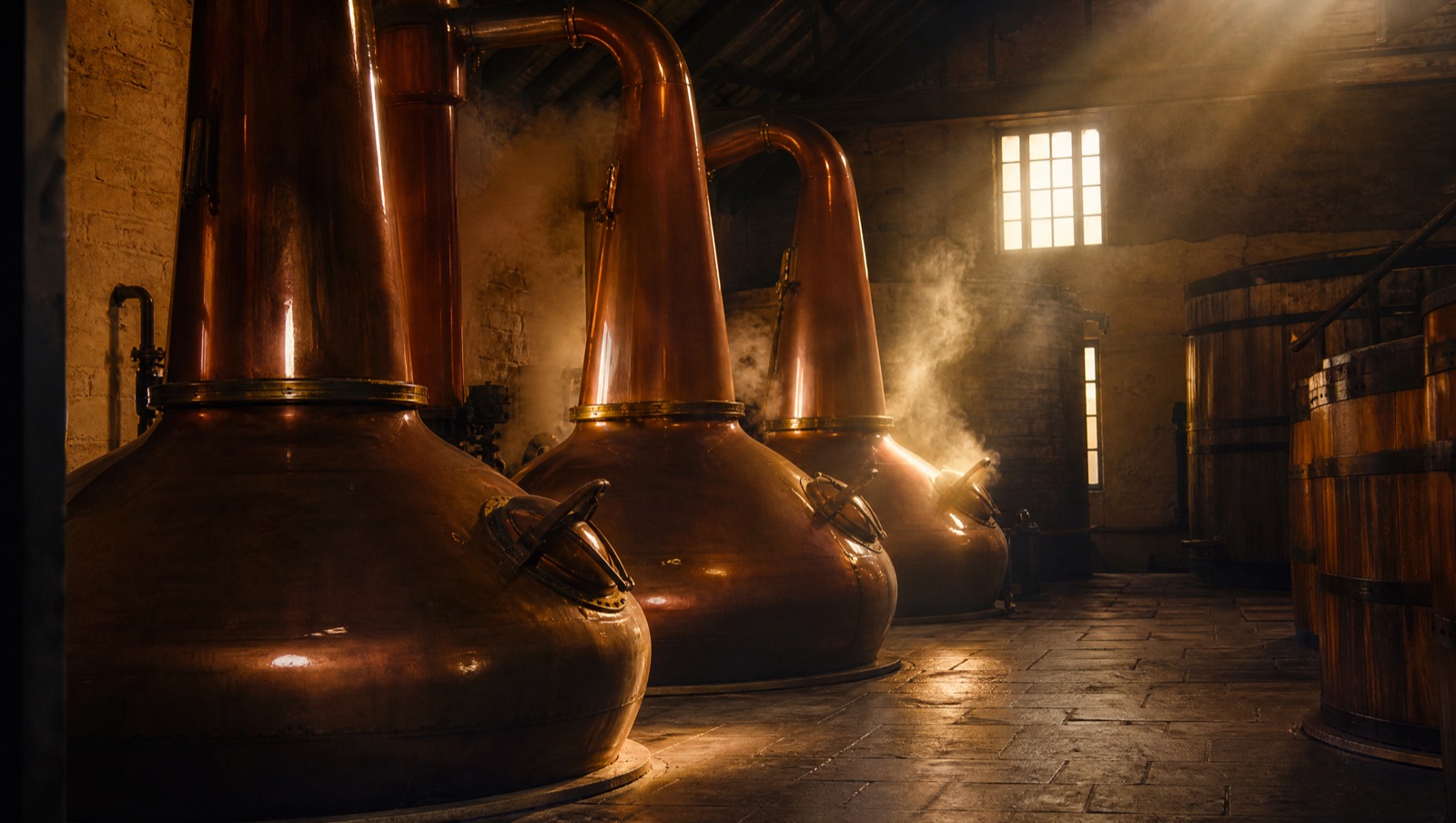
The fifteen distilleries gathered here span that whole spectrum. In Alsace you'll find long-established houses such as Distillerie G. Miclo, Distillerie Lehmann, Distillerie Nusbaumer and Distillerie Meyer, where copper alembics turn pears, cherries and wild raspberries into prized eaux-de-vie alongside newer Alsatian whiskies and gins. On the Breton coast, Celtic Whisky Distillerie (Glann ar Mor) works in the purest artisanal style with open-flame stills and slow distillation. Elsewhere, producers like Distillerie du Vercors, Distillerie Rozelieures and Bordeaux Distilling Co show how single malt and craft gin are taking root in the mountains, the Lorraine plain and the wine country of the south-west.
Most visits combine a walk through the still house with a guided tasting, and many sit within glorious walking, cycling and wine-touring country, making a distillery stop an easy and rewarding addition to any French itinerary.
What to expect on a tour
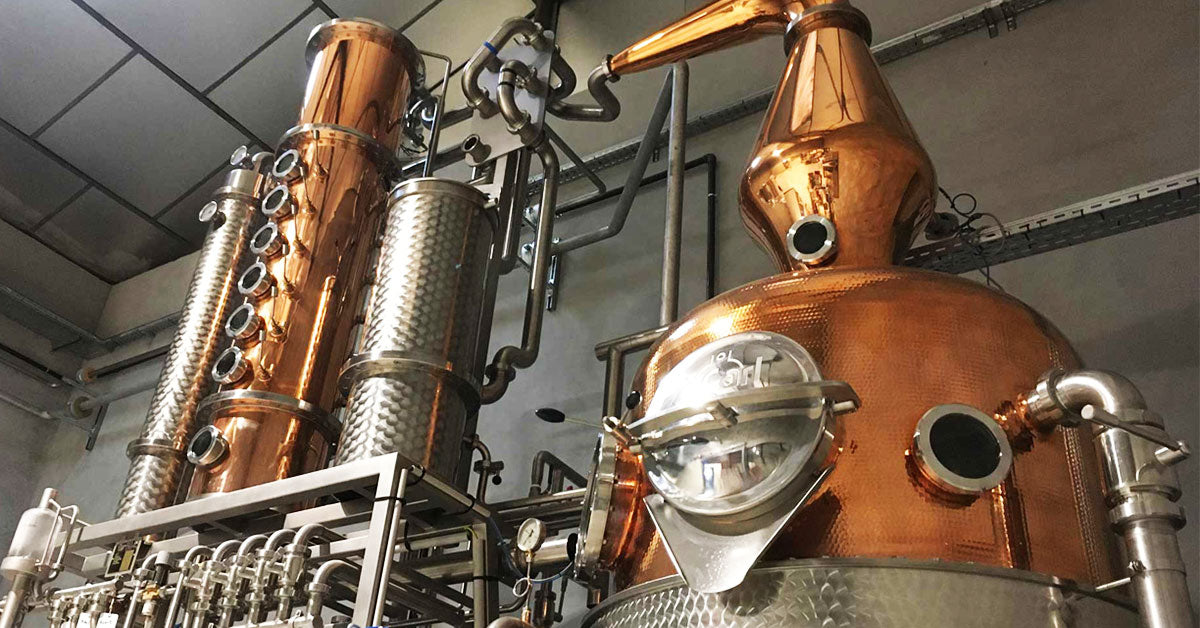
A typical French craft-distillery visit pairs a short guided walk through the working distillery with a seated or standing tasting at the end. In Alsace, tours at houses such as Miclo, Nusbaumer, Meyer or Lehmann tend to dwell on the eaux-de-vie tradition: how whole fruit is fermented and then slowly distilled to capture an intense, perfumed essence, and why these spirits are bottled clear and unsweetened. You'll usually see the copper stills, learn about the orchards and fruit selection, and then taste across a flight that might run from pear and cherry (kirsch) through to raspberry, plum and the distillery's whisky or gin.
At whisky-focused sites such as Celtic Whisky Distillerie in Brittany or Distillerie Rozelieures and Distillerie du Vercors, the emphasis shifts to malting, fermentation in wooden or steel vessels, pot-still distillation and cask maturation. Tours are generally informal and led by people who know the spirit intimately, often a member of the founding family. Tasting portions are small and measured, the focus is on understanding rather than volume, and most distilleries finish in a shop where you can buy bottles, including limited releases, to take home.
Getting there & around
France's craft distilleries are spread across very different regions, so plan around the one you most want to see. The Alsace cluster, including Miclo at Lapoutroie, Nusbaumer, Lehmann and Meyer, lies in and around the Vosges foothills near Colmar and the Alsace Wine Route; Colmar and Strasbourg are both well served by TGV from Paris, and a hire car makes it easy to string several distilleries together with vineyards and villages. The Breton coast, home to Celtic Whisky Distillerie (Glann ar Mor) near Pleubian, is best reached via Brittany's TGV links and then a short drive.
For distilleries in the mountains and countryside, such as Distillerie du Vercors near Grenoble, Distillerie Rozelieures in Lorraine, or Bordeaux Distilling Co in the south-west, a car is usually the simplest option, though Bordeaux, Nancy and Grenoble all sit on the rail network. Because tastings involve alcohol, agree a designated driver in advance, build in time between stops, or look into local taxis and small-group tours where available.
Frequently asked
- Do I need to book a distillery tour in advance?
- It is wise to. Many French craft distilleries are small, family-run operations with limited tour slots, and some open the still house only at set times or by appointment. Booking ahead, especially for guided tours in English or for groups, secures your place and lets the distillery prepare. Smaller shops may welcome walk-ins for tasting and purchases, but for a proper guided visit it is best to check the distillery's own website or call first.
- How much does a tour and tasting usually cost?
- Prices vary by distillery and by how much tasting and detail is included. Many offer a short visit with a small tasting for a modest fee, sometimes free if you intend to buy bottles, while in-depth or premium tastings cost more. As a general guide, expect anything from a few euros for a basic tasting up to a higher figure for extended or reserve tastings. Always confirm current prices directly with the distillery, as they change and we don't list specific amounts here.
- How many distilleries can I realistically visit in a day?
- In a tightly clustered area like the Alsace Wine Route, where houses such as Miclo, Nusbaumer, Lehmann and Meyer are relatively close, two or even three visits in a day is achievable if you book sensibly and keep tastings modest. Elsewhere, where distilleries are far apart, one well-chosen visit per day is more realistic and far more enjoyable. Allow roughly one to two hours per distillery, plus travel and time to browse the shop.
- Can I drink at tastings if I'm driving?
- This needs care. France has strict drink-driving limits, and even a few small tastes can put you over them. The safest approach is to nominate a non-drinking driver, use taxis or a local tour, or split tastings so that whoever is driving abstains. Many distilleries are understanding and will let you taste a smaller amount, spit, or take bottles home to enjoy later. Never plan to drive straight after a full tasting flight.
- Are these tours suitable for children and families?
- Distilleries generally welcome families, and children can usually join the walking part of the tour and learn about the fruit, orchards and production process. Tastings, of course, are for adults of legal drinking age only, though some places offer soft alternatives such as fruit juices or syrups. If you're travelling with young children, check in advance, as a few sites have age limits or areas with machinery that aren't ideal for little ones.
- What's the best time of year to visit?
- Late spring through early autumn is the most comfortable window, with longer days and easier travel, and it pairs well with walking, cycling and wine touring, particularly in Alsace and Brittany. Autumn can be especially atmospheric near fruit-growing regions when orchards and harvests are in full swing. Winter visits are quieter and more intimate but some smaller distilleries reduce their opening hours, so always confirm before travelling.
- Are the distilleries accessible for visitors with limited mobility?
- Accessibility varies widely. Newer or larger sites may have step-free tasting rooms and shops, while older distilleries housed in historic buildings can involve stairs, uneven floors or narrow passages in the production areas. If step-free access matters to you, contact the distillery ahead of your visit; staff can usually advise which parts of the tour are accessible and may be able to arrange a tasting even where the full production walk isn't suitable.