
Single Malt · France
Single Malt Distilleries in France
Tour 14 single malt distilleries in France. Each offers visits, tastings or experiences you can book directly — including Distillerie Bertrand, Distillerie Hepp, Distillerie Lehmann.
14distilleries

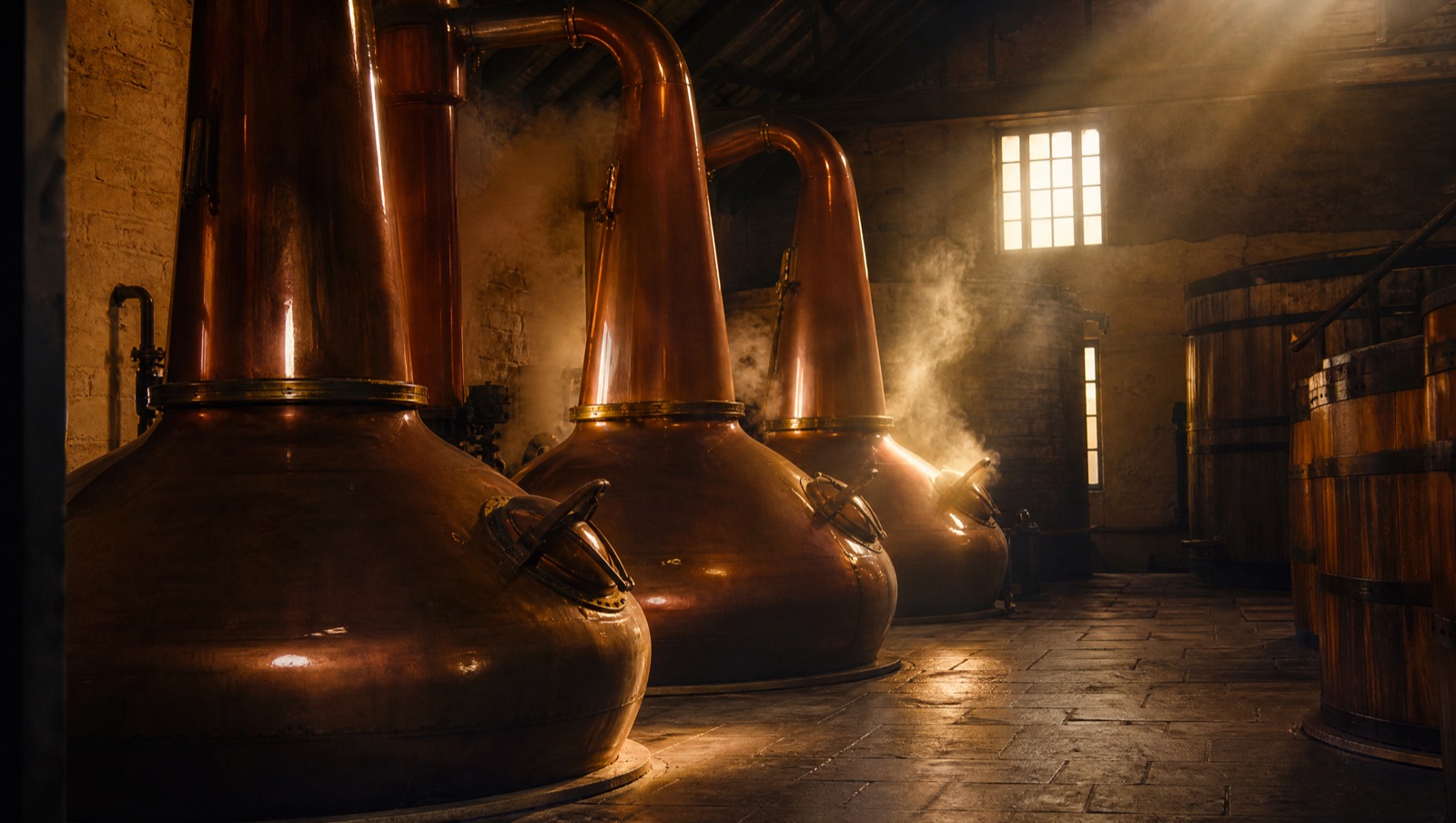
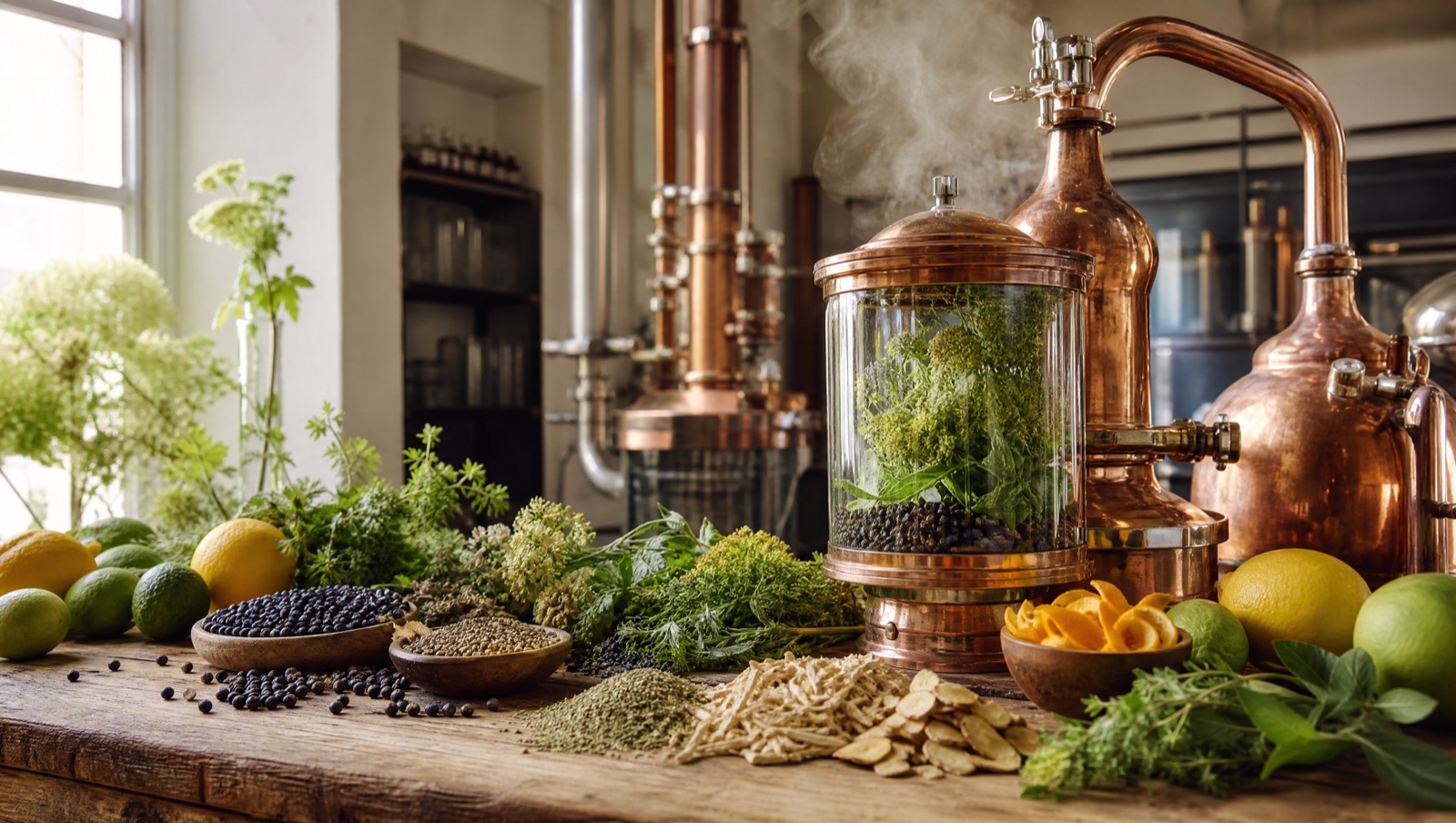
Celtic Whisky Distillerie (Glann ar Mor)
Seaside farm distillery on the Brittany coast
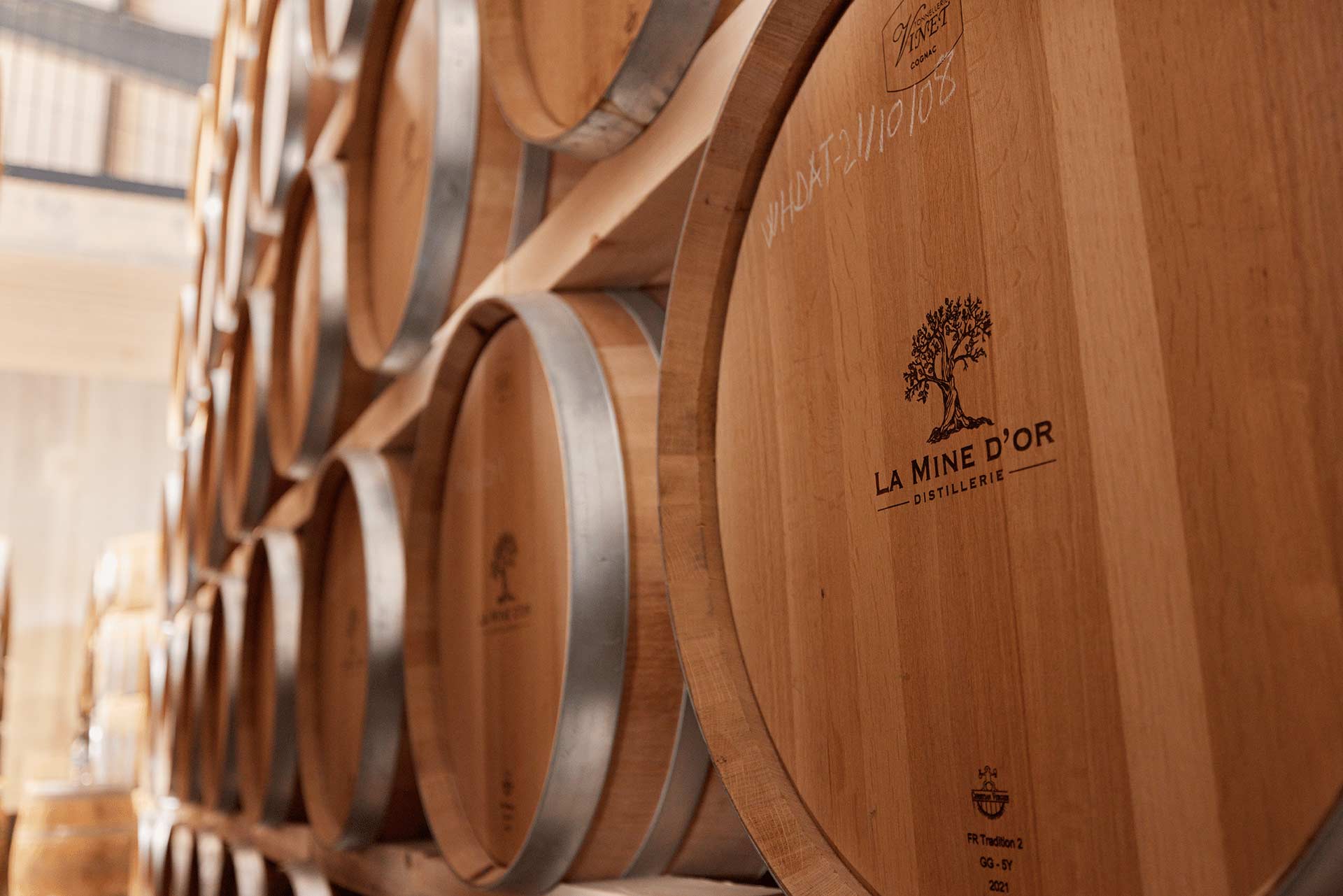

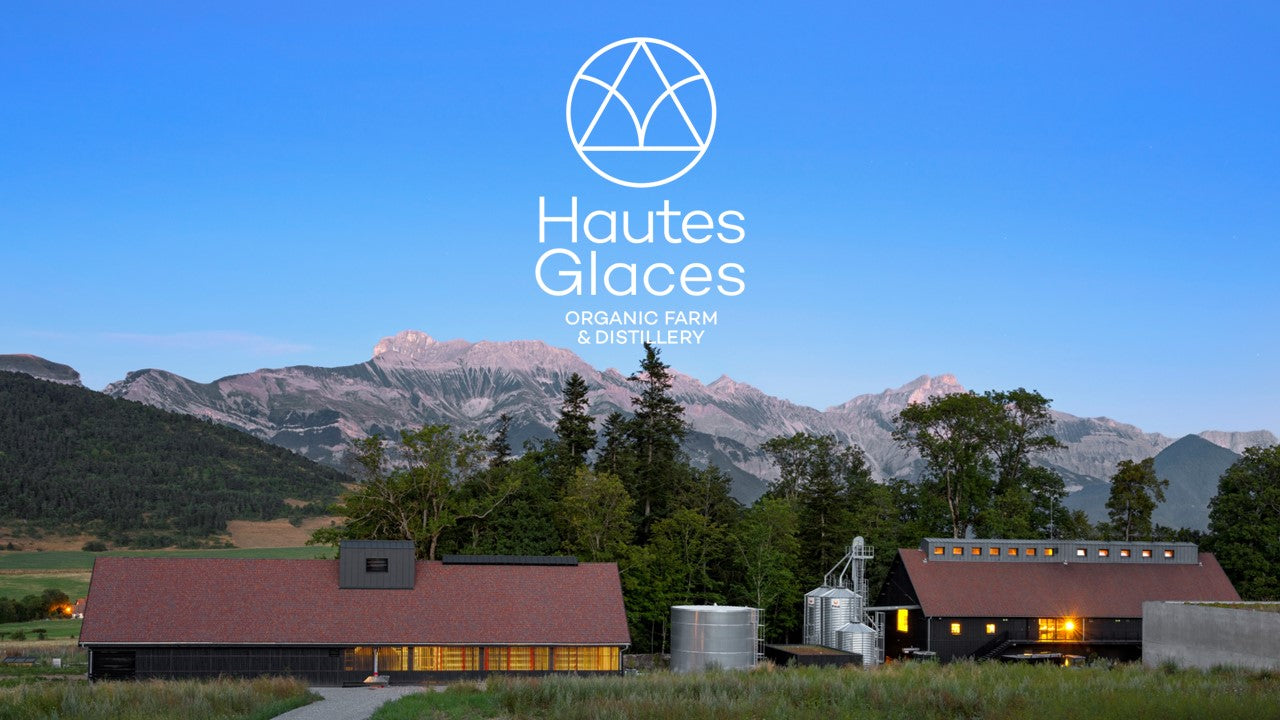
Domaine des Hautes Glaces
Organic farm-to-bottle Alpine single malt
About single malt distilleries in France
France is now Europe's most surprising whisky nation, and single malt sits at the heart of its story. The country only began distilling whisky commercially in the 1980s, when Brittany's Distillerie Warenghem produced the first French whisky in 1987 and went on to launch Armorik, the first French single malt, in 1998. From a mere handful of producers in the early 2010s, the scene has grown to well over a hundred distilleries, and the listed names here trace its three great heartlands: Brittany, Alsace and the mountains of the east.
Each region brings its own character. Brittany leans on its long brewing tradition and a cool, maritime climate ideal for slow cask maturation, seen at houses such as Distillerie Warenghem, the Celtic Whisky Distillerie (Glann ar Mor) and Distillerie de la Mine d'Or. Alsace, with its eaux-de-vie heritage and pure mountain water, produces floral, fruit-driven malts at Distillerie G. Miclo, Distillerie Meyer, Distillerie Lehmann, Distillerie Hepp, Distillerie Nusbaumer and Distillerie Bertrand. Further east and south, Distillerie Rozelieures in Lorraine, the Alpine Domaine des Hautes Glaces and Distillerie du Vercors champion a true terroir approach, often growing their own barley.
Visits typically pair a working tour of mash, still and cask cellar with a guided tasting, and many distilleries double as long-established fruit eaux-de-vie producers, giving an unusually rich sense of French craft distilling.
What to expect on a tour
Most French single malt distilleries are small, family-run operations, so tours tend to be personal and hands-on rather than slick corporate experiences. A typical visit walks you through the full process: malted barley, mashing and fermentation, the copper pot stills, and the maturing casks in the cellar. Because many of these houses, particularly in Alsace, built their reputations on fruit eaux-de-vie long before whisky, you will often see brandy and liqueur production alongside the whisky, which makes for an unusually broad introduction to French distilling.
Tours almost always finish with a guided tasting. Expect to sample one or more single malts, frequently matured or finished in French wine casks, and at fruit distilleries you may also taste eaux-de-vie, gin or liqueurs. Tasting notes are explained by someone who genuinely knows the spirit, and most distilleries have a shop where you can buy bottles, including limited or distillery-only releases, to take home.
Getting there & around
France's whisky regions are spread out, so plan around one area at a time. Brittany's distilleries cluster in the north-west, reachable by TGV to Rennes or the Lannion area near the Pink Granite Coast, with a hire car best for the rural sites such as Glann ar Mor and Distillerie de la Mine d'Or. Alsace is the most concentrated and visitor-friendly cluster: Strasbourg and Colmar make excellent bases, with houses like Lehmann at Obernai, Miclo near Colmar and Nusbaumer at Steige within easy reach by car along the wine route.
For the eastern and Alpine producers, Rozelieures sits in rural Lorraine south-east of Nancy, while Domaine des Hautes Glaces and Distillerie du Vercors lie in mountainous country best explored by car. Public transport reaches the larger towns, but a vehicle gives you the freedom to combine two or three distilleries with the surrounding vineyards, villages and scenery. If you intend to taste, arrange a designated driver or local transport in advance.
Planning your visit
Always check opening times and book ahead, especially for smaller distilleries where tours may run only on set days or by appointment. Many Alsace and Brittany producers keep a shop and tasting room open more regularly than their guided tours, so it is worth confirming exactly what you are booking. Combining a distillery visit with the region's wider draws works well: the Alsace wine route, Brittany's coastline, or the Alpine landscapes around the Vercors and Hautes Glaces all reward an unhurried itinerary.
Two or three distilleries in a day is realistic within a single region if they are reasonably close, but allow travel time between rural sites and don't over-pack the schedule. Tastings are best enjoyed slowly, and a relaxed pace lets you talk to the makers, which is often the highlight.
Frequently asked
- Do I need to book a distillery tour in advance?
- In most cases yes. French single malt distilleries are largely small, family-run businesses, and guided tours often run only on certain days or by appointment. Booking ahead, particularly outside the summer season, avoids disappointment. Shops and tasting counters are sometimes open more freely than the full behind-the-scenes tour, so confirm what is included when you reserve.
- How much does a tour and tasting cost?
- Prices vary by distillery and by how much tasting and how many bottles are involved. Many basic tours are inexpensive or even free with a purchase, while more in-depth experiences with premium tastings cost more. As these are independent producers with their own pricing, check each distillery's website for current rates rather than assuming a single standard fee.
- How many distilleries can I visit in one day?
- Within a single region, two or three is comfortable if they are close together, which is most achievable in Alsace where producers like Lehmann, Miclo and Nusbaumer sit relatively near one another. Allow generous travel time for the more rural Breton and Alpine sites, and remember that unhurried tastings are part of the pleasure, so resist cramming too much in.
- Can I drive between distilleries if there are tastings?
- You can drive, but you must not drink and drive. France enforces strict drink-driving limits. The safest approach is a designated driver, a hired driver or local transport, or simply tasting modestly and buying bottles to enjoy later. Most distilleries are happy for you to take samples home if you would rather not drink on site.
- Are these distilleries suitable for families and children?
- Many are, as a number of them, especially in Alsace, are long-established fruit eaux-de-vie producers with shops and visitor facilities. Children can usually join the production tour even though they cannot take part in the alcohol tasting. Policies differ between distilleries, so it is worth checking ahead if you are travelling with younger visitors.
- What makes French single malt different from Scotch?
- French single malts are typically made by small distilleries that often grow or source local barley and frequently mature or finish their whisky in French wine casks, giving fruity, floral and sometimes wine-influenced profiles. Brittany's maritime climate, Alsace's eaux-de-vie heritage and the terroir focus of producers like Domaine des Hautes Glaces and Rozelieures all shape distinctive regional styles.
- When is the best time to visit?
- Late spring through autumn is generally the most reliable, with longer opening hours and pleasant weather for combining distilleries with the surrounding countryside, vineyards or coast. Some distilleries reduce their tour schedule in winter. Whenever you go, confirm seasonal opening times in advance, as these can change for smaller producers.
- Are the distilleries accessible for visitors with limited mobility?
- Accessibility varies considerably. Modern visitor centres tend to be well equipped, but older buildings and working production areas with stairs or uneven floors can be harder to navigate. If accessibility is a concern, contact the distillery directly before your visit so they can advise on what is possible and arrange any assistance.