
Single Malt · Scotland
Single Malt Distilleries in Scotland
Tour 94 single malt distilleries in Scotland. Each offers visits, tastings or experiences you can book directly — including Edradour Distillery, Glengoyne Distillery, Luss Distillery.
94distilleries
Glengoyne Distillery
Highland-line single malt near Loch Lomond

The Glenturret Distillery
Claimed oldest working distillery, with Michelin dining

Summerhall Distillery (Pickering's Gin)
Pickering's Gin and a gin school in Edinburgh


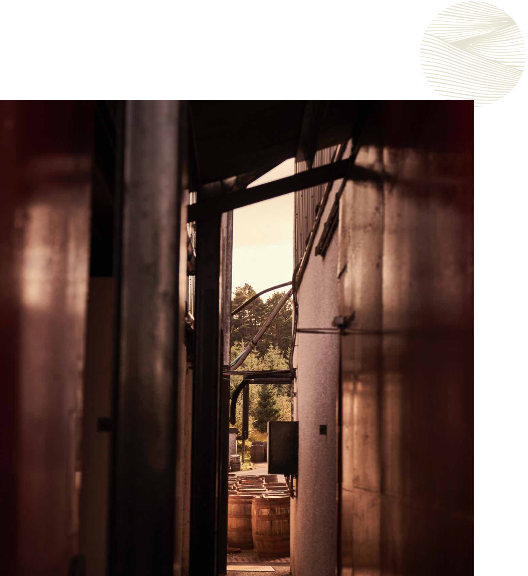
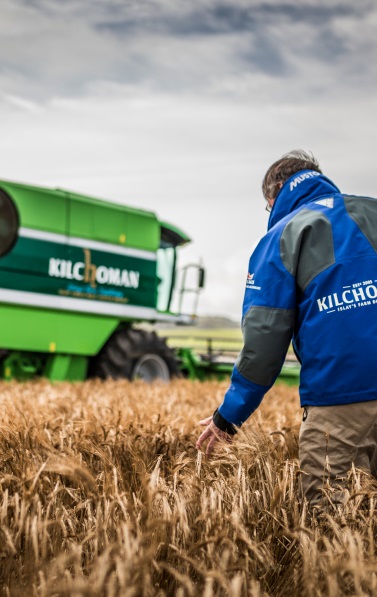
Kilchoman Distillery
Islay farm distillery, field to bottle
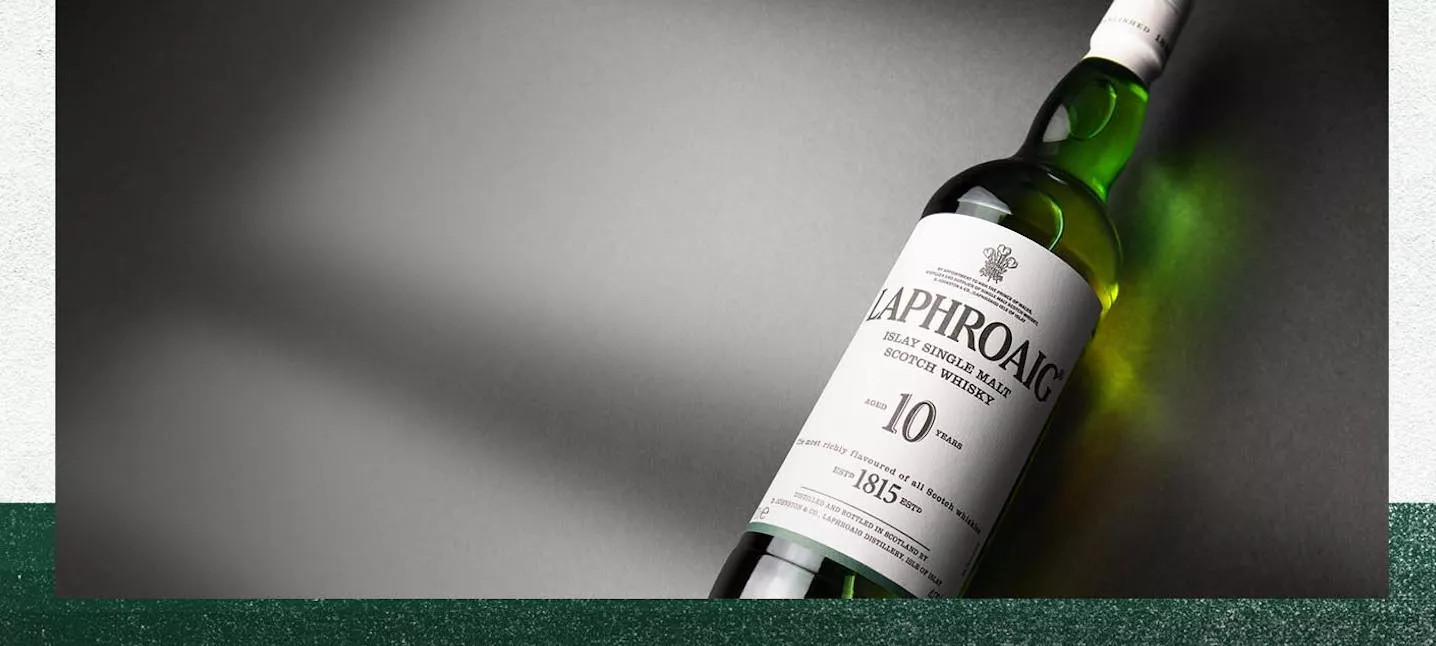
Lochranza Distillery (Isle of Arran)
Arran's first legal distillery in 150 years
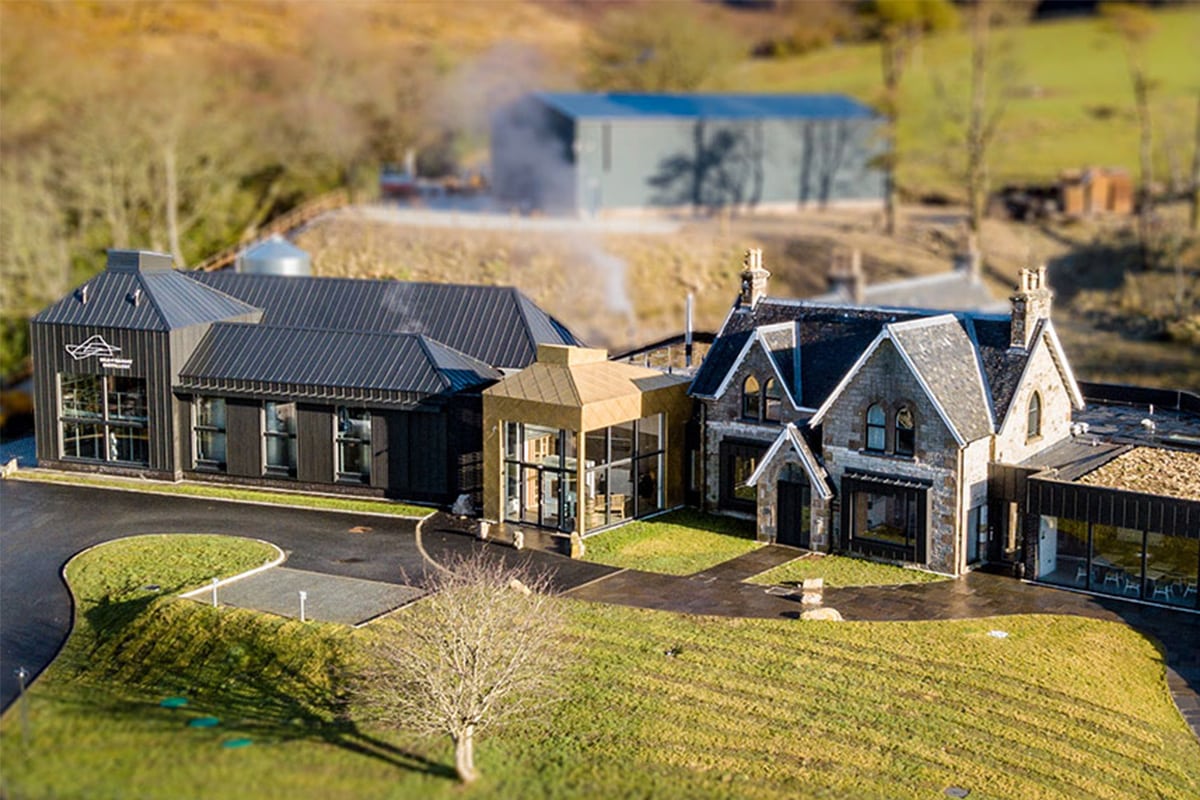

Auchentoshan Distillery
Triple-distilled single malt on Glasgow's doorstep
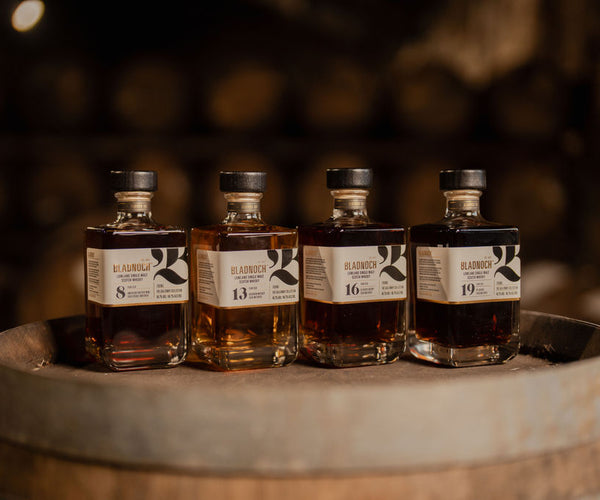
Bladnoch Distillery
Scotland's most southerly malt by the River Bladnoch


The Borders Distillery
The Borders' first Scotch distillery in generations


Abhainn Dearg Distillery
Remote 'Red River' malt on the Isle of Lewis

About single malt distilleries in Scotland
Scotland is the spiritual home of single malt whisky, and these 94 distilleries trace the country's living distilling tradition from the Lowland fringe to the far Highlands and the windswept Mull of Kintyre. Single malt, by definition, is made at one distillery from 100% malted barley in copper pot stills, and Scotland's five recognised regions each give it a different accent: gentle Lowland malts, fruit-driven Speyside drams, the broad and varied Highlands, and the maritime, faintly briny whiskies of Campbeltown. The distilleries gathered here span much of that range, so a visit can be as much a study of place as of process.
Among them sit some of the most coveted names in the craft. In Campbeltown, once styled the whisky capital of the world, Springbank still completes every stage of production on a single site, while neighbouring Glengyle quietly makes the cult Kilkerran malt and Glen Scotia keeps the old port's tradition alive. Highland Perthshire offers an unusually rich cluster, with the diminutive Edradour, the historic Glenturret near Crieff, Dewar's Aberfeldy and Blair Athol at the gateway to the Highlands all within easy reach of one another.
Tours typically pair a walk through the mash house, still room and warehouses with a tutored tasting, and most are warm, unhurried affairs led by people who clearly love the place. Whether you want one immersive visit or a multi-distillery road trip, Scotland rewards the planning.
What to expect on a tour
A standard single malt tour runs roughly an hour to ninety minutes and follows the whisky through its making: the mash house where milled barley is steeped, the washbacks where it ferments, the gleaming copper stills, and the dunnage or racked warehouses where casks slumber for years. Guides explain how barley, water, cask and time shape the spirit, and most tours close with a tutored tasting of the distillery's core expressions. Styles vary widely. Springbank in Campbeltown is unusual in carrying out 100% of the process on site, from malting floor to bottling, which makes for an especially complete visit. Glenturret, near Crieff, still mashes by hand and cuts the spirit by eye, a rare survival of traditional methods. Many distilleries also offer deeper experiences such as warehouse tastings drawn straight from the cask, or blending and bottle-your-own sessions, which are worth seeking out if you have time.
A few practical notes. Tours are conducted on foot, often on metal stairs and uneven floors, so wear comfortable closed shoes. Photography is sometimes restricted in still rooms and warehouses for safety reasons, so check with your guide. Bring photo ID if you intend to taste, and tell staff in advance if you would prefer soft drinks or a take-away dram instead.
Planning your visit
Single malt distilleries can be visited individually or strung together into a trail, and Scotland makes both easy. Highland Perthshire is the standout for day-tripping: Aberfeldy, Blair Athol, Edradour and Glenturret sit close together around Pitlochry and Crieff, so two in a day is comfortable and three is achievable for the keen. Campbeltown, by contrast, is a destination in itself; its three distilleries cluster in one small town at the tip of the Kintyre peninsula, rewarding an overnight stay. Allow at least an hour and a half per distillery once you factor in the tour, tasting and time in the shop or bar.
Booking ahead is strongly advised, particularly at smaller or more sought-after distilleries and during festival periods, as tour numbers are often limited and popular slots fill weeks in advance. Note too that visitor access can change: some distilleries, such as Edradour, are not always open to the public, so confirm directly before travelling. If you plan to taste at more than one stop, arrange a driver, a tour service or public transport rather than driving yourself.
Frequently asked
- Do I need to book distillery tours in advance?
- Yes, in most cases. Tour groups are usually small and guided, so spaces are limited, and the most popular distilleries and experiences can sell out days or weeks ahead, especially in summer and around whisky festivals. Booking online before you travel is the safest approach. A few larger visitor centres accept walk-ins when space allows, but it is never guaranteed.
- How much does a distillery tour cost?
- Prices vary by distillery and depth of experience. A standard tour with a tasting of the core single malt commonly falls in the low-to-mid teens of pounds per person, with some entry-level visits a little less. More involved experiences, such as warehouse tastings of cask samples or premium flights, cost more. Always check the distillery's own website for current pricing, as it changes and is set individually.
- How many distilleries can I realistically visit in a day?
- Two is comfortable and three is possible if they are close together, as in Highland Perthshire around Pitlochry and Crieff. Each full visit takes around ninety minutes once you allow for the tour, tasting and shop, plus driving time between sites. Trying to cram in more tends to leave you rushed, and tasting at several stops adds up quickly, so build in food and breaks.
- Can I drive between distilleries if I'm tasting?
- You should not drive after tasting. Scotland has a low drink-drive limit and it is easy to exceed it after a single dram. Sensible options include nominating a non-drinking driver, taking a guided whisky tour with transport included, or using public transport where available. Most distilleries will happily set aside your samples in take-away dram bottles so you can enjoy them later.
- Are distillery tours suitable for children and families?
- Policies differ. Some distilleries welcome older children on tours and provide soft drinks in place of tastings, while others set a minimum age, often because of licensing rules or safety in production areas. Under-18s cannot taste whisky. If you are visiting as a family, check each distillery's age policy in advance, as it is set individually and not consistent across Scotland.
- Are the distilleries accessible for visitors with limited mobility?
- Accessibility varies considerably. Working distilleries are often historic buildings with stairs, narrow passages and uneven warehouse floors, which can make full tours difficult for wheelchair users or those with limited mobility. Some larger visitor centres have step-free routes, accessible facilities or alternative experiences. Contact the distillery directly before booking to discuss your needs, as staff can usually advise on the most suitable option.
- What's the best time of year to visit?
- Distilleries welcome visitors year-round. Late spring through early autumn offers the longest days and easiest travel, and is ideal for combining distilleries with the surrounding countryside, though it is also the busiest. Whisky festivals, such as the Campbeltown Malts Festival, bring special tastings and a lively atmosphere but require very early booking. Winter visits are quieter and atmospheric, but always confirm opening times, as some smaller distilleries reduce hours off-season.