
Single Malt · Japan
Single Malt Distilleries in Japan
Tour 19 single malt distilleries in Japan. Each offers visits, tastings or experiences you can book directly — including Asaka Distillery (Sasanokawa Shuzo), Sakurao Brewery and Distillery, Nikka Yoichi Distillery.
19distilleries
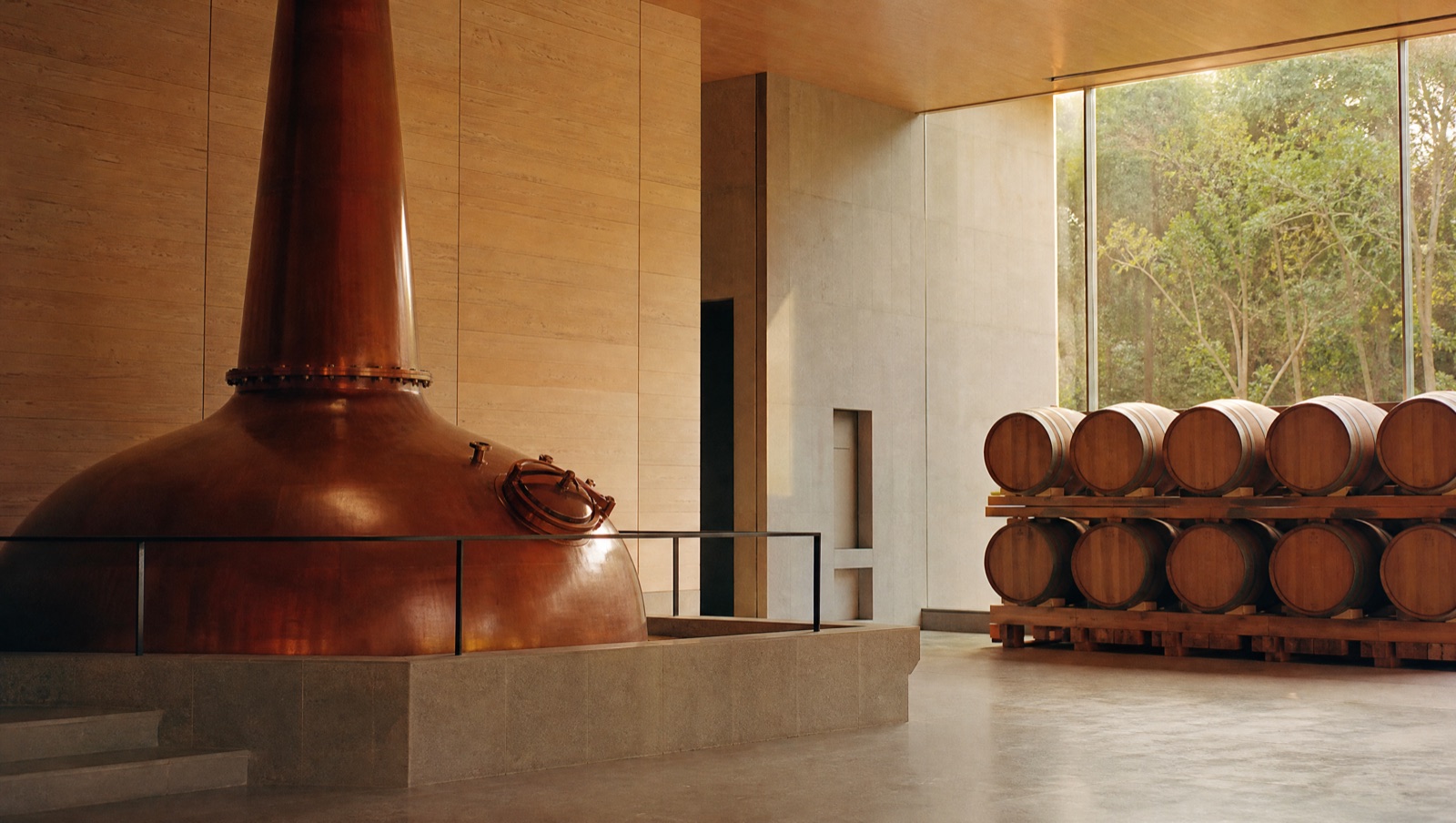


Mars Tsunuki Distillery (Hombo Shuzo)
Hombo Shuzo's Kyushu whisky birthplace
Mars Komagatake Distillery (Hombo Shuzo)
Japan's highest whisky distillery in the Alps

Suntory Yamazaki Distillery
Japan's first and oldest malt whisky distillery
Saburomaru Distillery (Wakatsuru Shuzo)
Toyama's only whisky distillery and the ZEMON still
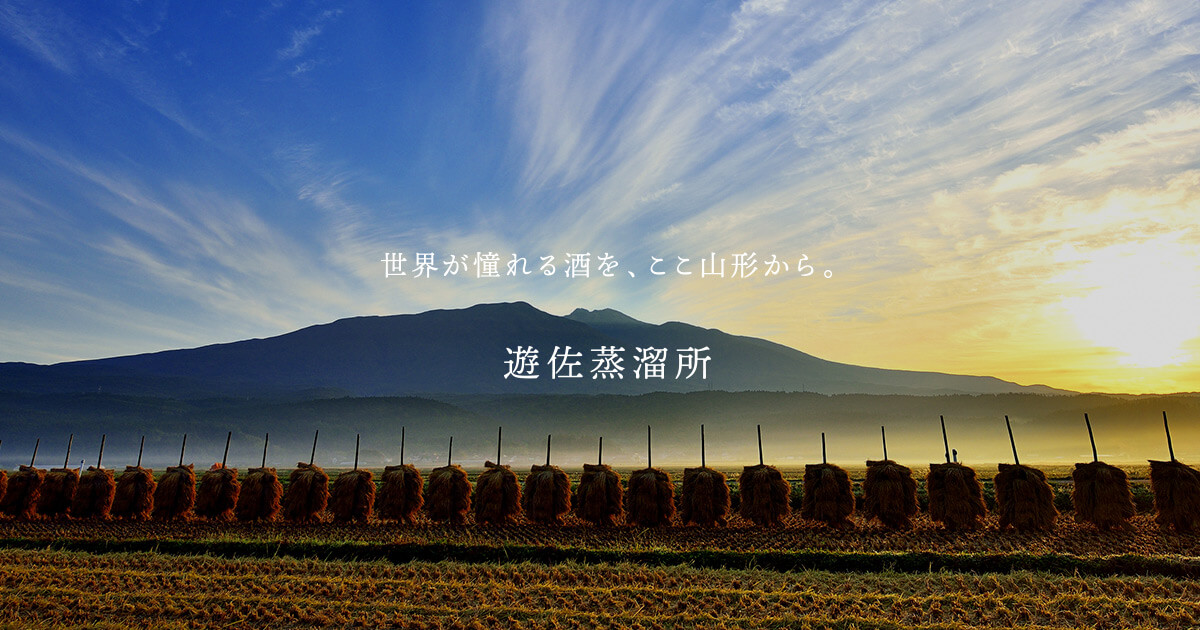
Mars Komagatake (Shinshu) Distillery
High-altitude single malt in the Central Alps
About single malt distilleries in Japan
Japan makes single malt whisky in the Scottish tradition but renders it unmistakably its own. The story begins in 1923, when Suntory's Shinjiro Torii built the country's first malt distillery at Yamazaki, in the valley south of Kyoto where three rivers meet and the soft water and humid summers shape the spirit. A decade later his collaborator Masataka Taketsuru, who had studied the craft in Scotland, struck out to found Nikka and built Yoichi on the cold, salt-air coast of Hokkaido, with Miyagikyo following inland near Sendai. From those roots a whole landscape of single malt has grown, prized worldwide for its precision, balance and patience.
What makes a Japanese distillery trip so rewarding is the range. You can stand in the museum at Suntory Yamazaki, walk the seaside grounds at Nikka Yoichi where stills are still direct-fired with coal, or visit a wave of ambitious newcomers: Kanosuke and Mars Tsunuki in the warm south of Kagoshima, mountain-bound Mars Komagatake in the Central Alps, Gaiaflow Shizuoka beneath Mount Fuji, and tiny Nagahama beside Lake Biwa.
Tours typically combine a walk through mashing, fermentation and the still house with a guided tasting; some sites add paid sampling bars and shops carrying bottles you will struggle to find abroad. Several also reach back into local brewing heritage, from Sakurao on the Seto Inland Sea to centuries-old Asaka in Fukushima.
What to expect on a tour
A standard visit runs roughly 60 to 90 minutes and follows the whisky from grain to glass: the mash tun and washbacks, the still house with its distinctive pot stills, and the dunnage warehouses where casks sleep in the local climate. Guides explain how each site's water, weather and choice of casks, including Japanese mizunara oak, shape the house style. Most tours close with a seated tasting of two or three drams, often paired with chocolate or other small accompaniments, and a chance to nose the new-make spirit alongside the matured whisky.
The contrasts between distilleries are part of the pleasure. Nikka Yoichi is famous for coal-fired direct distillation and a robust, faintly peaty character, while Miyagikyo leans lighter and more aromatic. Suntory Yamazaki pairs its tour with a free-to-enter whisky museum and a vast library of sample bottles. At younger craft sites such as Gaiaflow Shizuoka, Kanosuke and the two Mars distilleries, expect a more intimate, hands-on feel and plenty of conversation with the people actually making the spirit. Many sites also run paid tasting counters where you can sample limited or distillery-exclusive bottlings beyond what the tour includes.
Planning your visit
Reservations are essential at almost every Japanese distillery, and the headline names book up fast. Suntory's flagship tours, including Yamazaki, are released on a fixed schedule and fill quickly; English-language slots are especially scarce and are sometimes allocated by lottery, so secure a place before locking in the rest of your itinerary. Nikka's Yoichi and Miyagikyo also require advance booking, with free tours that include tastings and additional paid sampling on site. Smaller craft distilleries vary widely, from regular guided slots to appointment-only visits, so always check the official site directly rather than relying on third parties.
Geography rewards a little grouping. Yamazaki sits between Kyoto and Osaka and pairs naturally with a Kansai trip, where Nagahama by Lake Biwa is also within reach. Yoichi and Miyagikyo belong to separate journeys, one to Hokkaido near Sapporo, the other to the Sendai area in Tohoku, alongside historic Asaka in Fukushima. The southern cluster of Kanosuke, Mars Tsunuki and Mars Komagatake spans Kagoshima and Nagano, while Gaiaflow Shizuoka and Kirin Fuji Gotemba make a fine Mount Fuji-area pairing.
Frequently asked
- Do I need to book a distillery tour in advance?
- Yes, in almost all cases. Japanese distilleries work on reservations rather than walk-ins, and the most famous names sell out well ahead. Book the big sites, especially Suntory Yamazaki and Nikka's Yoichi and Miyagikyo, as early as you can, and check the official distillery website for the latest schedule, as availability and rules change seasonally.
- Are tours available in English?
- Many distilleries cater to international visitors with English audio guides, signage or staff, but live English-language tours are limited and can be hard to secure, particularly at the flagship Suntory sites where they may be allocated by lottery. Smaller craft distilleries are more likely to run primarily in Japanese, so confirm language options when you book.
- How much does a distillery tour cost?
- It varies by site and tour type. Some tours are free with a paid or premium upgrade, while others charge a modest fee, and many include a guided tasting in the price. Prestige or extended experiences cost more and feature rarer drams. On-site tasting bars usually charge per pour. Always check current pricing on the official website, as figures change.
- How many distilleries can I realistically visit in one day?
- Usually one, occasionally two if they are close together and you book carefully. Tours last an hour or more, travel between sites in Japan can be slow, and tastings are best enjoyed unhurried. Distilleries are spread across the country, so most travellers plan around regional clusters rather than long single-day dashes.
- Can I drive between distilleries and still join the tastings?
- Japan enforces a strict zero-tolerance drink-driving law, so the designated driver must not sample any whisky at all. Most visitors rely on trains, buses or taxis precisely so everyone can take part in the tastings. Distilleries typically offer soft drinks or water for drivers, and some let you take unsampled drams away to enjoy later.
- Are the tours suitable for children and families?
- Families are generally welcome on the production tour, which is informative and accessible, though tastings are for adults of legal drinking age (20 in Japan). Children are not permitted to sample alcohol, and some premium tastings may be adults-only. Many distilleries have shops, cafes and grounds that make a visit enjoyable for non-drinkers and younger visitors alike.
- Are the distilleries accessible for visitors with mobility needs?
- Larger sites such as the Suntory and Nikka distilleries tend to offer better facilities, but production buildings can involve stairs, narrow walkways and uneven floors. Accessibility differs considerably between the major operations and the smaller craft distilleries, so contact the distillery in advance to discuss your needs and confirm what can be accommodated.