
Gin · Japan
Gin Distilleries in Japan
Tour 4 gin distilleries in Japan. Each offers visits, tastings or experiences you can book directly — including Sakurao Brewery and Distillery, Kaikyo Distillery (Akashi Sake Brewery), The Kyoto Distillery (Ki No Bi Gin).
4distilleries
The Kyoto Distillery (Ki No Bi Gin)
Japan's first dedicated craft gin distillery
About gin distilleries in Japan
Japanese gin has carved out a category all its own in a remarkably short time, distinguished less by reinterpreting the European tradition than by reaching for botanicals that exist nowhere else. The modern scene is widely traced to Kyoto, where The Kyoto Distillery launched Ki No Bi Kyoto Dry Gin in 2016, building it on a rice-spirit base, Fushimi spring water and ingredients such as yuzu, gyokuro tea, bamboo, red-pine wood and green sanshō pepper. That blueprint, local botanicals treated with precision, has shaped producers across the country. In Hiroshima, Sakurao Brewery and Distillery (and its Sakurao Distillery) combines century-old know-how with gins featuring citrus, hinoki cypress and shiso. Near the Akashi Strait, Kaikyo Distillery, run by the Akashi Sake Brewery, brings a sake-making heritage to its gin work. The thread running through all of them is yuzu, sansho, cherry blossom, green tea, botanicals with no real European equivalent, distilled with the same care Japan brings to whisky and sake. For visitors, it makes for tours that feel precise, seasonal and unmistakably Japanese.
Gin: styles & how it's made
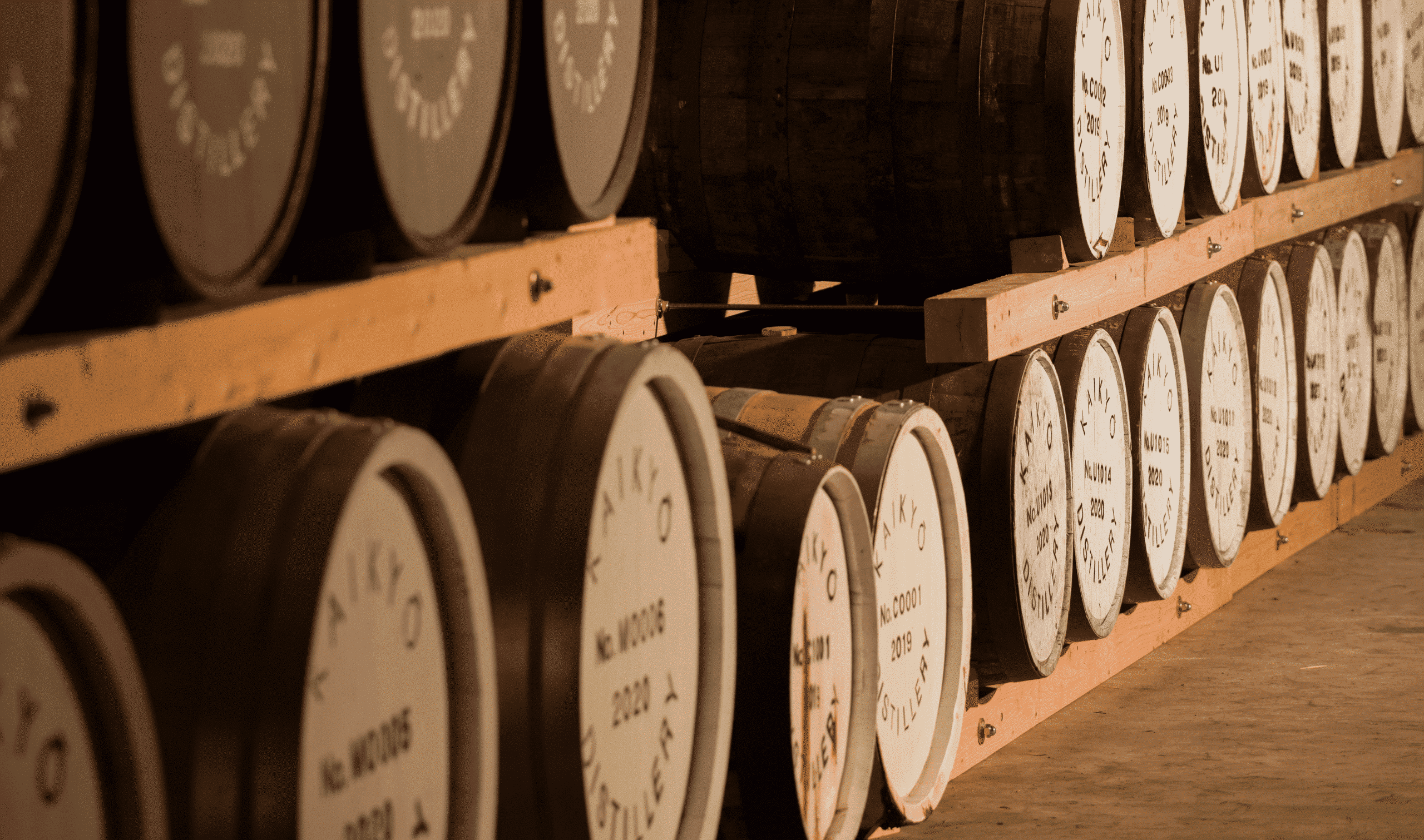
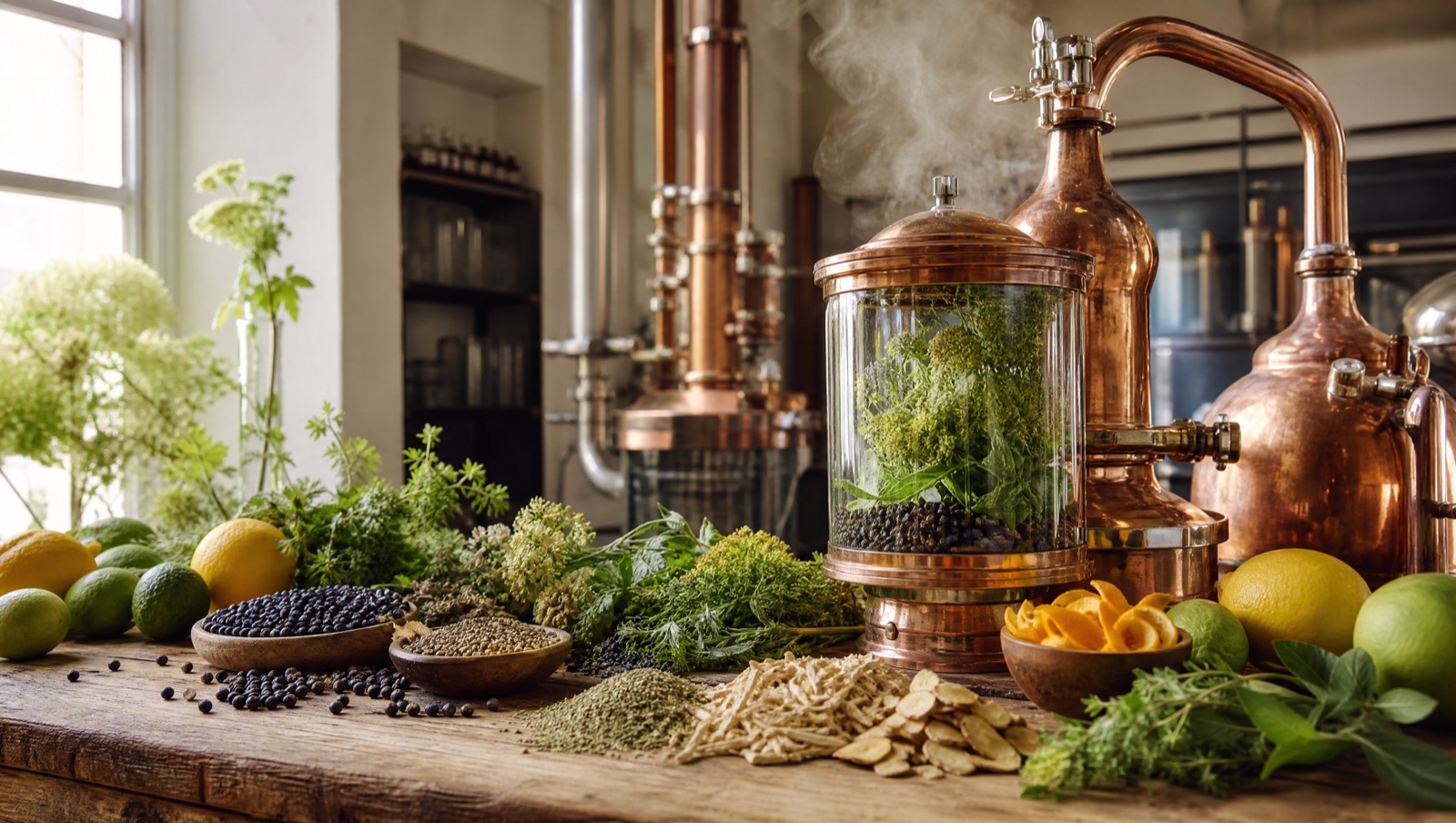
Japanese gin starts from a clear philosophy: let local ingredients lead. Ki No Bi is the touchstone, distilled on a rice-spirit base with botanicals split into six elements, base, citrus, tea, herbal, spice and fruity-floral, each distilled separately before blending, using Fushimi groundwater from Kyoto's famed sake district. Yuzu sits at the heart of the citrus character, its zest falling somewhere between lemon, grapefruit and mandarin with a floral lift. Sakurao, in Hiroshima, layers citrus, hinoki cypress and shiso into its original gin and reaches for cherry blossom and Japanese juniper in limited releases, occasionally even oyster shells nodding to the local Setouchi coast. Kaikyo Distillery draws on the Akashi Sake Brewery's long brewing background, applying that fermentation and distillation expertise to gin. The recurring techniques, individual distillation of botanicals, rice or grain bases, and meticulous water sourcing, reflect a craft culture where precision is second nature. The effect is gin that tastes distinctly of Japan rather than of London.
Where to taste gin in Japan
Kyoto is the natural starting point. As the birthplace of the modern movement, it lets you connect the gin to the city's sake heritage and refined food culture, and The Kyoto Distillery's Ki No Bi is the spirit that started it all. For a coastal contrast, head west to Hiroshima Prefecture, where Sakurao Brewery and Distillery offers tours, often with English-speaking guides, that show how a long-established producer turned to innovative local gins and whiskies. Near Kobe, the Kaikyo Distillery and its parent Akashi Sake Brewery sit beside the Akashi Strait, pairing gin with a deep sake-brewing story. Because these producers lie along the broader Kansai-to-Setouchi corridor, they slot neatly into a wider Japan itinerary that might also take in temples, coastline and regional cuisine. Always confirm tour availability and booking requirements in advance, as access varies between producers and some experiences are limited.
What to expect on a tour
A Japanese gin tour tends to emphasise ingredients and craftsmanship in equal measure. Expect to learn how distinctive botanicals such as yuzu, sansho, gyokuro tea and cherry blossom are sourced and handled, and why many producers distil each component separately for control. Several distilleries grew out of sake or whisky making, so guides often explain how that heritage informs their approach to water, fermentation and the still. Tastings are usually thoughtful and seasonal, sometimes paired with food or served as gin-and-tonics that showcase the citrus character. Settings range from Kyoto's elegant urban district to Hiroshima's coast, and the hospitality is characteristically attentive. Because some tours run in limited numbers and may require advance reservation, and a few are English-friendly while others are not, it pays to plan ahead and check language options.
Frequently asked
- What makes Japanese gin unique?
- Japanese gin leans on botanicals that don't exist elsewhere, such as yuzu, green sansho pepper, gyokuro tea, hinoki cypress and cherry blossom, distilled with the precision Japan brings to whisky and sake. Rather than copying London Dry, it builds a flavour that is unmistakably local.
- Where did Japanese craft gin begin?
- The modern movement is widely traced to Kyoto, where The Kyoto Distillery released Ki No Bi Kyoto Dry Gin in 2016. Its success helped inspire craft gin distilleries across Japan, from Hiroshima to Okinawa and beyond.
- What is yuzu and why does it matter in gin?
- Yuzu is a Japanese citrus with no direct European equivalent; its zest sits between lemon, grapefruit and mandarin with a floral quality. It gives many Japanese gins, including Ki No Bi, their signature bright, aromatic citrus note.
- Can I tour Japanese gin distilleries in English?
- Some, such as Sakurao in Hiroshima, offer English-speaking guides, while others are primarily Japanese-language. It's best to check each distillery's tour details and language options when booking.
- Do Japanese gin producers also make other spirits?
- Yes. Several, including Sakurao and Kaikyo's parent Akashi Sake Brewery, also produce whisky or sake, and that brewing and distilling heritage strongly informs their gin, from water sourcing to fermentation.
- How should I plan a Japanese gin trip?
- Kyoto, Hiroshima and the Kobe-Akashi area form a logical corridor through Kansai and the Setouchi region, so gin visits fit neatly into a wider itinerary. Confirm tour availability and booking requirements in advance, as access varies.