
Distillery tours
Distillery Tours in England
Plan a distillery tour in England: 35 distilleries to visit, with tastings and experiences you can book directly. Expect Gin, Single Malt, Craft Spirits and more. Highlights include Cotswolds Distillery, Sipsmith, The English Distillery.
35distilleries
Cotswolds Distillery
Cotswolds whisky and gin amid rolling hills



Tarquin's Cornish Gin (Southwestern Distillery)
Pioneering small-batch gin from the Cornish coast

Beefeater Distillery
Historic London Dry gin with Victorian pot stills

The Lakes Distillery
Victorian farmstead distillery in the Lake District

Bombay Sapphire Distillery
Riverside mill with striking botanical glasshouses
Greensand Ridge Distillery
Carbon-neutral micro-distillery in a Victorian coach house
Plymouth Gin Distillery (Black Friars)
England's oldest working gin distillery, since 1793


Cooper King Distillery
Self-built sustainable distillery near York

Libations Rum Distillery & Blending House
Yorkshire's pioneering rum distillery and blending house

Spirit of Yorkshire Distillery
Single-estate farm distillery on the Yorkshire coast


About distillery tours in England
England's distilling story is one of revival. For much of the 20th century the country had no whisky makers at all, and its great spirit was gin, anchored by historic houses such as the Plymouth Gin Distillery at Black Friars, working since 1793 in a medieval building near the harbour. Over the past two decades that picture has been transformed. A new generation of distillers has spread across the country, from the Cotswolds Distillery in its honey-stone Area of Outstanding Natural Beauty to The Lakes Distillery in Cumbria, White Peak in the Derwent Valley and Dartmoor Whisky Distillery on the edge of the moor in Devon.
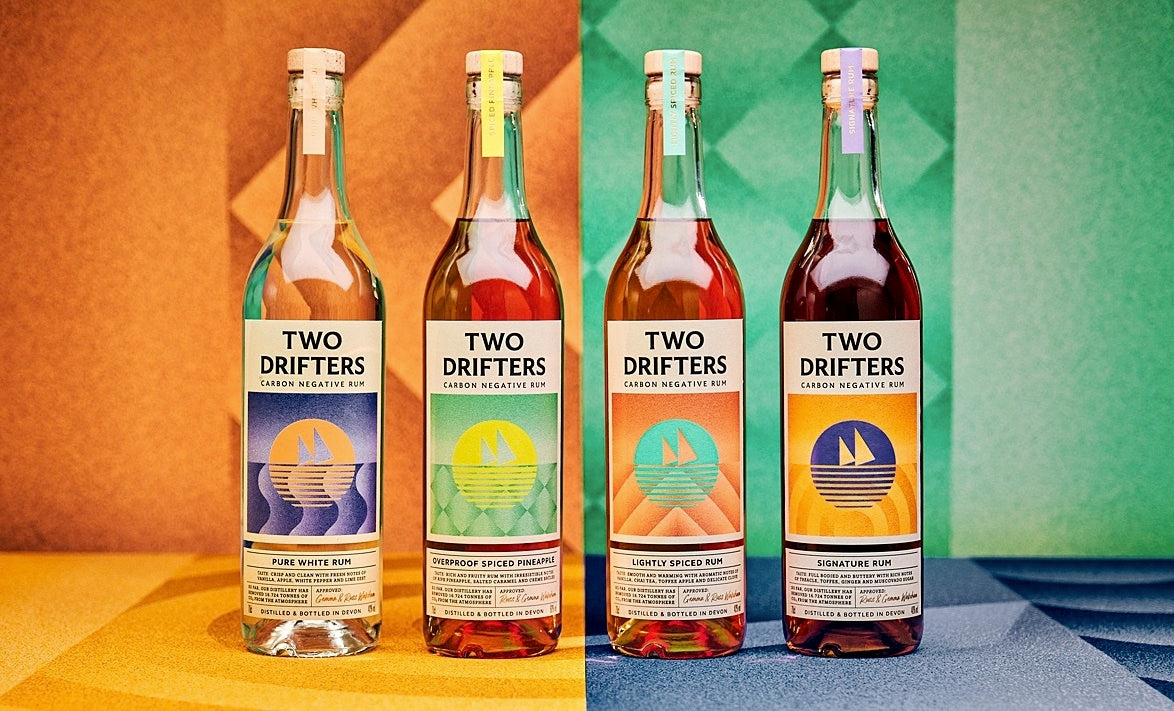
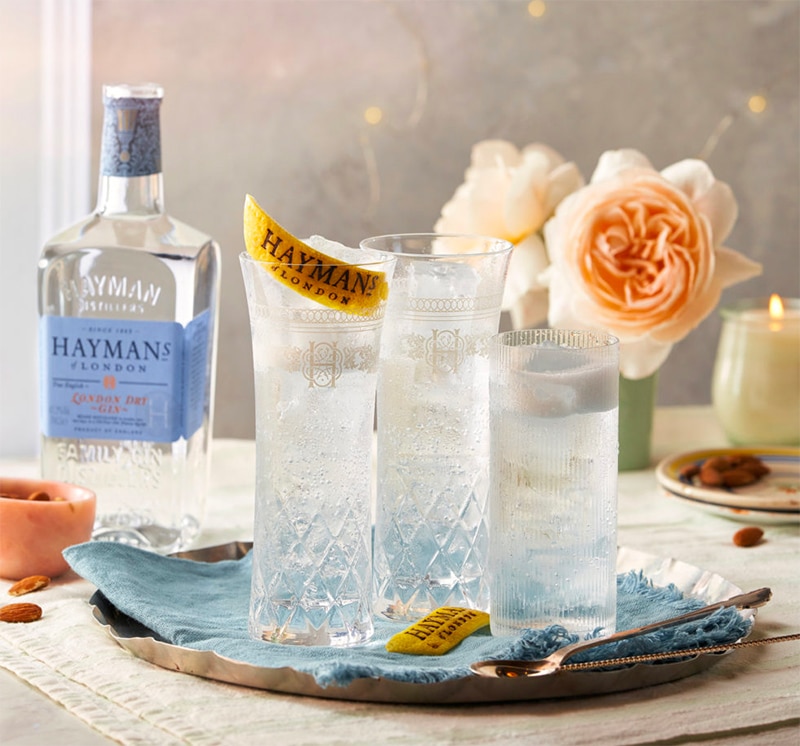
What makes the English scene rewarding for visitors is its variety. You can tour a polished gin landmark like the Bombay Sapphire Distillery at Laverstoke Mill, follow a single malt from mash tun to maturing cask, or sip rum at the Bristol & Bath Rum Distillery and Two Drifters in Exeter. Smaller producers such as Tarquin's Cornish Gin, 6 O'Clock Gin, Chase Distillery, Shed One and The Forest Distillery add genuine character.
Tours typically combine a walk through production with a guided tasting, and most are easy day trips, several within a couple of hours of London or a major city.
What to expect on a tour
A typical English distillery tour runs from around 60 to 90 minutes and walks you through the full production process, often from milling and mashing through to fermentation, the copper stills and, at whisky and rum producers, the maturing casks in the warehouse. Guides at places like White Peak and the Cotswolds Distillery tend to be hands-on and informative, explaining the choices behind grain, botanicals or cane and how local water and climate shape the spirit.
Most visits finish with a tutored tasting. At gin houses such as Bombay Sapphire and Plymouth Gin you might begin with a gin and tonic before sampling the range; whisky distilleries usually offer a flight of new-make spirit and matured expressions. Tiered options are common, from a standard tour to connoisseur or master-distiller experiences with more pours and deeper access. Many sites also have a shop, and several have a cafe, bar or restaurant where you can extend the visit.
Getting there & around
England's distilleries are spread across the country, so plan around the region you want to explore. The Cotswolds Distillery sits in rural Warwickshire and is best reached by car, roughly two hours from London with free parking on site. The Lakes Distillery is near Bassenthwaite in Cumbria, White Peak lies in the Derwent Valley in Derbyshire, and Dartmoor and Two Drifters are in Devon, while Tarquin's and Treguddick are in Cornwall. Bombay Sapphire is at Whitchurch in Hampshire, handy from the south.
City-based sites are the easiest to reach without a car: Plymouth Gin is a short walk from the city centre and harbour, and Bristol's rum and Circumstance distilleries are reachable by train and on foot. For rural distilleries, a car or a pre-arranged tour is usually simplest, and it lets you build in nearby walks, villages or other producers along the way.
Planning your visit
Booking ahead is strongly advised, as many English distilleries run tours only at set times and smaller sites may sell out, especially at weekends and over holidays. Check each distillery's website for the current schedule, the exact meeting point and whether tours run year-round. If you want to taste the spirits, arrange a designated driver or use public transport, since you will be sampling cask-strength whisky and full-strength gin and rum.
Allow more time than the tour length alone, so you can browse the shop, enjoy the tasting unhurried and, at distilleries with a cafe or restaurant such as The Lakes or Cotswolds, stay for a meal. Wear comfortable, flat shoes for production floors, and confirm in advance if you have access needs or are bringing children.
Frequently asked
- Do I need to book a distillery tour in advance?
- Yes, in most cases. The majority of English distilleries run guided tours at fixed times, and popular sites such as Bombay Sapphire, Plymouth Gin, the Cotswolds Distillery and The Lakes can fill up, particularly at weekends and during school holidays. Booking online ahead of your visit secures a slot and confirms exact start times, which can change seasonally.
- How much does a distillery tour cost?
- Prices vary by distillery and by how much access and tasting is included. A standard tour and tasting commonly falls in roughly the mid-teens to around £30 per person, while premium connoisseur or master-distiller experiences with extended tastings cost more. Always check the individual distillery's website for current pricing, as rates change and some offer different tiers.
- How many distilleries can I visit in a day?
- Realistically one or two if you want to enjoy each properly. Tours typically last 60 to 90 minutes before tastings, and England's distilleries are often spread out across counties, so travel time adds up. Clustered areas like Bristol, or Devon and Cornwall, make a two-distillery day more feasible; rural sites are usually best treated as a single, relaxed visit.
- Can I drink the tastings if I'm driving?
- You shouldn't. Tastings involve full-strength spirits, including cask-strength whisky in some cases, and even small measures can put you over the drink-drive limit. Bring a designated driver, use public transport or join an organised tour. Many distilleries will happily provide some samples to take away so a driver doesn't miss out entirely.
- Are distillery tours suitable for children and families?
- It depends on the distillery. Some welcome families and offer soft drinks for younger visitors, while others have a minimum age, especially where tastings are central. If you're planning to bring children, check each distillery's policy before booking, as rules differ and a few tours are strictly for over-18s.
- Are the distilleries accessible for visitors with mobility needs?
- Accessibility varies, particularly at historic sites. Plymouth Gin's Black Friars building dates to the 1400s and several distilleries have older floors, stairs or warehouses that may be difficult to navigate, while newer or larger venues tend to be better equipped. Contact the distillery in advance to discuss step-free routes and any specific requirements so they can advise or adapt the tour.
- What's the best time of year to visit?
- English distilleries welcome visitors year-round, and tasting indoors is enjoyable in any weather. Spring through autumn is ideal if you want to combine a visit with walks in the Cotswolds, the Lake District, Dartmoor or the Derwent Valley. Whatever the season, check the tour schedule ahead, as some smaller distilleries reduce their hours over winter.