
Distillery tours
Distillery Tours in California
Plan a distillery tour in California: 17 distilleries to visit, with tastings and experiences you can book directly. Expect Craft Spirits, Gin, Rum and more. Highlights include Cutwater Spirits, Old Harbor Distilling Co., Malahat Spirits Co..
17distilleries



About distillery tours in California
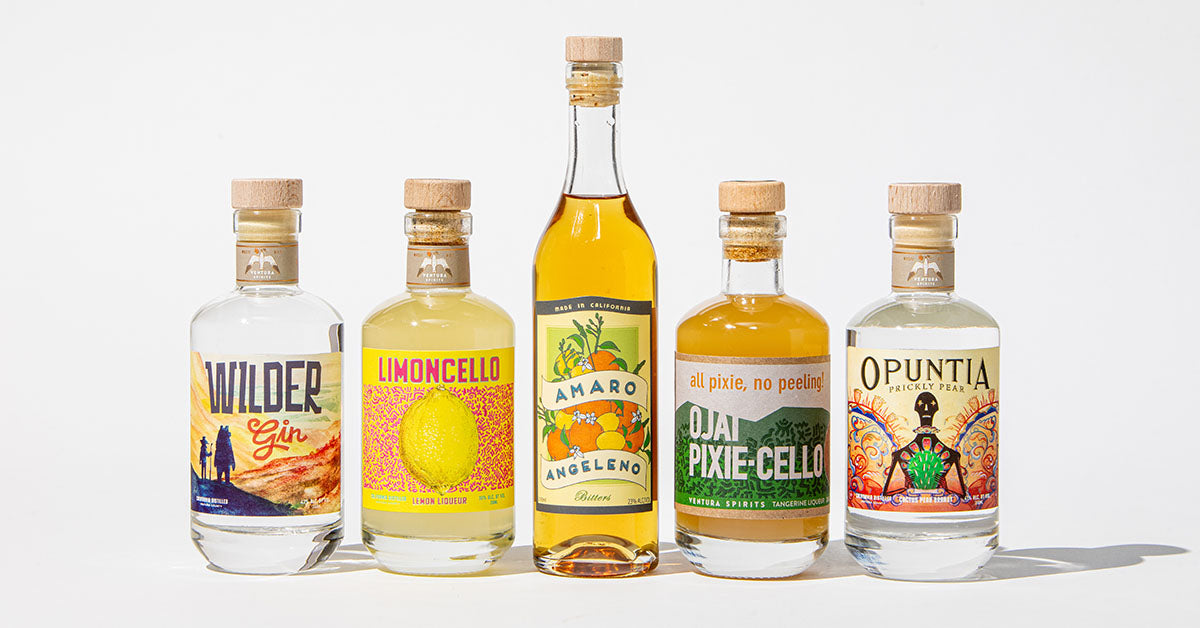
California's distilling story runs deeper than its better-known wine heritage, reaching back to the Gold Rush when prospectors' thirst sustained a first generation of whiskey and brandy makers. Prohibition flattened that scene, and it took decades to recover, but a turning point came in 2016 when state law allowed distilleries with tasting rooms to sell bottles directly to visitors. The result has been a genuine renaissance: roughly 200 licensed craft distilleries now span the state, drawing on California's extraordinary range of fruit, grain and climate to make everything from juniper-forward gins to barrel-aged whiskies, brandies, vodkas, rums, agave spirits and amari.
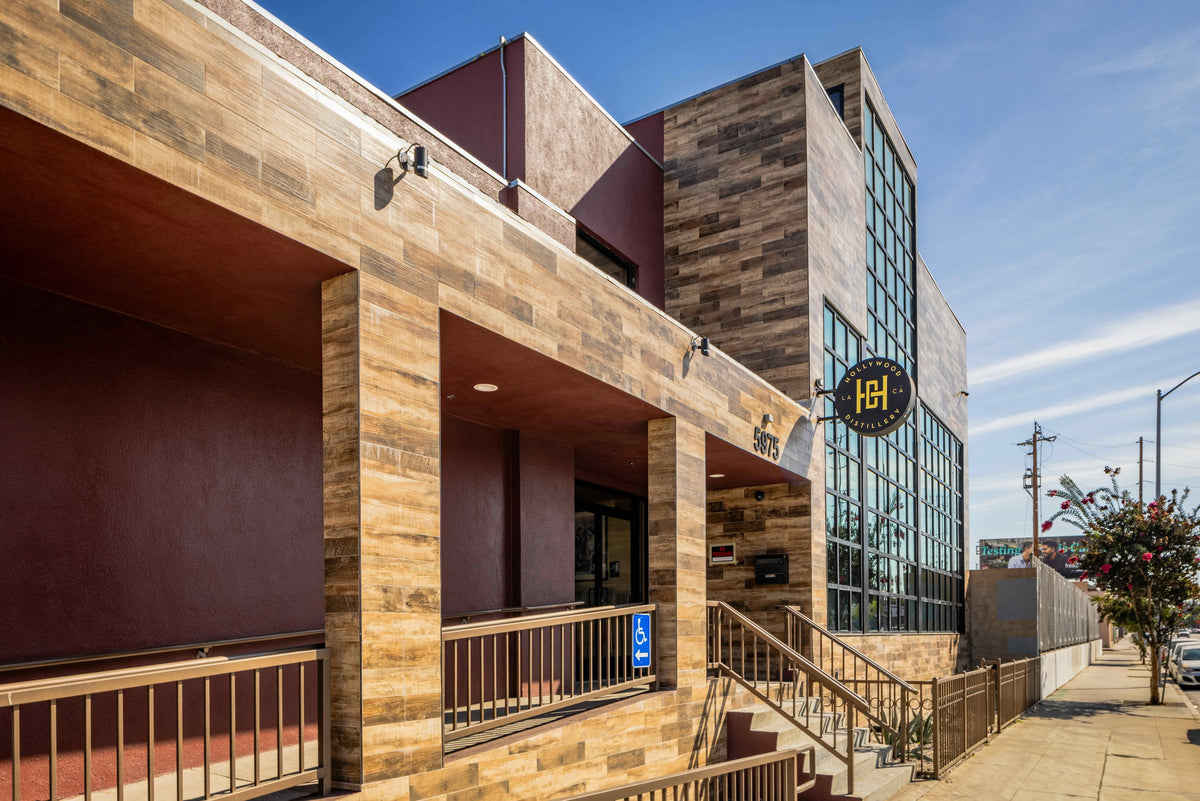
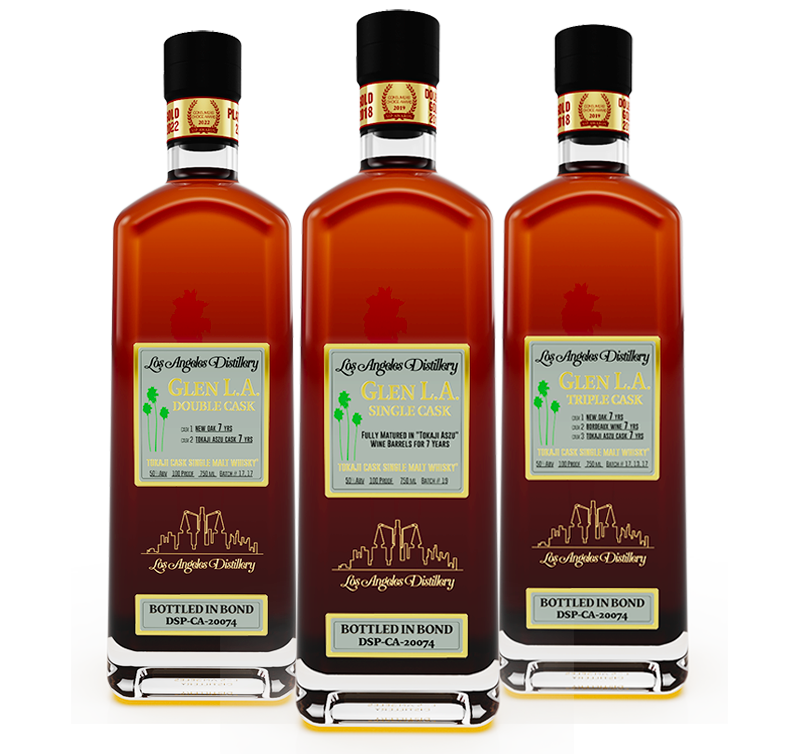
What makes a California distillery trip rewarding is the variety. In the Bay Area and Sonoma, producers such as Griffo Distillery, Hanson of Sonoma Distillery and Spirit Works Distillery work in a region steeped in farm-to-glass thinking, while Charbay Winery & Distillery bridges the wine and spirits worlds. Down south, San Diego's compact scene includes Cutwater Spirits, Old Harbor Distilling Co. and Malahat Spirits Co., and greater Los Angeles is home to Greenbar Distillery, Hollywood Distillery, Los Angeles Distillery and Blinking Owl Distillery in nearby Orange County.
Tours typically pair a walk past the stills with a guided flight of three to six pours, often finished with a cocktail. Many tasting rooms welcome drop-ins, though tours and larger groups usually need booking ahead.
What to expect on a tour
A typical California distillery visit lasts somewhere between 45 minutes and 90 minutes, and most are intimate affairs led by a distiller, founder or knowledgeable tasting-room host rather than a corporate guide. You will usually walk the production floor to see the mash tuns, fermenters and copper or hybrid stills, hear how the base ingredients are sourced (California's bounty of grapes, citrus, grain and botanicals features heavily), and learn the house philosophy before sitting down to taste. Flights generally run from three to six small pours, moving from clear, unaged spirits such as gin and vodka through to barrel-aged whiskies and brandies. Producers like Greenbar Distillery and Spirit Works Distillery are known for making most of their range in-house, so you can often taste an unusually broad line-up in one sitting.
Thanks to a 2016 law and its 2026 expansion, distilleries with tasting rooms can sell bottles directly to visitors, and on-premise cocktails are common too. That means a visit is as much about enjoying a well-made drink on site as it is about education, so plan for it to be a relaxed social stop rather than a quick errand.
Getting there & around
California's distilleries are spread across very different settings, so how you reach them depends on the region. In Los Angeles, San Diego and the Bay Area, many tasting rooms sit in walkable urban or industrial-arts districts, making them easy to reach by rideshare, taxi or public transit, which is by far the smartest option once tastings are involved. Greenbar Distillery in Downtown LA, the cluster of San Diego makers including Cutwater Spirits and Old Harbor Distilling Co., and the Sonoma County producers near Sebastopol and Petaluma can each be strung together into a compact day.
Wine-and-spirits country such as Sonoma, Napa and the Santa Cruz mountains rewards a car, but California's drink-driving limit is strict and tastings add up quickly. Booking a designated driver, joining a small-group tour, or hiring a car service is the responsible and far more enjoyable approach. If you are flying in, the major hubs of LAX, San Diego, San Francisco and Oakland all put you within easy reach of a distilling region.
Planning your visit
Because California's distilleries are scattered across a huge state, it pays to anchor your plans around one region rather than trying to crisscross. A realistic, enjoyable day is two to three distilleries; more than that and the tastings blur together and the driving becomes a chore. Group your stops geographically, for example the Sonoma cluster of Griffo Distillery, Hanson of Sonoma Distillery and Spirit Works Distillery, or the San Diego trio of Cutwater Spirits, Old Harbor Distilling Co. and Malahat Spirits Co.
Check each distillery's website or social channels before you go, as opening hours and tour schedules vary widely and some smaller operations open only at weekends or by appointment. Reserve guided tours in advance, especially for weekends and for any group of four or more, and confirm whether food is available on site or whether you should plan a meal nearby. Bringing water and pacing yourself between pours will make a multi-stop day far more pleasant.
Frequently asked
- Do I need to book a distillery tour in advance?
- For drop-in tastings, many California tasting rooms welcome walk-ins during opening hours. Guided tours that take you onto the production floor usually need booking ahead, and reservations are strongly advised for weekends and for any group of four or more. Smaller distilleries sometimes open only by appointment, so it is always worth checking the website first.
- How much does a distillery tour or tasting cost?
- Prices vary by producer, but a guided tasting flight commonly falls in the rough range of around 10 to 30 US dollars per person, and some distilleries credit the tasting fee toward a bottle purchase. Cocktails are usually charged separately. Always confirm current pricing with the distillery, as it differs from place to place and changes over time.
- How many distilleries can I realistically visit in a day?
- Two to three is the sweet spot. That gives you time for an unhurried tour and tasting at each, plus travel between them and a meal. Attempting more tends to mean rushed visits, palate fatigue and a lot of driving, which undermines the whole experience.
- Can I drive between distilleries if I'm tasting?
- California enforces its drink-driving limit strictly, and even modest tasting flights add up. The sensible plan is a designated driver, a rideshare or taxi, or a small-group tour with transport included. In urban areas such as LA, San Diego and the Bay Area, rideshares make this easy; in wine-and-spirits country, booking a car service is well worth it.
- Are children and families welcome?
- Policies differ. Some tasting rooms, particularly those with a relaxed, food-friendly atmosphere, allow accompanied minors, while others are 21-and-over only because of licensing and the working-distillery environment. If you are travelling with children, contact the distillery ahead of time to confirm their policy.
- Can I buy bottles to take home, and can they ship?
- Yes. Since 2016, California distilleries with tasting rooms can sell bottles directly to visitors, and a 2026 change increased how much you can buy on site in a single day. A new state pilot programme also allows licensed craft distillers to ship limited quantities directly to consumers, subject to permits, adult-signature delivery and quantity limits, so ask the distillery what they currently offer.
- Are distillery tasting rooms accessible for visitors with limited mobility?
- Many urban tasting rooms are step-free and accessible, but older or rural buildings and active production areas can involve stairs, narrow walkways or uneven floors. Accessibility varies considerably between sites, so the best approach is to contact the distillery in advance and explain your needs so they can advise or make arrangements.