
Distillery tours
Distillery Tours in Kentucky
Plan a distillery tour in Kentucky: 35 distilleries to visit, with tastings and experiences you can book directly. Expect Bourbon, Craft Spirits, Gin and more. Highlights include Kentucky Artisan Distillery, Four Roses Distillery, Wild Turkey Distillery.
35distilleries
Kentucky Artisan Distillery
Independent craft distillery, home of Jefferson's
Michter's Fort Nelson Distillery
Historic Fort Nelson distillery on Whiskey Row



Evan Williams Bourbon Experience
Immersive bourbon experience on Whiskey Row


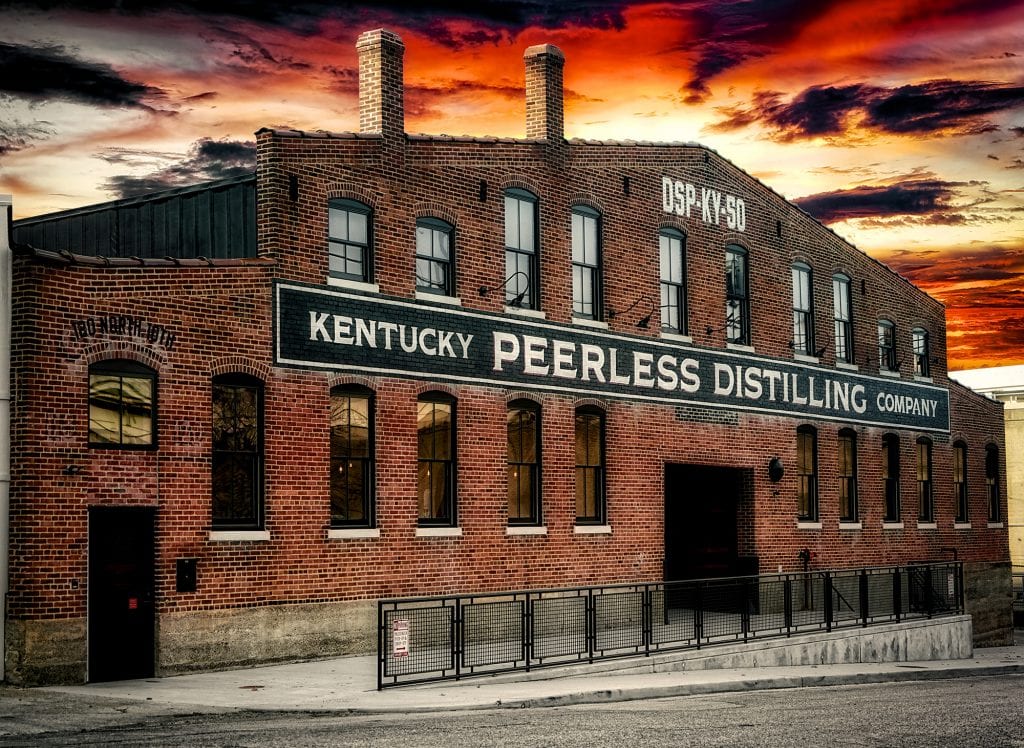
Limestone Branch Distillery
Seventh-generation Beam-family distillers in Lebanon
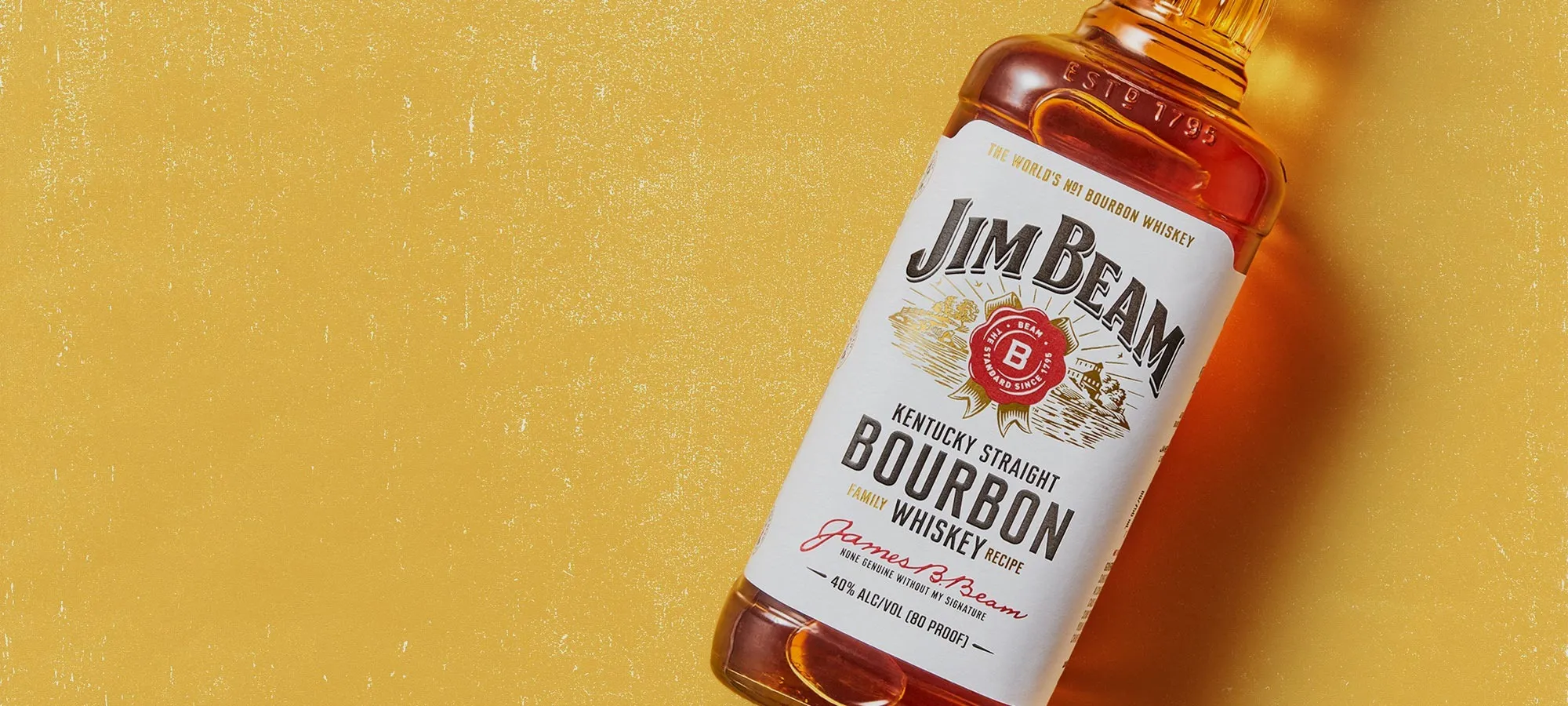
James B. Beam Distilling Co. (Jim Beam American Stillhouse)
Flagship Jim Beam stillhouse and rackhouse
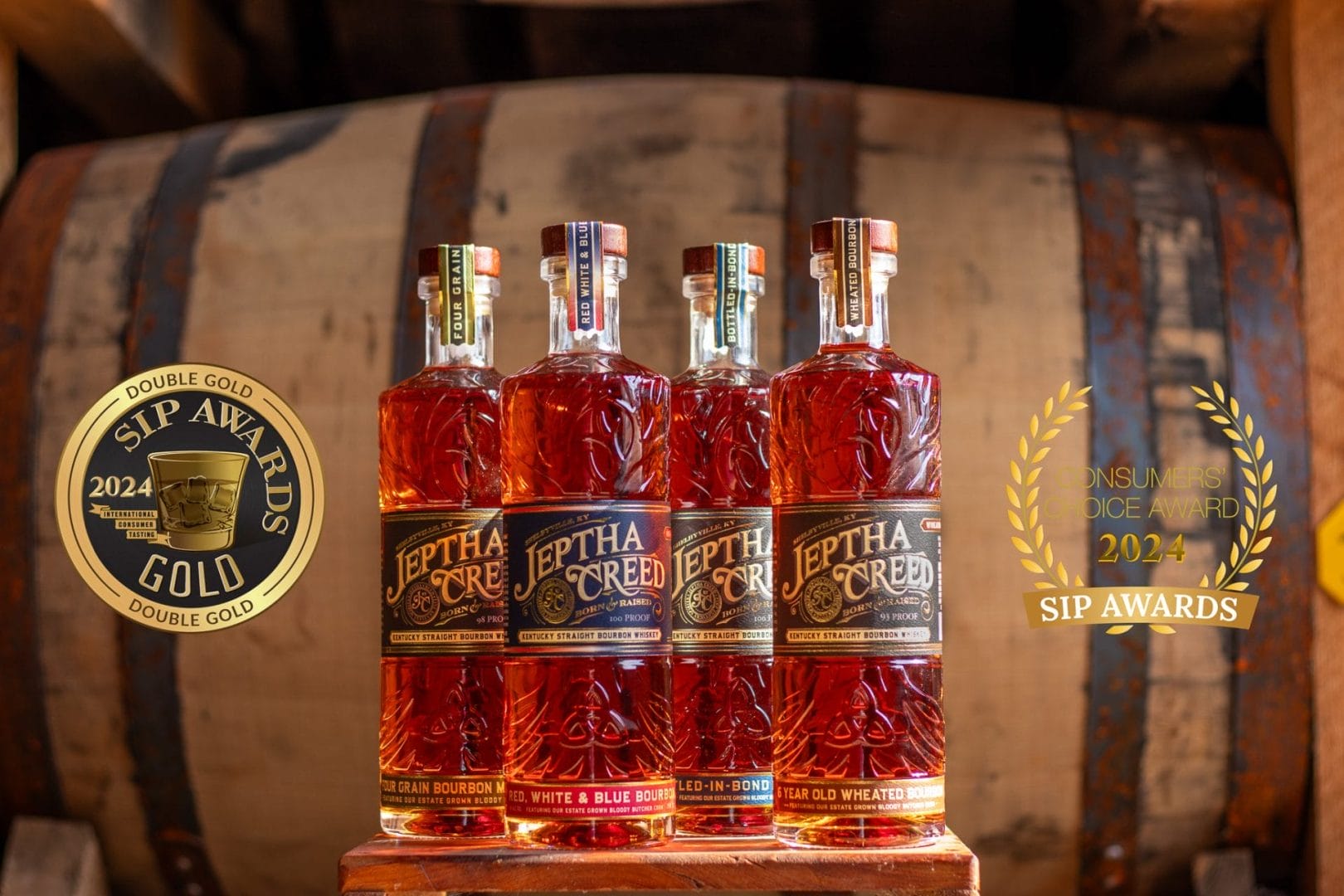
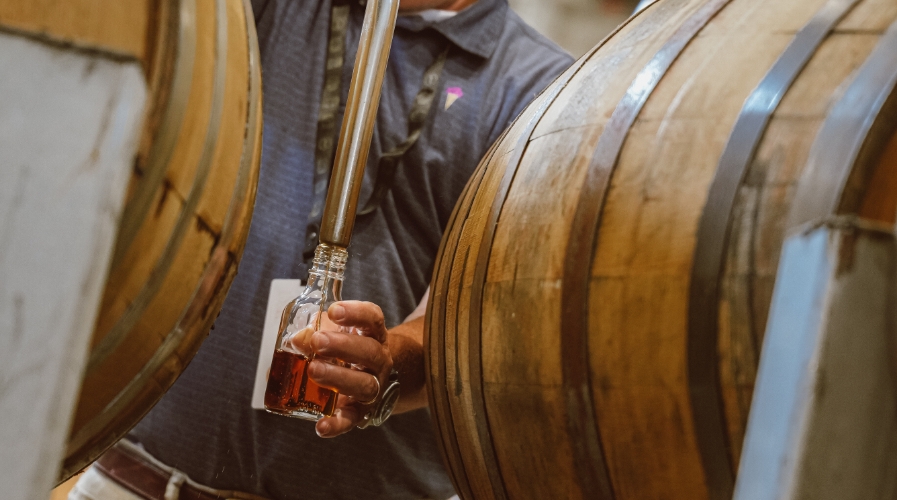



Neeley Family Distillery
Generations of moonshining tradition in northern Kentucky
About distillery tours in Kentucky
Kentucky is, by almost any measure, the spiritual home of American whiskey. The overwhelming majority of the world's bourbon is made here, and the reasons are written into the landscape: vast deposits of blue limestone filter the water clean of iron while adding the calcium and magnesium that keep yeast happy, the fertile soil grows the corn at the heart of every mash bill, and the state's dramatic swings between hot summers and cold winters push the spirit in and out of charred oak, drawing out caramel, vanilla and spice over years in the rickhouse. Distilling families have passed their craft down through generations here, and that continuity is something you can still taste.
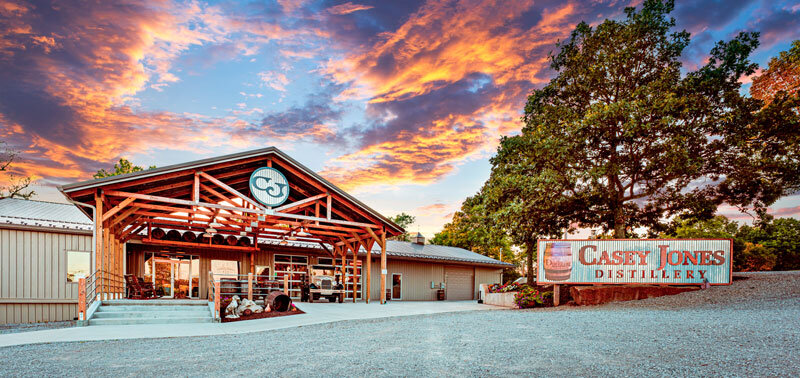
For visitors, the appeal is the sheer range. You can stand inside Buffalo Trace, among the oldest continuously operating distilleries in the country, then drive twenty minutes to the restored grandeur of Castle & Key. Louisville's urban distilleries like Angel's Envy and Copper & Kings sit within walking distance of bars and restaurants, while Bardstown Bourbon Company and Barton 1792 anchor the self-styled Bourbon Capital of the World. Smaller, farm-based operations such as Bluegrass Distillers and Casey Jones, out in Western Kentucky, offer a more intimate, hands-on view.
Tours typically run from a brisk tasting-room visit to a full ninety-minute walk through milling, fermentation, distillation and ageing, finishing with a guided flight. There is genuinely something for every level of curiosity.
What to expect on a tour
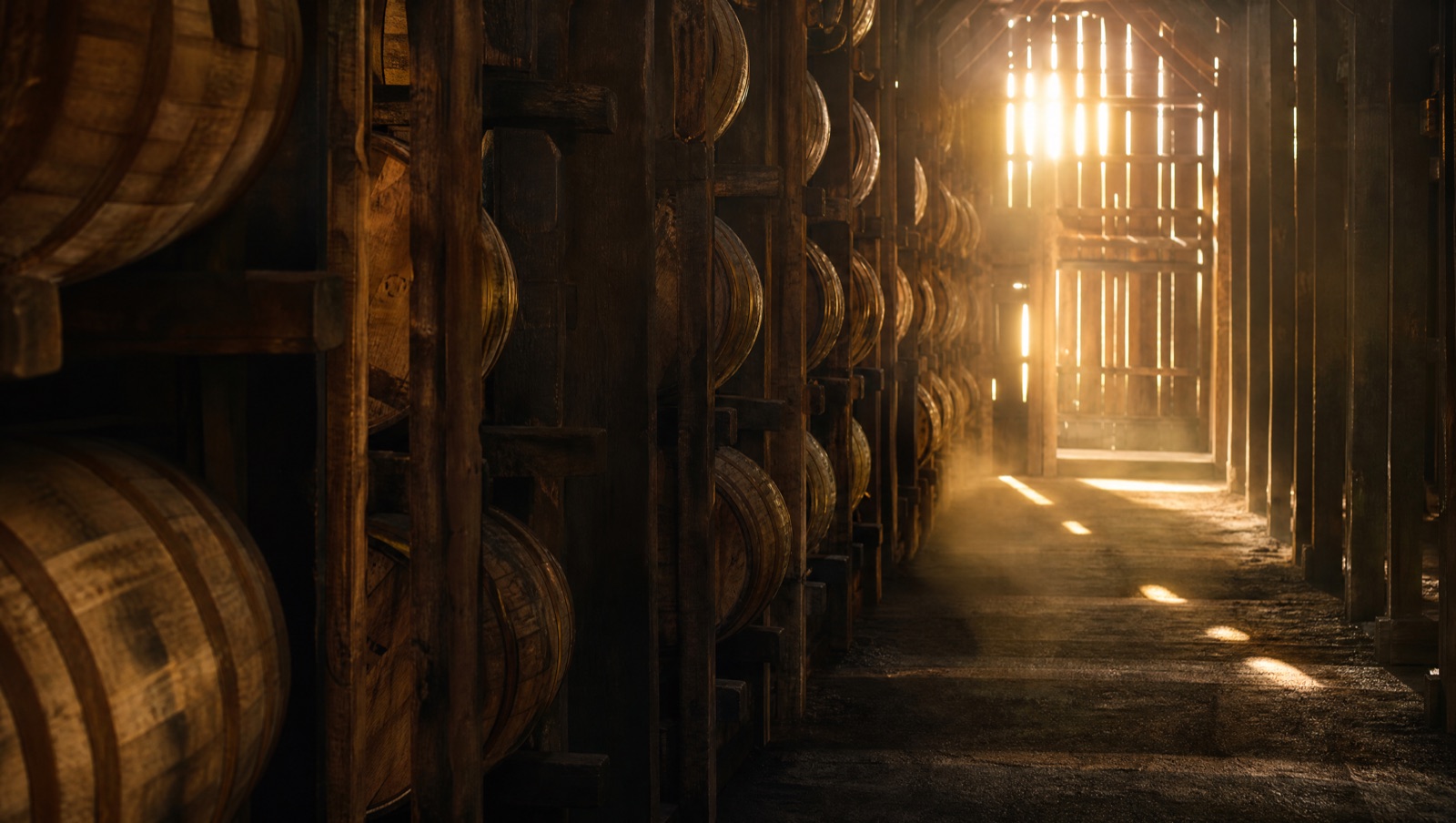
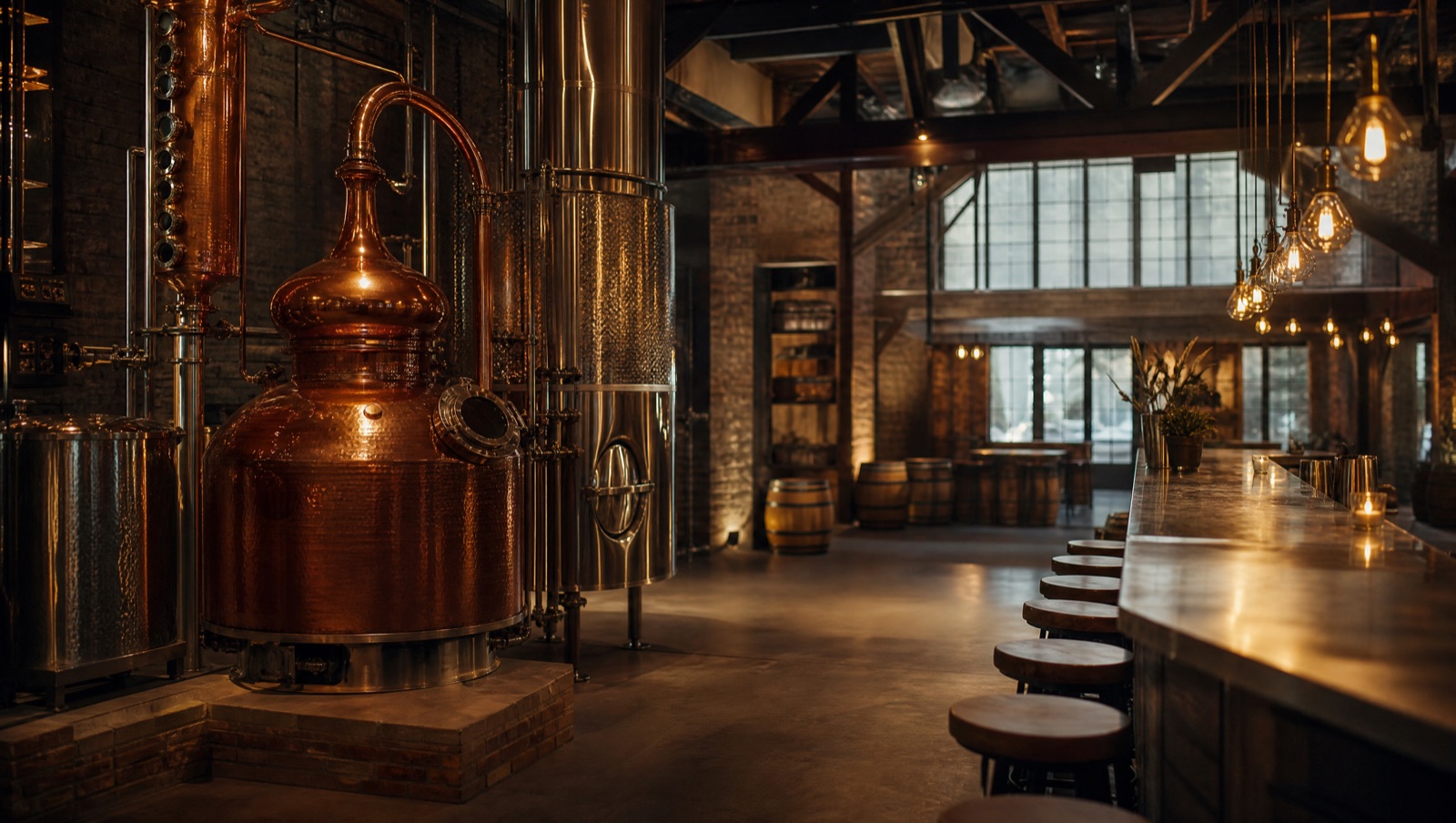
A standard Kentucky distillery tour lasts around an hour to ninety minutes and follows the spirit from grain to glass. You will usually start at the grain handling and mash cookers, move past the open fermenters (the bubbling, bready smell is part of the experience), see the towering copper column or pot stills, and end in a rickhouse where barrels age in stacked tiers. Many guides will let you dip a finger into the fermenting mash and explain how the angel's share evaporates over the years. Almost every tour closes with a seated tasting, often three to five pours ranging from white dog to flagship bourbons and limited releases.
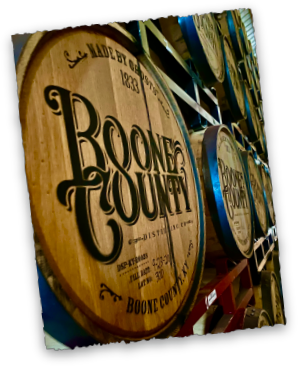
The character varies enormously by site. Large operations such as Buffalo Trace and Barton 1792 are working industrial campuses with deep history and, in some cases, free standard tours. Boutique and farm distilleries like Bluegrass Distillers, Boone County and Casey Jones tend to be smaller and more conversational, sometimes led by the people who actually make the whiskey. Urban stops such as Angel's Envy, Copper & Kings and Bourbon 30 fold in rooftop bars, brandy cellars or cocktail experiences alongside the production tour.
Getting there & around
Most visitors base themselves in Louisville, Lexington, Bardstown or Frankfort, all within easy reach of one another in central Kentucky. Louisville International Airport and Lexington's Blue Grass Airport are the usual arrival points, and the region is genuinely built around the car: distilleries are often a fifteen to thirty minute drive apart along country roads, so a hire car gives you the most freedom. Bardstown, the so-called Bourbon Capital, makes a charming small-town base with several distilleries clustered nearby.
Because tastings are part of the day, many travellers book a guided shuttle or chauffeured tour, especially for full-day itineraries taking in multiple stops. These handle the driving and the timing between sites, which removes any temptation to get behind the wheel after sampling. Note that a handful of the listed distilleries sit well outside the central cluster: Casey Jones is in Hopkinsville in Western Kentucky, Dueling Grounds is down near Franklin on the Tennessee line, and Boone County and Augusta lie in the north near the Ohio River, so build extra drive time into your plan if those are on your list.
Frequently asked
- Do I need to book distillery tours in advance?
- For the larger and more popular distilleries, yes. Tour slots at places like Buffalo Trace and Bardstown Bourbon Company can fill days or weeks ahead, particularly at weekends and during peak autumn months. Smaller farm distilleries sometimes accept walk-ins, but booking online is always the safer bet, and it lets you line up tour times so they don't overlap.
- How much do tours and tastings cost?
- Prices vary widely. A few distilleries, most famously Buffalo Trace, offer free standard tours, while most charge a modest fee that typically includes a guided tasting. More elaborate experiences, such as single-barrel selections, premium flights or hands-on bottling, cost more. Expect a broad range and check each distillery's current pricing when you book, as it changes from site to site and season to season.
- How many distilleries can I realistically visit in a day?
- Two to three is the comfortable sweet spot. Tours run an hour or more, and you'll lose time driving between sites and stopping for lunch. Trying to cram in four or five tends to mean rushing, and with tastings involved, pacing yourself is wise. A two- to five-day trip lets you cover a region properly without it feeling like a checklist.
- Can I drive between distilleries if I'm doing tastings?
- You can drive, but you shouldn't drink and then drive. Tastings are central to the experience, so most visitors either nominate a non-drinking driver, book a guided shuttle or chauffeured tour, or spit and pour out samples to stay under the limit. Many distilleries will happily give you unsampled pours to take away in sealed containers so you can enjoy them later.
- Are the distilleries suitable for children and families?
- Policies differ. Some distilleries welcome accompanied minors on the production tour even though they can't taste, while others restrict access for safety reasons around the working areas. Tasting itself is strictly for those of legal drinking age, which is 21 in the United States, and you'll need photo ID. If you're travelling with children, check each distillery's family policy before you go.
- When is the best time to visit?
- Spring and autumn are ideal, with mild weather and, in autumn, the bonus of the bourbon harvest season and various festivals. Summer is busy and can be hot and humid inside the rickhouses, while winter is quieter but some smaller distilleries reduce their tour schedules. Whenever you go, weekdays are generally calmer than weekends.
- Are the distilleries accessible for visitors with mobility needs?
- Many larger distilleries have made significant accessibility improvements, with step-free routes, lifts and accessible tasting rooms, though working production buildings and historic rickhouses can involve stairs, uneven ground or narrow spaces. Older and farm-based sites may be more limited. It's best to contact the distillery directly ahead of your visit to confirm what's possible and to arrange any assistance.