
Bourbon · Colorado
Bourbon Distilleries in Colorado
Tour 7 bourbon distilleries in Colorado. Each offers visits, tastings or experiences you can book directly — including Mythology Distillery, Feisty Spirits Distillery, Bear Creek Distillery.
7distilleries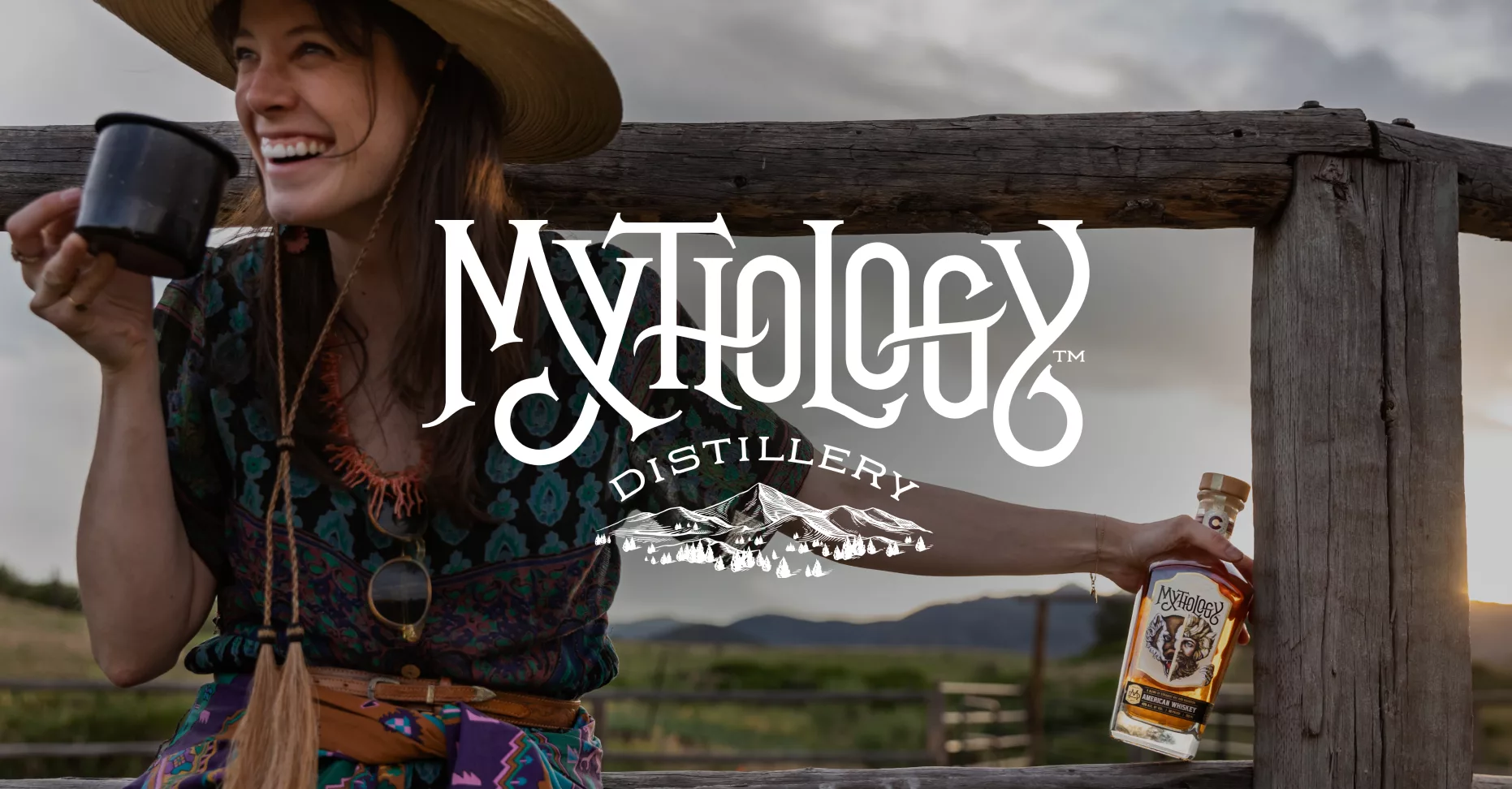


About bourbon distilleries in Colorado
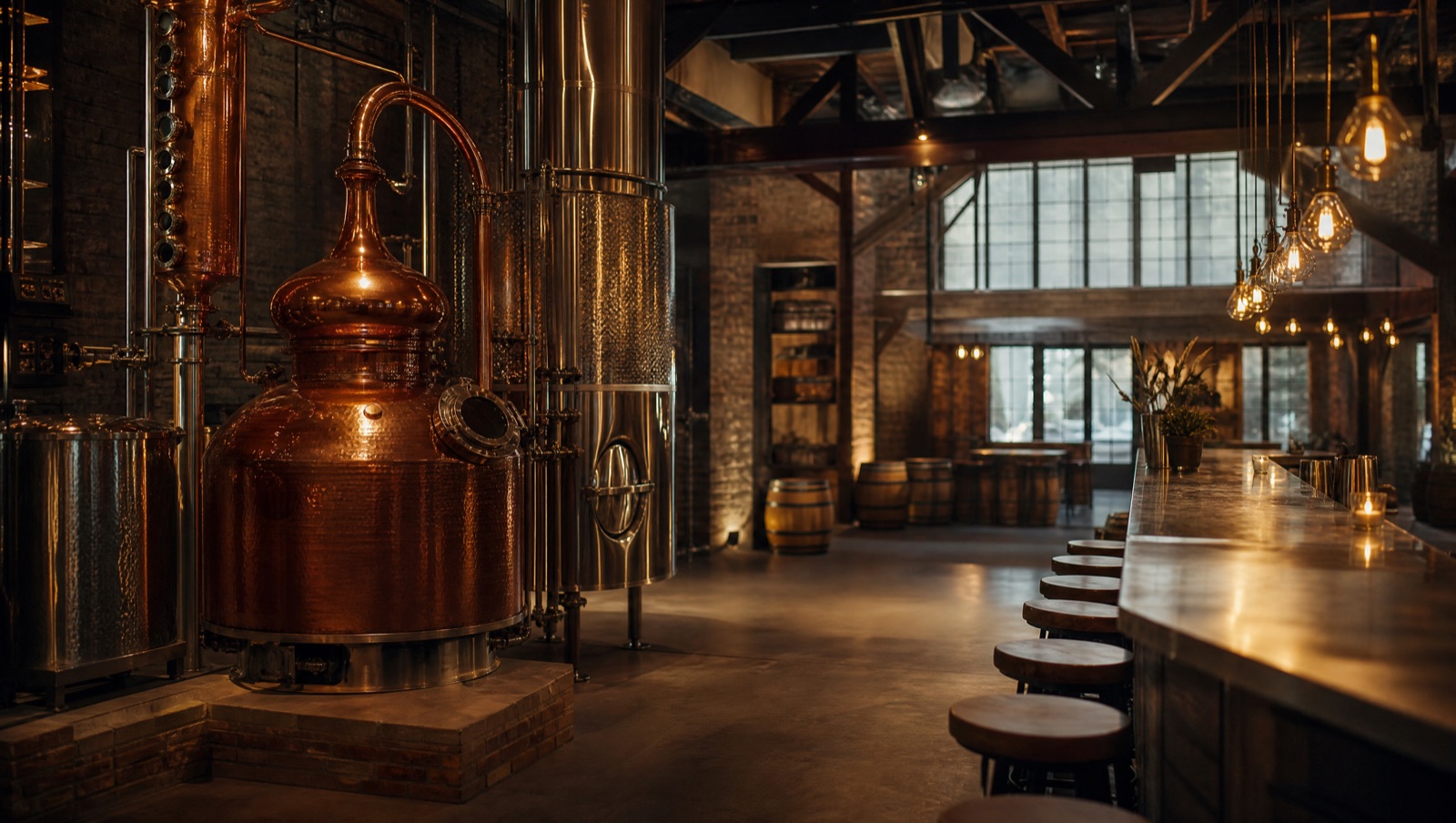
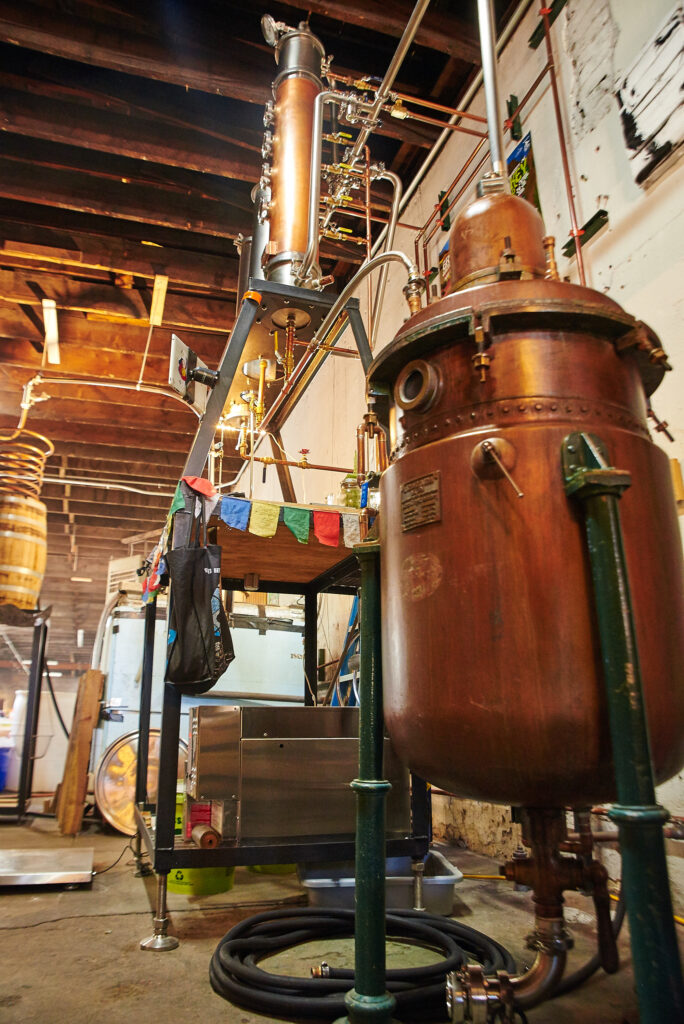
Colorado has become one of the most compelling bourbon destinations outside the traditional South, and altitude is the headline. With Denver sitting a mile high and distilleries climbing far higher into the Rockies, Colorado bourbon matures in thin mountain air and dramatic temperature swings that push spirit deep into the oak and back out again, building flavour quickly and intensely. Combine that with pure mountain water and the grain grown across the state's plains and valleys, and you have the makings of a genuinely regional whiskey style. The modern era began with Colorado's first microdistillery in the mid-2000s, and a wave of ambitious craft producers has followed. Old Elk Distillery has become one of the best-known names, while Bear Creek Distillery, Mythology Distillery, State 38 Distilling, Branch & Barrel Distilling, Feisty Spirits Distillery and Wood's High Mountain Distillery each bring their own take on the grain. For visitors, touring Colorado bourbon pairs serious whiskey with spectacular surroundings, from Denver's urban tasting rooms to high-country distilleries near the slopes.
What makes bourbon here special
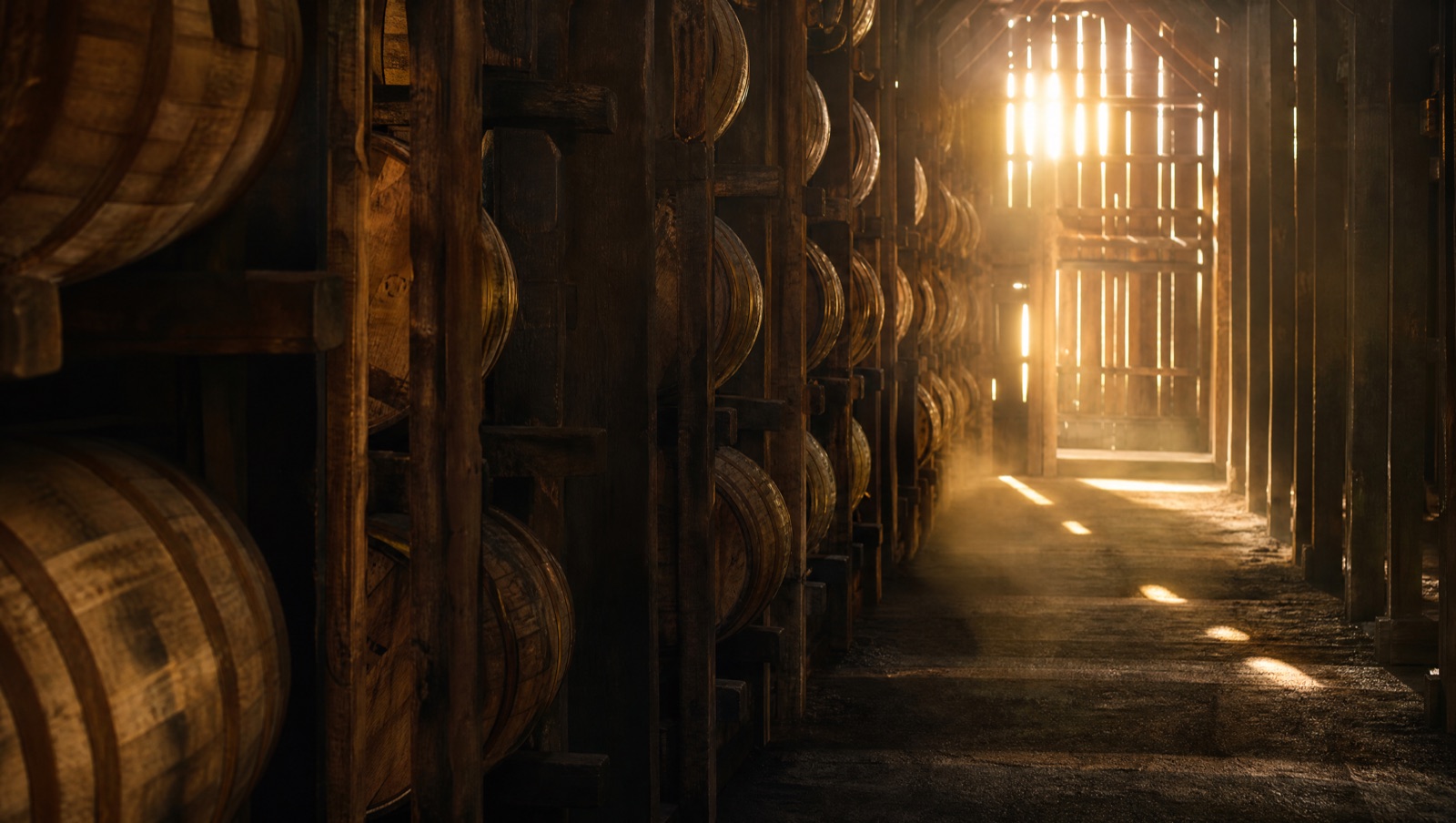
The defining factor in Colorado bourbon is the climate. At elevation, the air is thin and the temperature can swing dramatically between day and night and across the seasons. Barrels respond by breathing harder, drawing spirit into the oak and releasing it again with each shift, which accelerates maturation and concentrates flavour. The result is bourbon that can show depth and smoothness at relatively young ages. Pure mountain water is a second asset, and many distillers lean on locally grown grain, with Colorado's plains and valleys well suited to corn, rye and barley. That commitment to local sourcing gives the category its character. Producers such as Old Elk Distillery and Branch & Barrel Distilling have built reputations on careful grain selection and ageing, while Wood's High Mountain Distillery in the mountains exemplifies the high-altitude maturation that sets Colorado bourbon apart.
What to expect from a bourbon tasting
A Colorado bourbon tasting typically runs as a guided flight, often comparing the house's flagship bourbon against higher-proof, single-barrel or longer-aged expressions, and frequently against its rye and other whiskeys too. Staff are usually keen to explain mash bills, grain sourcing and how altitude shapes maturation, which makes these tastings genuinely informative. At distilleries like Old Elk and Branch & Barrel you can expect a focus on the whiskey itself, while spots such as Bear Creek Distillery and Mythology Distillery in Denver pair tastings with lively bars and cocktail menus. Pours are small and measured. It's worth asking about single-barrel and cask-strength releases, which often best showcase what Colorado's climate does to a barrel. Many tasting rooms double as social spaces, so you can sample neat and then try the same bourbon in a cocktail.
Planning your visit
Colorado's bourbon distilleries split usefully between Denver and the mountains. The Denver metro is the hub, with the likes of Bear Creek Distillery, Mythology Distillery and others reachable across the city, making it easy to visit several by rideshare in a day. Old Elk Distillery sits to the north around Fort Collins, while State 38 Distilling and Branch & Barrel Distilling extend the map further, and Wood's High Mountain Distillery rewards a trip into the high country near the ski resorts. Plan around the season and the driving: mountain distilleries are spectacular but involve longer journeys and winter weather. Confirm opening hours and tour times directly before travelling, since small producers adjust schedules, and always use a designated driver or rideshare. Pacing yourself across small flights lets you appreciate the altitude-driven character without rushing.
Frequently asked
- What makes Colorado bourbon different?
- High-altitude maturation is the key. Thin mountain air and dramatic temperature swings make barrels breathe harder, accelerating ageing and concentrating flavour. Combined with pure mountain water and locally grown grain, this gives Colorado bourbon a distinctive depth and smoothness.
- Which Colorado distilleries make bourbon?
- Well-regarded names include Old Elk Distillery, Bear Creek Distillery, Mythology Distillery, State 38 Distilling, Branch & Barrel Distilling, Feisty Spirits Distillery and Wood's High Mountain Distillery, spread between Denver and the mountains.
- Does altitude really affect bourbon?
- Yes. At elevation, larger and faster temperature changes cause barrels to expand and contract more, drawing spirit in and out of the oak more aggressively. This interaction builds flavour faster and more intensely than in many lower, more stable climates.
- Where should I start a Colorado bourbon trip?
- Denver is the natural hub, with several distilleries reachable across the metro area by rideshare in a day. From there you can extend north toward Fort Collins for Old Elk, or head into the mountains for high-altitude producers like Wood's High Mountain Distillery.
- Can I tour Colorado bourbon distilleries?
- Yes. Most offer tasting rooms with guided flights, and many provide tours of production. Several Denver distilleries also operate as bars with cocktail menus. Hours and tour availability vary, so check directly and book ahead for weekends.
- When is the best time to visit Colorado distilleries?
- Distilleries are open year-round, but mountain trips are easier outside deep winter when roads and weather can be challenging. Denver-area visits are comfortable in any season. Always confirm current hours before travelling.
- What should I look for on a Colorado bourbon tasting?
- Ask about single-barrel and cask-strength releases, which best reveal what the high-altitude climate does to a barrel. Comparing the flagship bourbon against longer-aged or higher-proof expressions is a great way to taste the regional character.