
Bourbon · Tennessee
Bourbon Distilleries in Tennessee
Tour 8 bourbon distilleries in Tennessee. Each offers visits, tastings or experiences you can book directly — including Short Mountain Distillery, Old Dominick Distillery, Leiper's Fork Distillery.
8distilleries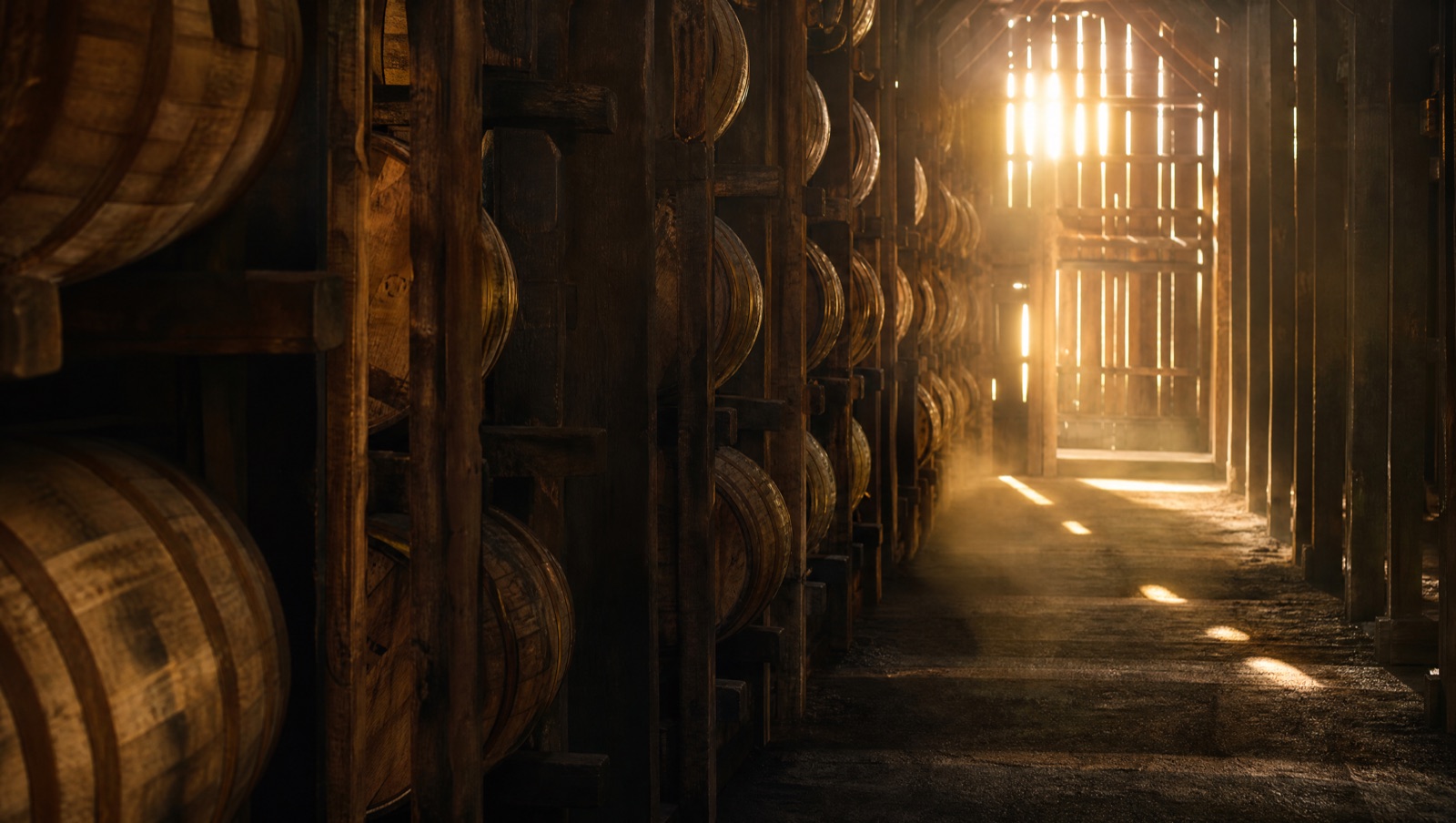

Chattanooga Whiskey Experimental Distillery
Downtown Tennessee high-malt bourbon, daily tours
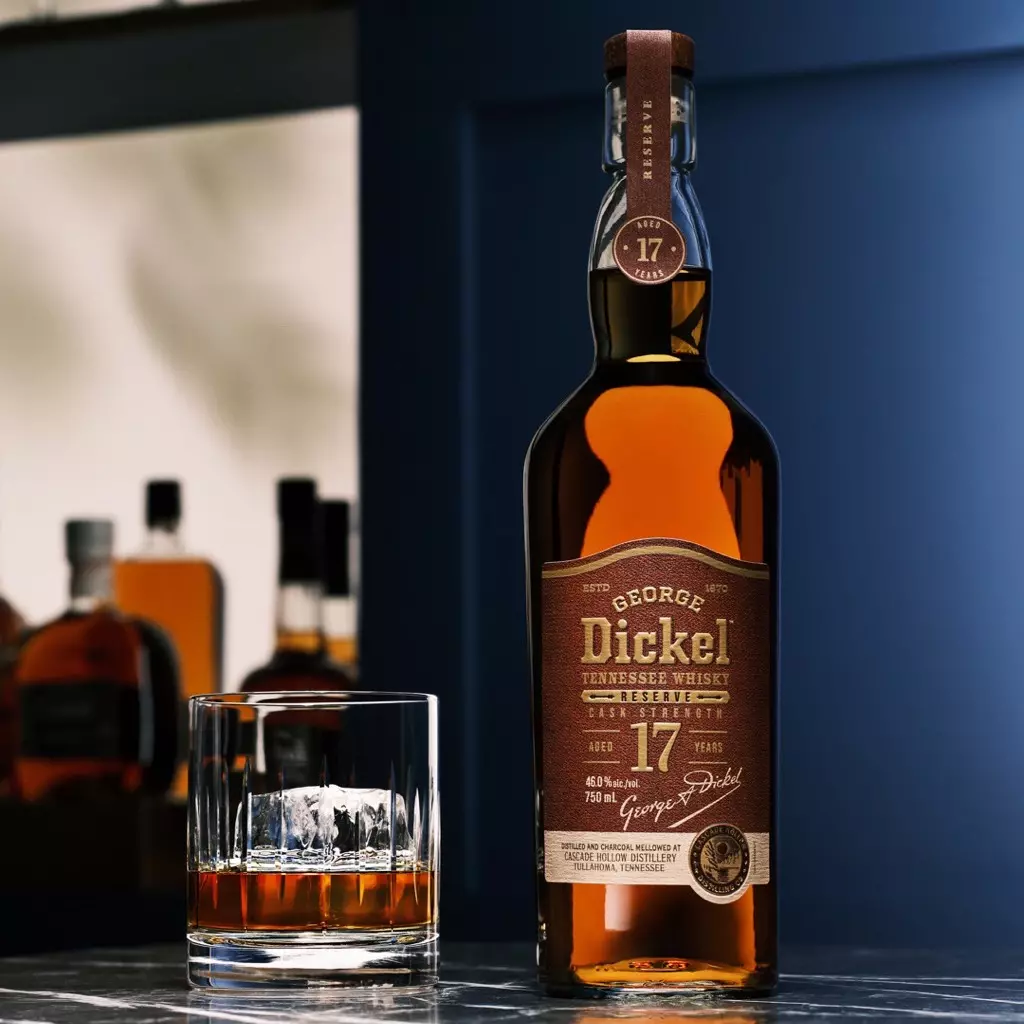
George Dickel (Cascade Hollow Distilling Co.)
Tennessee whisky in scenic Cascade Hollow

About bourbon distilleries in Tennessee
Mention Tennessee and most spirits lovers think of Tennessee whiskey, the charcoal-mellowed style that built the state's reputation. But bourbon has carved out its own thriving place here, and a new generation of distilleries is proving that the Volunteer State makes far more than one kind of brown spirit. Legally, bourbon and Tennessee whiskey are close cousins: both rest on a mash bill of at least 51 per cent corn and mature in new charred oak. The defining difference is the Lincoln County Process, the optional charcoal filtration step that gives Tennessee whiskey its signature smoothness. Plenty of Tennessee producers make bourbon proper, sometimes alongside their charcoal-mellowed expressions, and the contrast is half the fun of visiting. Names such as Chattanooga Whiskey, George Dickel's Cascade Hollow Distilling Co., Leiper's Fork Distillery, Old Dominick Distillery and Short Mountain Distillery span the spectrum from heritage operations to ambitious craft newcomers. Touring here means tasting bourbon in the place where it shares a border, and a long history, with one of America's most distinctive whiskey traditions. Many of these distilleries sit on the Tennessee Whiskey Trail, which threads more than two dozen stops across the state.
What makes Tennessee bourbon distinctive
The most interesting thing about bourbon in Tennessee is the company it keeps. Because the state is so closely associated with charcoal-mellowed whiskey, producers here are unusually fluent in the technical distinctions, and a good tour will explain exactly where bourbon and Tennessee whiskey diverge. Both styles share the same legal backbone, at least 51 per cent corn in the mash and ageing in new charred oak, but Tennessee whiskey adds the Lincoln County Process, in which the new spirit is filtered through several feet of sugar-maple charcoal before barrelling. That step removes harsher grain notes rather than adding flavour, so tasting a distillery's bourbon and its mellowed whiskey side by side is a genuinely revealing exercise. Craft producers such as Chattanooga Whiskey, whose Experimental Distillery is built around small-batch innovation, and grain-to-glass operations like Leiper's Fork Distillery and Short Mountain Distillery bring fresh interpretations, while George Dickel's Cascade Hollow Distilling Co. offers the heritage perspective in an idyllic country setting.
What to expect from a bourbon tasting
Tennessee distillery visits range from polished heritage tours to hands-on craft experiences, but the bourbon tasting itself usually follows a familiar arc: a walk through the mash, fermentation and stills, a look at the rickhouse or barrel store, and a guided flight to finish. At a place like Cascade Hollow, set in peaceful, wooded countryside with a stream running through it, the emphasis is on the long-established process and sense of place. At craft sites such as Old Dominick Distillery in Memphis, Knox Whiskey Works in Knoxville or H Clark Distillery, you are more likely to meet the makers and taste younger, experimental expressions. Many distilleries pour their bourbon alongside other spirits, so do not be surprised to find a mellowed Tennessee whiskey, a rye or even a gin in the same flight. Ask your guide to point out where the Lincoln County Process does and does not feature; it is the single best way to understand what you are drinking.
Planning your visit
Tennessee's bourbon distilleries are spread across the state, so it helps to think regionally. The Nashville area and the surrounding countryside, including Leiper's Fork Distillery, Short Mountain Distillery and Cascade Hollow Distilling Co., make a natural cluster for a touring weekend. Chattanooga offers its own focal point around Chattanooga Whiskey and its Experimental Distillery, while Memphis is anchored by Old Dominick Distillery and Knoxville by Knox Whiskey Works. The Tennessee Whiskey Trail, which links more than twenty-five distilleries statewide, is a useful planning framework if you want to string several stops together. Tour times and tasting formats vary widely, from drop-in flights to scheduled experiences, so check ahead and book where you can, particularly at the larger heritage sites. As always with full-strength spirits, line up a designated driver, a rideshare or an organised tour rather than driving between stops.
Frequently asked
- What is the difference between bourbon and Tennessee whiskey?
- They are made almost identically, with a mash of at least 51 per cent corn and maturation in new charred oak. The key difference is the Lincoln County Process: Tennessee whiskey is filtered through sugar-maple charcoal before ageing, which smooths the spirit. Bourbon skips that step, so distilleries that make both offer an instructive comparison.
- Can you actually drink bourbon, not just Tennessee whiskey, in Tennessee?
- Absolutely. Many Tennessee distilleries produce bourbon, sometimes alongside their charcoal-mellowed whiskeys. Craft producers in particular, such as Chattanooga Whiskey, Leiper's Fork Distillery and Old Dominick Distillery, have made bourbon a central part of their range.
- What is the Lincoln County Process?
- It is the charcoal-mellowing step that legally defines Tennessee whiskey. The new-make spirit is filtered through roughly ten to twelve feet of sugar-maple charcoal before going into the barrel. It removes harsher grain character rather than adding flavour, which is why Tennessee whiskey is known for its smoothness. Bourbon is not required to undergo it.
- Which Tennessee distilleries are best for a first bourbon trip?
- George Dickel's Cascade Hollow Distilling Co. is a scenic, heritage-style stop in the countryside, while Chattanooga Whiskey, Leiper's Fork Distillery and Old Dominick Distillery offer engaging craft experiences. Your choice depends on which region you are based in, since they are spread across the state.
- Are the distilleries close enough to combine in one trip?
- Some are. The Nashville area and nearby countryside, including Leiper's Fork Distillery, Short Mountain Distillery and Cascade Hollow Distilling Co., form a convenient cluster. Others, like Chattanooga Whiskey, Old Dominick Distillery in Memphis and Knox Whiskey Works in Knoxville, anchor their own cities and are better treated as separate destinations.
- Is there an organised route for visiting Tennessee distilleries?
- Yes. The Tennessee Whiskey Trail links more than twenty-five distilleries across the state and is a handy framework for planning a multi-stop itinerary. Many of the bourbon-producing distilleries here are part of it, and several tour operators build trips around it.