
Distillery tours
Distillery Tours in Tennessee
Plan a distillery tour in Tennessee: 14 distilleries to visit, with tastings and experiences you can book directly. Expect Craft Spirits, Bourbon, Gin and more. Highlights include Short Mountain Distillery, Ole Smoky Distillery, Old Dominick Distillery.
14distilleries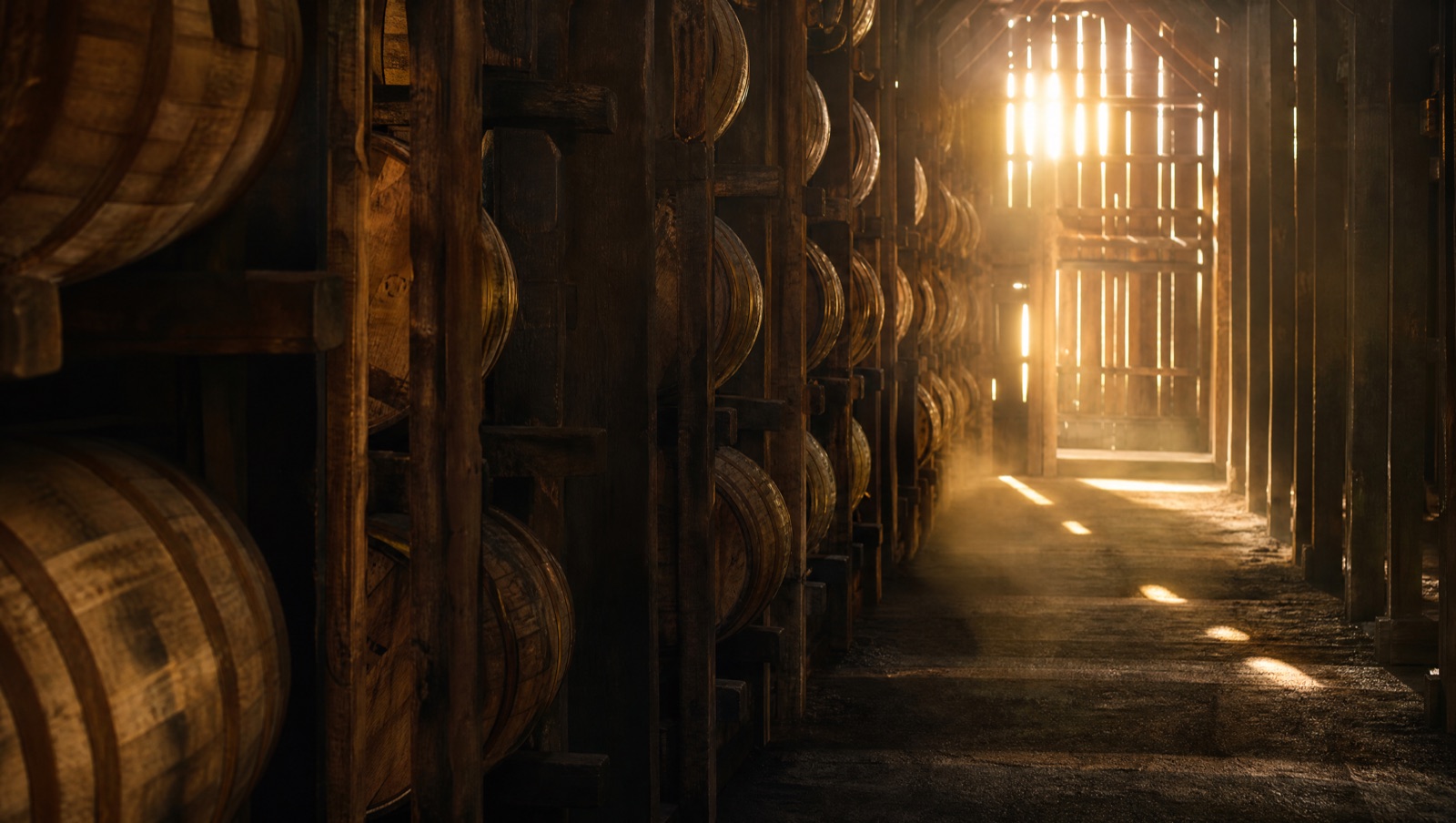
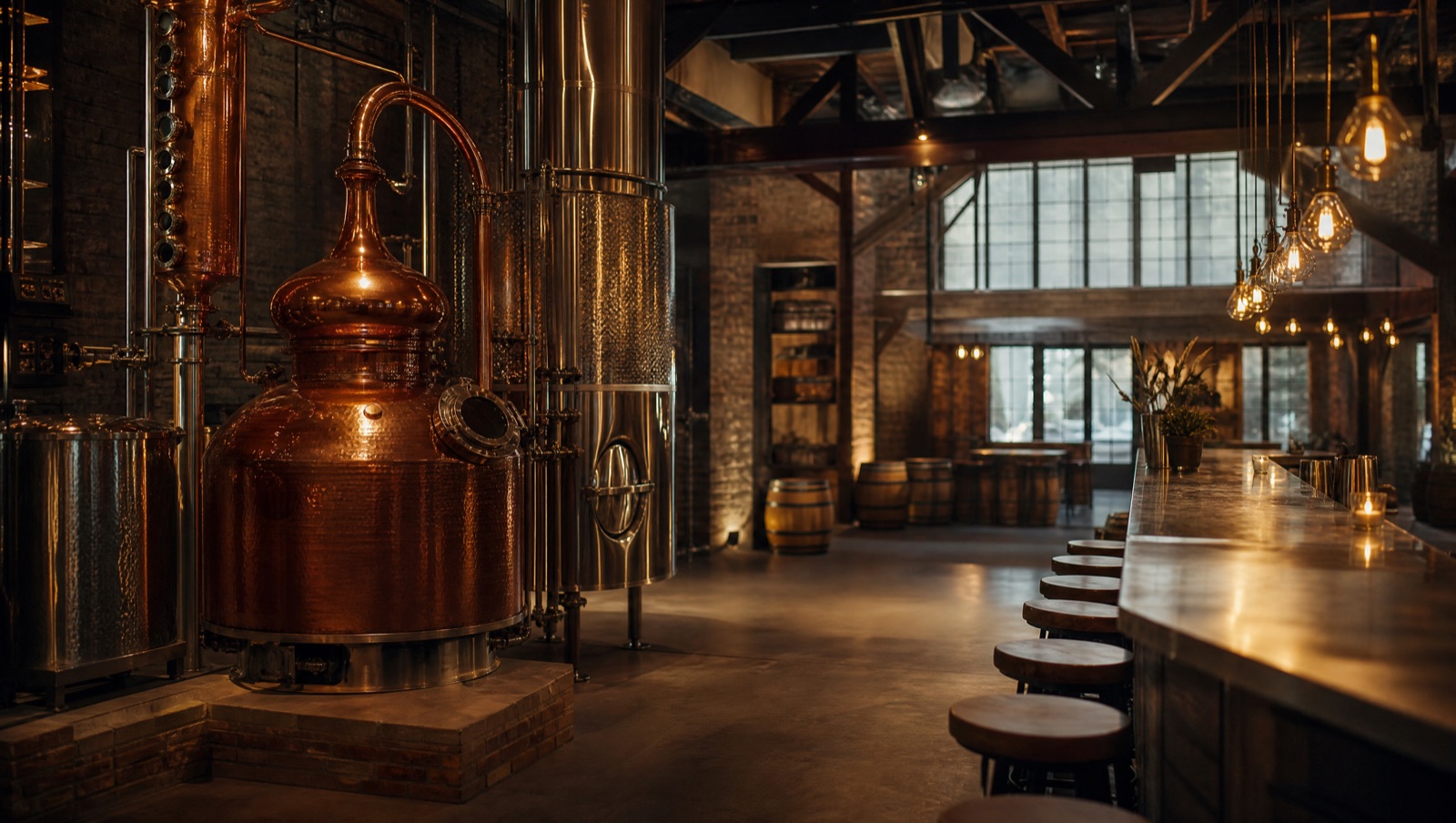

Nelson's Green Brier Distillery
Revived pre-Prohibition Tennessee whiskey in Nashville

Nearest Green Distillery (Uncle Nearest)
Sprawling estate honouring Nathan 'Nearest' Green

Jack Daniel's Distillery
Historic world-famous Tennessee whiskey in Lynchburg
Chattanooga Whiskey Experimental Distillery
Downtown Tennessee high-malt bourbon, daily tours
Sugarlands Distilling Company
Top-rated Gatlinburg moonshine and rye tastings
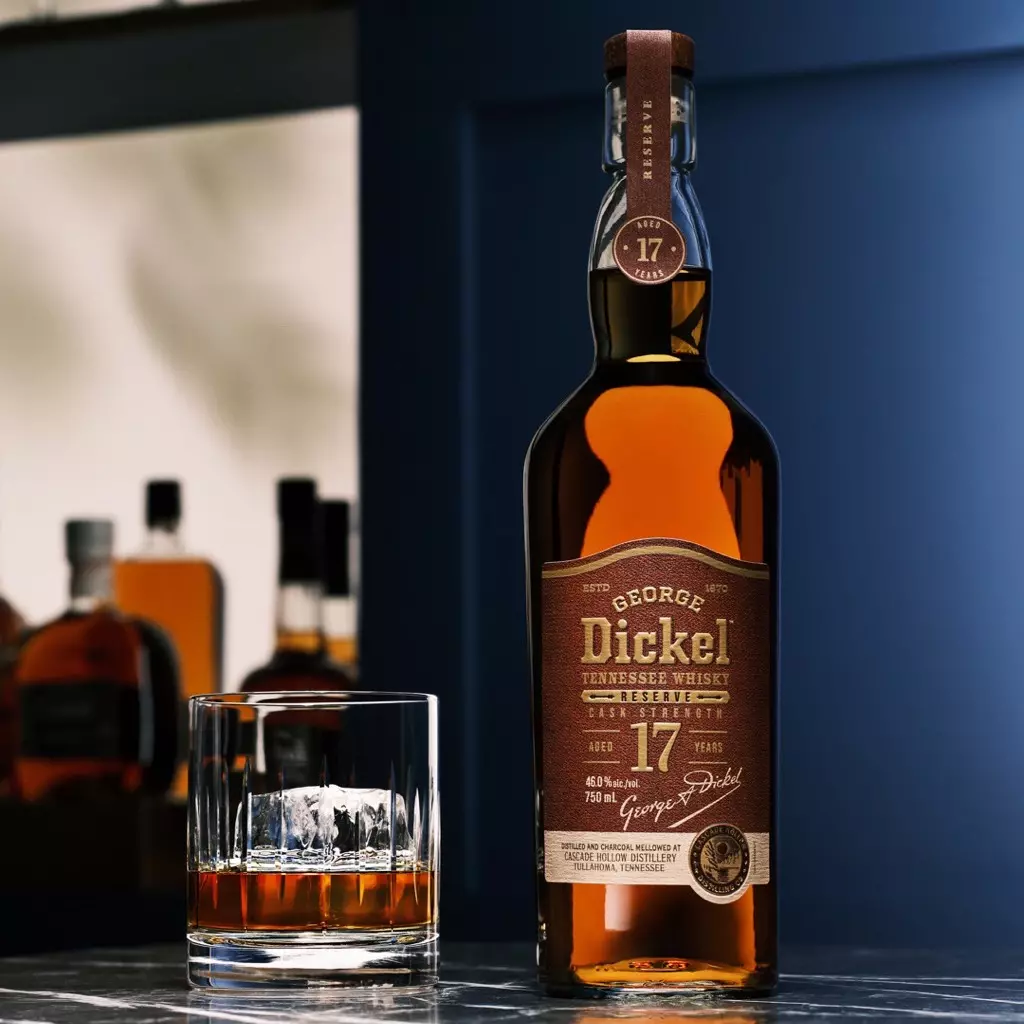
George Dickel (Cascade Hollow Distilling Co.)
Tennessee whisky in scenic Cascade Hollow

About distillery tours in Tennessee
Tennessee is one of the spiritual homes of American whiskey, and a visit here puts you at the source of a style the world now recognises by name. What sets Tennessee whiskey apart is the Lincoln County Process: filtering or steeping new-make spirit through thick beds of sugar-maple charcoal before it ever reaches a barrel, a mellowing step required by state law and credited in large part to Nathan "Nearest" Green, the formerly enslaved master distiller who taught a young Jack Daniel. That heritage runs through nearly every stop you can plan, from the cathedral-like rickhouses of Jack Daniel's Distillery in Lynchburg to Nearest Green Distillery near Shelbyville, which honours Green's legacy directly.
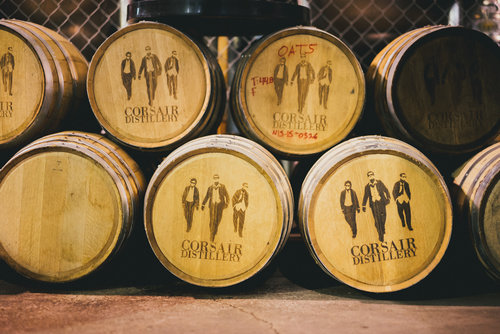
The fourteen distilleries here span three distinct scenes. Nashville and its surrounds anchor the urban tasting-room circuit, with Nelson's Green Brier Distillery, Corsair Distillery and Leiper's Fork Distillery within easy reach. East Tennessee leans into Smoky Mountain moonshine culture through Ole Smoky Distillery and Sugarlands Distilling Company in Gatlinburg, while Chattanooga, Knoxville and Memphis add their own character via Chattanooga Whiskey, Knox Whiskey Works and Old Dominick.
Tours range from polished hour-long walk-throughs of historic grounds to hands-on experimental sessions and convivial flights of moonshine and craft whiskey, so it is easy to tailor a day to your pace.
What to expect on a tour
Most Tennessee distillery tours pair a guided walk through production with a seated or standing tasting at the end. At the larger heritage sites such as Jack Daniel's and George Dickel's Cascade Hollow, you will see the charcoal-mellowing vats up close, learn how sugar-maple ricks are burned and packed, and walk among warehouses where the spirit ages. These tours tend to be timed, scripted and family-friendly, often lasting around 60 to 90 minutes.
Smaller and craft-focused producers offer a different rhythm. Places like Corsair, Chattanooga Whiskey's Experimental Distillery and Nelson's Green Brier emphasise grain-to-glass detail, unusual mashbills and the people behind the brand, and the tasting is frequently more conversational. In Gatlinburg, Ole Smoky and Sugarlands lean into the moonshine tradition with lively, sample-heavy tasting rooms, sometimes with live music, where a tour is optional and the flight is the main event.
Getting there & around
Tennessee is large and its distilleries are clustered in a few hubs, so geography shapes any itinerary. Nashville is the most convenient base, with several distilleries in the city and Lynchburg, Leiper's Fork and the Cascade Hollow and Nearest Green sites all within roughly an hour to ninety minutes by car. Many visitors fly into Nashville International Airport and rent a car, as public transport between rural distilleries is limited.
East Tennessee is a separate trip: Gatlinburg and the Great Smoky Mountains sit near Knoxville, while Chattanooga and Memphis each form their own day. Because tastings and driving do not mix, consider a guided minibus tour, a designated driver or a rideshare for in-city visits. Several operators run scheduled day trips from Nashville that bundle transport, tours and tastings, which removes the worry of who stays sober behind the wheel.
Planning your visit
A realistic comfortable pace is two to three distilleries in a day, allowing for tasting, travel and lunch. Trying to cram in more usually means rushing and drinking faster than you would like. Booking ahead is wise for the marquee names and for any premium or behind-the-scenes experience, especially at weekends and during peak autumn travel.
Note that Lynchburg sits in Moore County, historically a dry county, so the rules around what you can taste and buy on site differ from the rest of the state; check current details when you book. Wear comfortable closed shoes for production floors, and build in time simply to wander the historic grounds, which at the older sites are part of the appeal.
Frequently asked
- How many distilleries can I realistically visit in one day?
- Two to three is a sensible maximum if you want to actually enjoy each tour and tasting. Tennessee's distilleries are spread across distinct regions, so driving time eats into your day, and pacing your tastings matters. If you base yourself in Nashville you can comfortably combine a couple of city tasting rooms with one heritage site such as Lynchburg or Cascade Hollow.
- Do I need to book tours in advance?
- For the well-known names like Jack Daniel's and George Dickel, and for any premium, single-barrel or behind-the-scenes experience, booking ahead is strongly recommended, particularly at weekends and in the busy autumn season. Smaller craft distilleries and the Gatlinburg tasting rooms are often more walk-in friendly, but it is always worth checking each distillery's current hours and policy before you go.
- How much do distillery tours and tastings cost?
- Prices vary widely. Basic tours can be modest or even free at some smaller producers, while signature experiences at the big heritage distilleries, and premium tastings that include rare or single-barrel pours, cost considerably more. Expect a range from low entry-level fees up to higher prices for in-depth, small-group experiences. Always confirm current pricing directly with each distillery, as it changes.
- Can I drink and still drive afterwards?
- You should not. Tastings add up quickly and Tennessee enforces drink-driving laws strictly. The safest options are a designated driver, a guided minibus tour, or rideshares for in-city distilleries. Many visitors take an organised day trip from Nashville precisely so transport is handled and everyone can sample freely. If you are driving yourself, plan to spit, sip sparingly, or save the buying for bottles to take home.
- Are distilleries suitable for children and families?
- Many of the larger heritage distilleries welcome families on the standard tour, since the appeal is the history, grounds and production rather than just drinking, though tastings are adults-only and policies on minors vary by site. Moonshine-focused tasting rooms in Gatlinburg are more bar-like and less geared to children. Check each distillery's age policy in advance, especially for paid tastings.
- What makes Tennessee whiskey different from bourbon?
- The key distinction is the Lincoln County Process, a charcoal-mellowing step in which the spirit is filtered through sugar-maple charcoal before barrelling. This is required by Tennessee state law and gives the whiskey its characteristic smoothness. Tours at sites like Jack Daniel's and Cascade Hollow let you see the maple-charcoal vats first hand, which is one of the most memorable parts of visiting.
- Is there one route or trail that links the distilleries?
- Yes, the Tennessee Whiskey Trail connects distilleries across the state and is a useful planning framework, though it spans long distances rather than a single drivable loop. Most travellers tackle it in regional chunks, centred on Nashville and the surrounding counties, East Tennessee around Gatlinburg and Knoxville, plus Chattanooga and Memphis. Plan by region rather than trying to do it all in one trip.
- Are the distilleries wheelchair accessible?
- Accessibility differs significantly. Newer, purpose-built sites and modern tasting rooms tend to be the most accommodating, while some historic distilleries have older buildings, stairs, gravel paths and multi-level rickhouses that can be challenging. If accessibility is a priority, contact the specific distillery ahead of your visit to ask about step-free routes, parking and whether the full tour can be adapted.