
Rum · Portugal
Rum Distilleries in Portugal
Tour 4 rum distilleries in Portugal. Each offers visits, tastings or experiences you can book directly — including Engenho Novo da Madeira (William Hinton), Engenhos do Norte (North Mills), Scoundrels Distilling Co..
4distilleries
Engenho Novo da Madeira (William Hinton)
Agricole rum from Madeira sugarcane juice
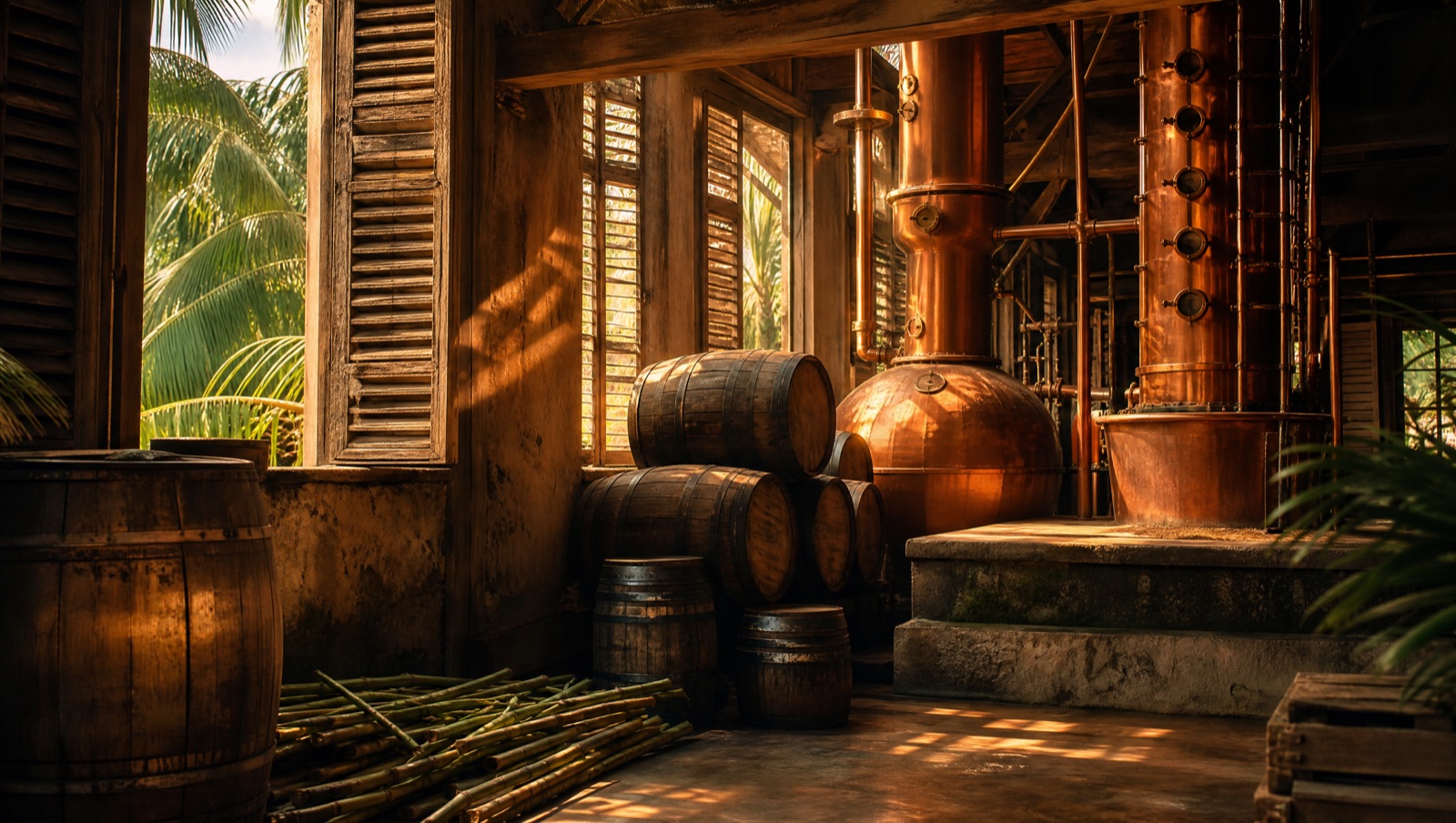
Engenhos do Norte (North Mills)
Steam-powered agricole rum on Madeira's north coast


About rum distilleries in Portugal
When people think of Portuguese rum, they think of Madeira, and with good reason. The Atlantic island has grown sugarcane since the sixteenth century, when it was one of the world's great producers of so-called white gold. That long agricultural history underpins a small but serious rum culture, distinct because it is made from fresh sugarcane juice rather than molasses, in the agricole style. Crucially, Madeira holds its own protected geographical indication, which means its cane-juice rum can legally use the agricole designation within the EU, a rare distinction in Europe. The island's producers range from the historic to the recently revived. Engenhos do Norte in Porto da Cruz still runs early twentieth-century machinery and is the island's leading rum producer by volume. Engenho Novo da Madeira makes the well-known William Hinton rums, the result of a family restoring an ancestral distillery and its cane fields. Newer names and mainland ventures, including Balancal Distillery and Scoundrels Distilling Co., add to a category that rewards curious travellers willing to look beyond port and Madeira wine.
Rum in Portugal: styles and how it's made
The defining feature of Madeiran rum is that it is rhum agricole: distilled from freshly pressed sugarcane juice rather than from molasses, the by-product used for most rum worldwide. This gives the spirit a grassier, more vegetal and aromatic character, with the raw cane very much present. Madeira's protected geographical indication formalises this, allowing producers to use the agricole term legitimately within the EU, something few European regions can claim. Cane is harvested locally and pressed quickly, with the season dictating production. Engenhos do Norte, formed from the merger of many small mills in the late 1920s, still operates with vintage machinery and turns out a substantial share of the island's rum. Engenho Novo da Madeira produces the William Hinton range from a restored family distillery, offering both unaged and barrel-aged expressions. The result is a Portuguese rum tradition that tastes unmistakably of Madeira's volcanic, cane-covered slopes.
Where to taste rum in Portugal
Madeira is the natural home of Portuguese rum tourism. Engenhos do Norte in Porto da Cruz, on the island's rugged northeast coast, is among the most rewarding visits, a working historic distillery where you can see the old presses and stills in action during harvest. Engenho Novo da Madeira, the home of William Hinton rum, offers a window into a restored estate that revived both the distillery and its sugarcane. Beyond these established names, Balancal Distillery and Scoundrels Distilling Co. broaden the picture for travellers wanting to taste across the category. Because cane pressing is seasonal, visiting during or around harvest gives the most vivid sense of how the rum is made, though tastings and tours generally run more widely through the year. As with any island operation, it pays to check opening times before setting out.
What to expect on a tour
A Madeiran rum tour is as much about agricultural heritage as it is about the spirit. At a place like Engenhos do Norte you will encounter machinery dating back decades, a reminder that this is a tradition built on the island's sugarcane economy rather than a modern reinvention. Expect to learn how fresh cane juice is pressed, fermented and distilled, and how the agricole style differs from the molasses-based rum most visitors know. Tastings usually move from unaged white rums, where the grassy cane character is most exposed, through to aged expressions matured in oak, as offered in the William Hinton range from Engenho Novo da Madeira. Pair the visit with the surrounding scenery: the north coast around Porto da Cruz is dramatic, and the cane fields that feed the distilleries form part of the experience. Confirm tour formats and tasting options in advance.
Frequently asked
- What kind of rum does Portugal make?
- Madeira specialises in agricole-style rum, distilled from freshly pressed sugarcane juice rather than molasses. This gives it a grassier, more vegetal and aromatic character than most rum, and the island can legally use the agricole term thanks to its protected geographical indication.
- Why is Madeira central to Portuguese rum?
- The island has grown sugarcane since the sixteenth century, when it was a major producer of the so-called white gold. That deep agricultural history underpins its distilleries, including the long-running Engenhos do Norte and the William Hinton estate.
- What is William Hinton rum?
- It is the rum range made by Engenho Novo da Madeira, produced after descendants of William Hinton restored the family's original distillery and sugarcane production. The range includes both unaged and barrel-aged expressions.
- When is the best time to visit?
- Cane pressing is seasonal, so visiting around the harvest gives the most vivid sense of production at distilleries like Engenhos do Norte. Tours and tastings generally run more widely through the year, but it is worth checking ahead.
- How is agricole rum different from ordinary rum?
- Agricole rum is made from fresh sugarcane juice, while most rum is made from molasses. The fresh-juice method keeps more of the raw cane's grassy, herbaceous flavour, which is the hallmark of Madeiran rum.
- Are there rum distilleries beyond the big Madeira names?
- Yes. Alongside Engenhos do Norte and Engenho Novo da Madeira, producers such as Balancal Distillery and Scoundrels Distilling Co. add variety for travellers exploring the category more widely.
- Can I tour a working rum distillery in Madeira?
- You can. Engenhos do Norte in Porto da Cruz is a working historic distillery still using vintage machinery, and several producers offer tastings. Confirm opening times before your visit.