
Gin · South Africa
Gin Distilleries in South Africa
Tour 4 gin distilleries in South Africa. Each offers visits, tastings or experiences you can book directly — including Deep South Distillery, Hout Bay Distillery, Inverroche Distillery.
4distilleries
About gin distilleries in South Africa
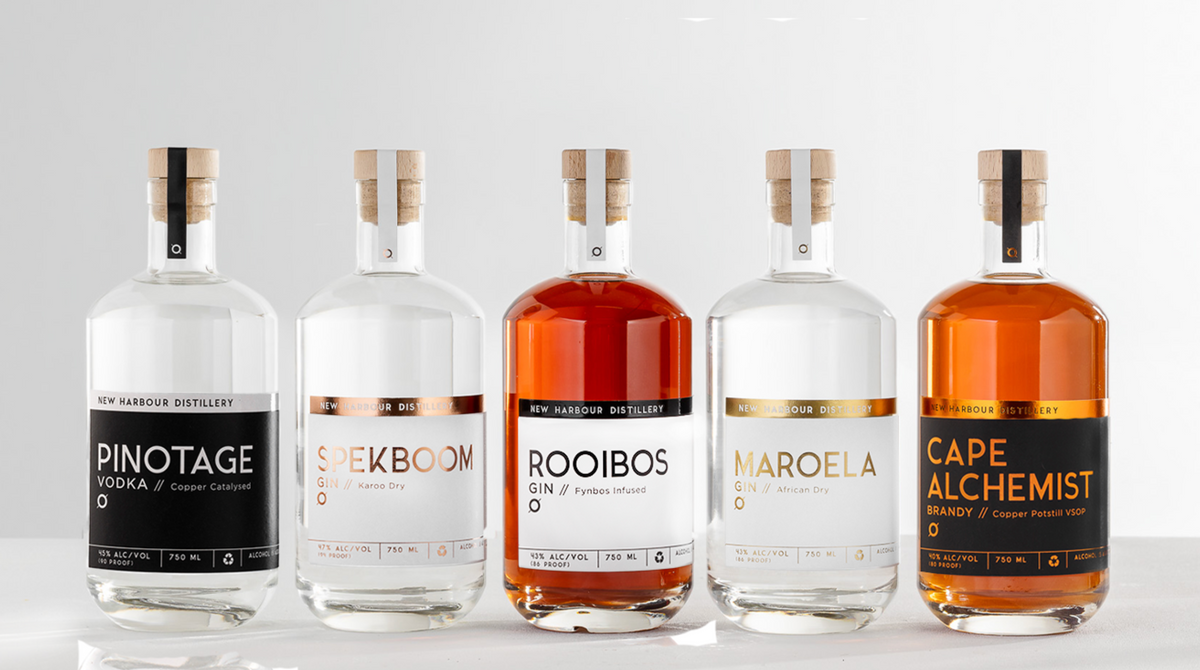
South Africa has become one of the most exciting places in the world to drink gin, and the story begins underfoot. The Cape is home to fynbos, the astonishingly diverse shrubland of the Cape Floral Kingdom, with thousands of plant species found nowhere else on Earth. Distillers have turned that biodiversity into a signature, layering rooibos, buchu, honeybush and wild herbs into spirits that taste unmistakably of place. Gin has surged here over the past decade, overtaking vodka to become one of the country's most loved categories, and a wave of small producers has followed. A tour through South African gin tends to centre on the Western Cape, where you can taste fynbos-forward bottlings at the likes of Inverroche Distillery on the Southern Cape coast, harbourside dram-pouring at Hout Bay Distillery, and the maritime, craft-led approaches of Deep South Distillery and New Harbour Distillery. Expect generous tastings, working stills you can stand beside, and distillers happy to talk you through which indigenous botanical does what. Whether you build a day around Cape Town or drive the coast, gin makes an easy and rewarding entry point into the country's spirits scene.
Gin styles & how it's made
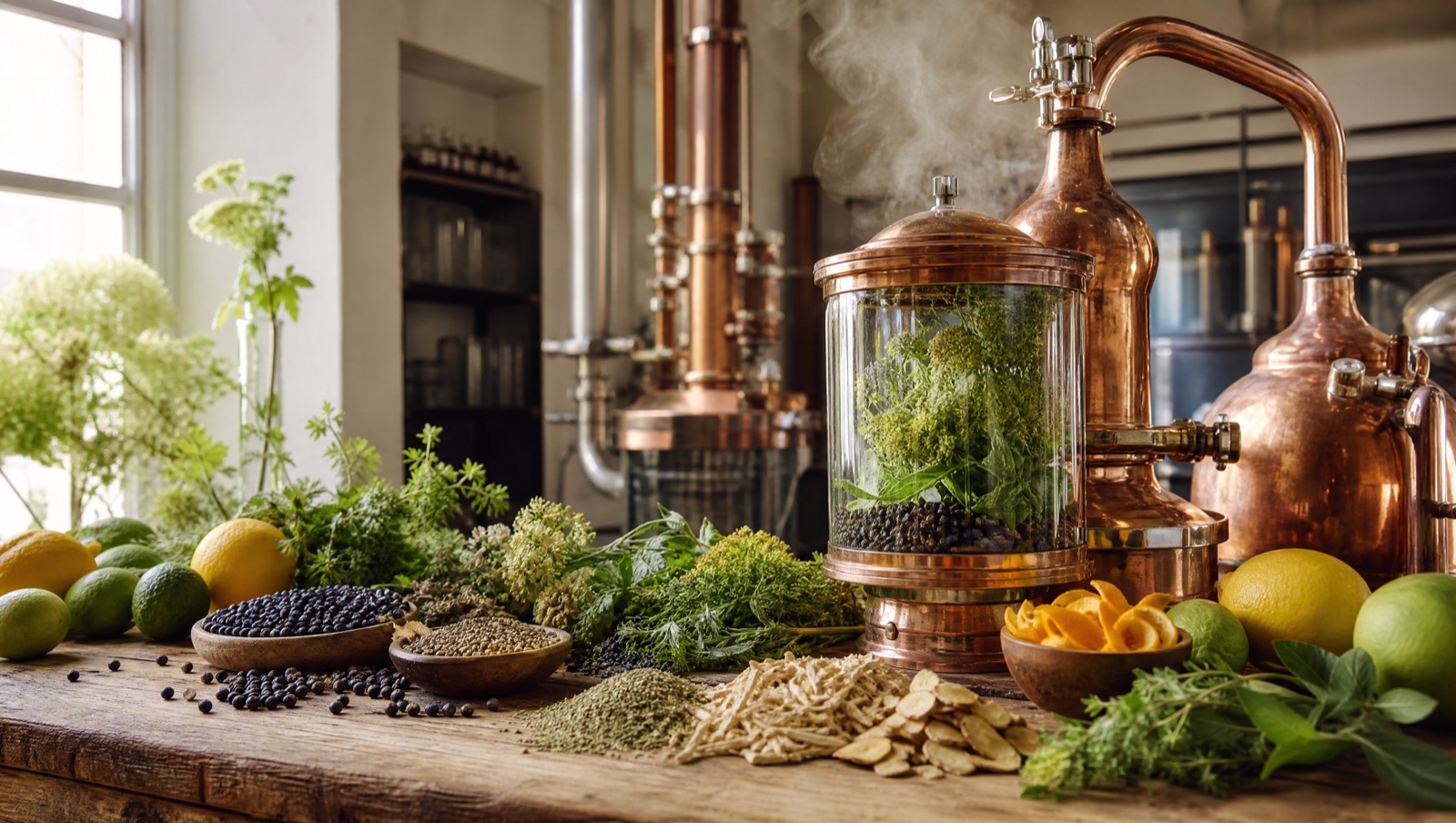
The defining thread in South African gin is fynbos: indigenous botanicals such as rooibos, buchu, honeybush, kapokbos and renosterbos that bring honeyed, herbal, faintly medicinal and floral notes you simply won't find in a classic London Dry. Many producers build around a familiar juniper-and-coriander backbone, then weave in Cape flora to give the spirit regional character; Inverroche Distillery helped pioneer this fynbos-infused style and built a range that maps loosely to different terrains, from coastal to mountain fynbos. Others lean coastal and contemporary. Deep South Distillery and New Harbour Distillery sit within Cape Town's small-batch, craft-forward generation, while Hout Bay Distillery makes the most of its seaside setting. Methods vary from copper pot distillation to vapour infusion and individual botanical distillation, with many distillers foraging or sourcing local plants directly. The result is a category that ranges from clean and citrus-bright to deeply savoury and herbal, often best understood by tasting two or three side by side.
Where to taste gin in South Africa
The Western Cape is the heartland. In and around Cape Town you can reach harbour-side and city-edge distilleries easily, with Hout Bay Distillery making a natural pairing with a drive along the peninsula and Deep South Distillery offering a relaxed, craft-led visit. New Harbour Distillery adds another small-batch stop to a Cape gin day. For something more rural and immersive, Inverroche Distillery sits on the Southern Cape coast, a worthwhile detour for anyone exploring the Garden Route, where the fynbos that flavours the gin grows all around you. Tasting rooms here are generally informal and welcoming, and many can be combined with a meal, a coastal walk or a wine-route diversion, since the Cape's vineyards are never far away.
What to expect on a tour
A typical South African gin visit pairs a short tour of the still house with a guided tasting flight, often three to five expressions poured neat and then served long with tonic and a thoughtful garnish, in the local fashion. Guides tend to focus on botanicals, so expect to smell and sometimes handle fynbos before you taste it; learning the difference between buchu and rooibos on the nose is half the fun. Smaller distilleries are hands-on and personal, with the maker frequently doing the pouring. Many sites have a shop for bottles you can't easily find abroad, and some offer cocktails, food pairings or blend-your-own sessions. Bookings are wise at weekends, and as with any tasting, line up a designated driver or transport in advance.
Frequently asked
- What makes South African gin different?
- Its use of fynbos, the indigenous Cape flora including rooibos, buchu and honeybush, which lend honeyed, herbal and floral notes you won't find in classic European gins. Distilleries such as Inverroche built their reputation on this fynbos character.
- Where is the best region for gin tasting?
- The Western Cape, especially in and around Cape Town and along the Southern Cape coast. It concentrates most of the country's craft distilleries and pairs naturally with the surrounding wine routes and coastline.
- Can I visit gin distilleries near Cape Town?
- Yes. Hout Bay Distillery, Deep South Distillery and New Harbour Distillery are all within easy reach of the city, making it possible to build a gin-focused day around Cape Town.
- Do I need to book a gin tour in advance?
- For weekends and peak season, booking is recommended, as tasting rooms at small distilleries can be intimate and fill quickly. Midweek visits are often more flexible, but it's always worth checking ahead.
- Is fynbos gin very different to a London Dry?
- It can be. While many South African gins keep a juniper-forward base, fynbos botanicals add savoury, herbal and honeyed layers, so flavours range from clean and citrusy to distinctly earthy and aromatic.
- Can I combine gin tasting with wine tours?
- Easily. The Cape's celebrated wine regions sit close to its gin distilleries, so many visitors fold a distillery stop or two into a wider tour of the winelands and coast.