
Craft Spirits · Canada
Craft Spirits Distilleries in Canada
Tour 7 craft spirits distilleries in Canada. Each offers visits, tastings or experiences you can book directly — including Nickel 9 Distillery, Forty Creek Distillery, CIRKA Distilleries.
7distilleries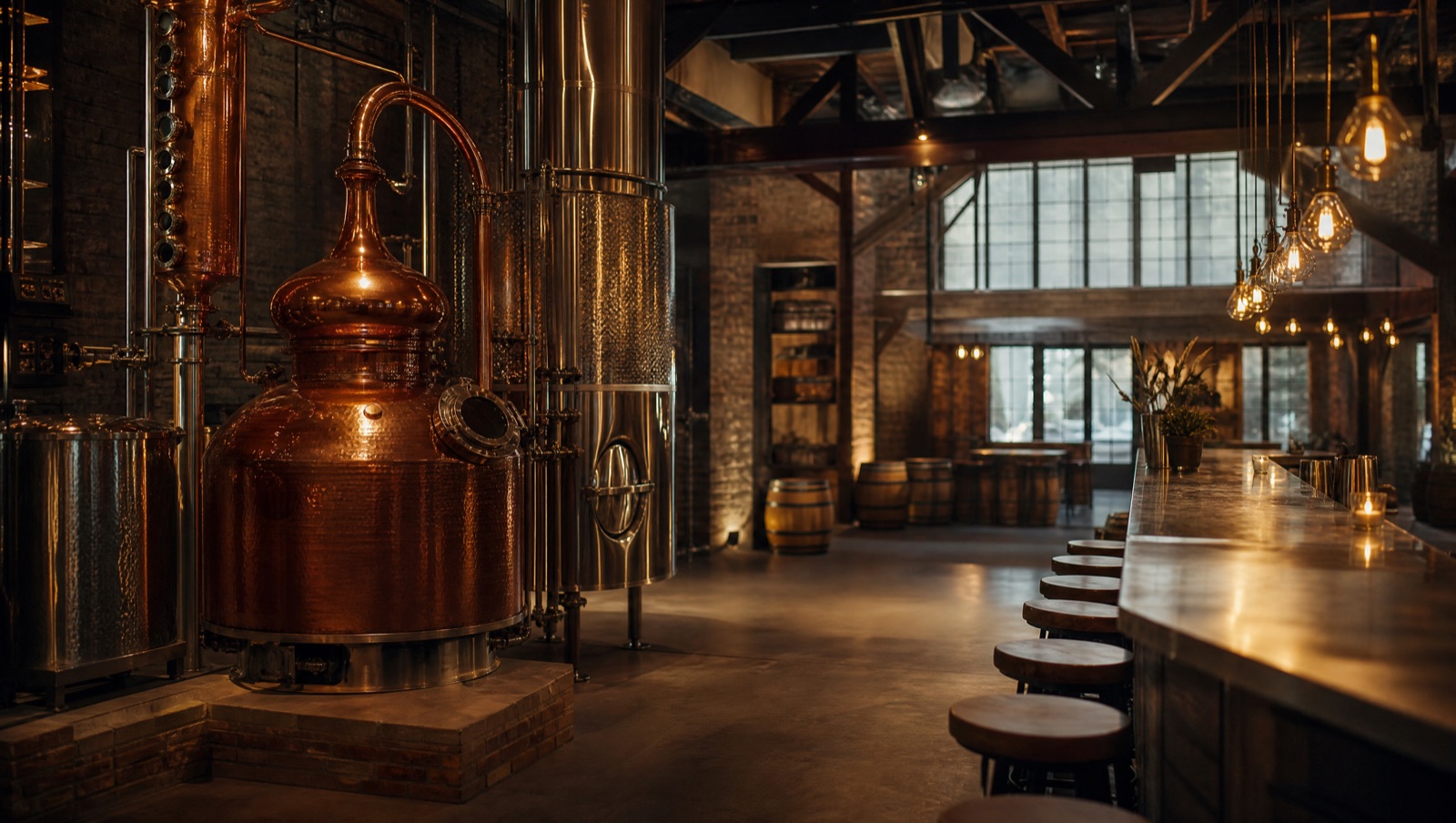
About craft spirits distilleries in Canada
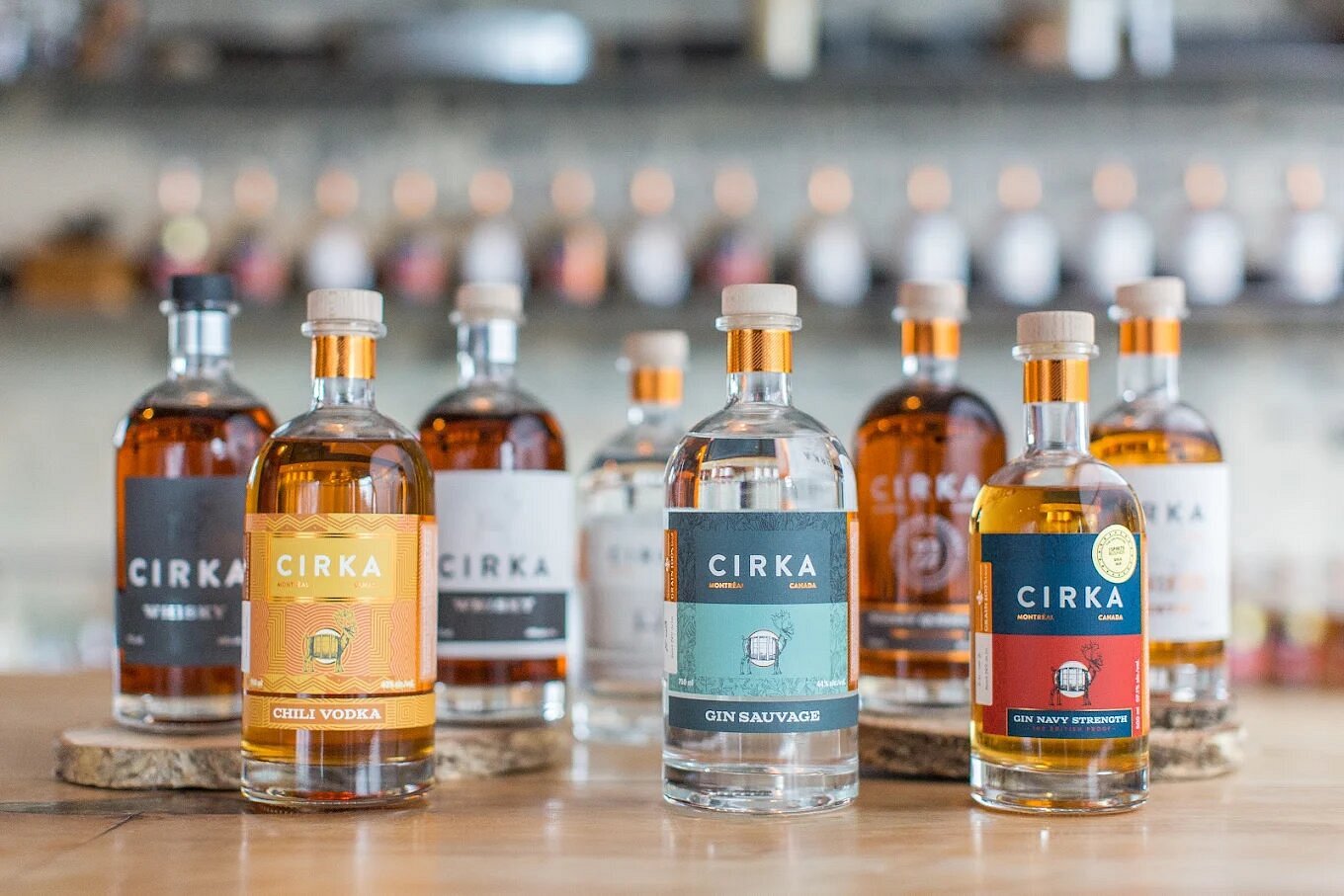
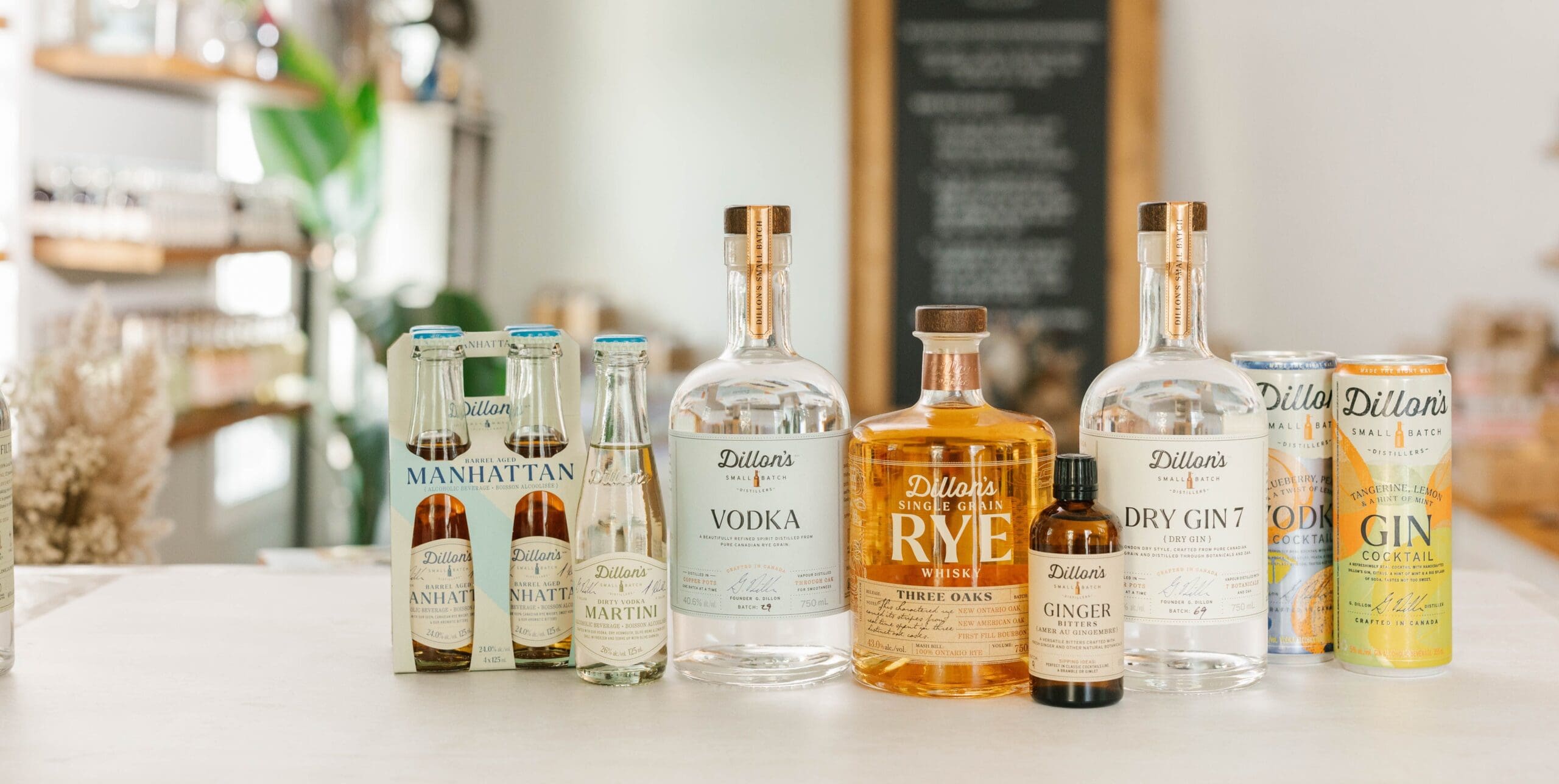
Canada's craft-spirits scene has grown from a handful of pioneers into one of the most varied in the world, with hundreds of independent distilleries now spread coast to coast. While the country's international reputation still rests on Canadian whisky, and especially its rye, the modern craft sector is far broader: gin and vodka dominate the shelves of newer microdistilleries, and producers have embraced unusual base ingredients from local grains and fruit to honey and maple sap. What ties it all together is a strong sense of place. Distillers lean into regional agriculture, from Niagara fruit and Okanagan orchards to prairie rye, and many run working farms or gardens alongside the stills. The result is a category defined less by a single flagship spirit than by experimentation and provenance. Names on this directory capture that spread: Forty Creek and Nickel 9 in Ontario, Dillon's in Niagara wine country, Okanagan Spirits and The Liberty Distillery in the west, Odd Society in Vancouver, and CIRKA in Montreal. Together they show how Canadian craft distilling blends old-world technique with a restless, terroir-driven creativity that rewards anyone willing to taste their way around the country.
Craft spirits in Canada: styles & how they're made
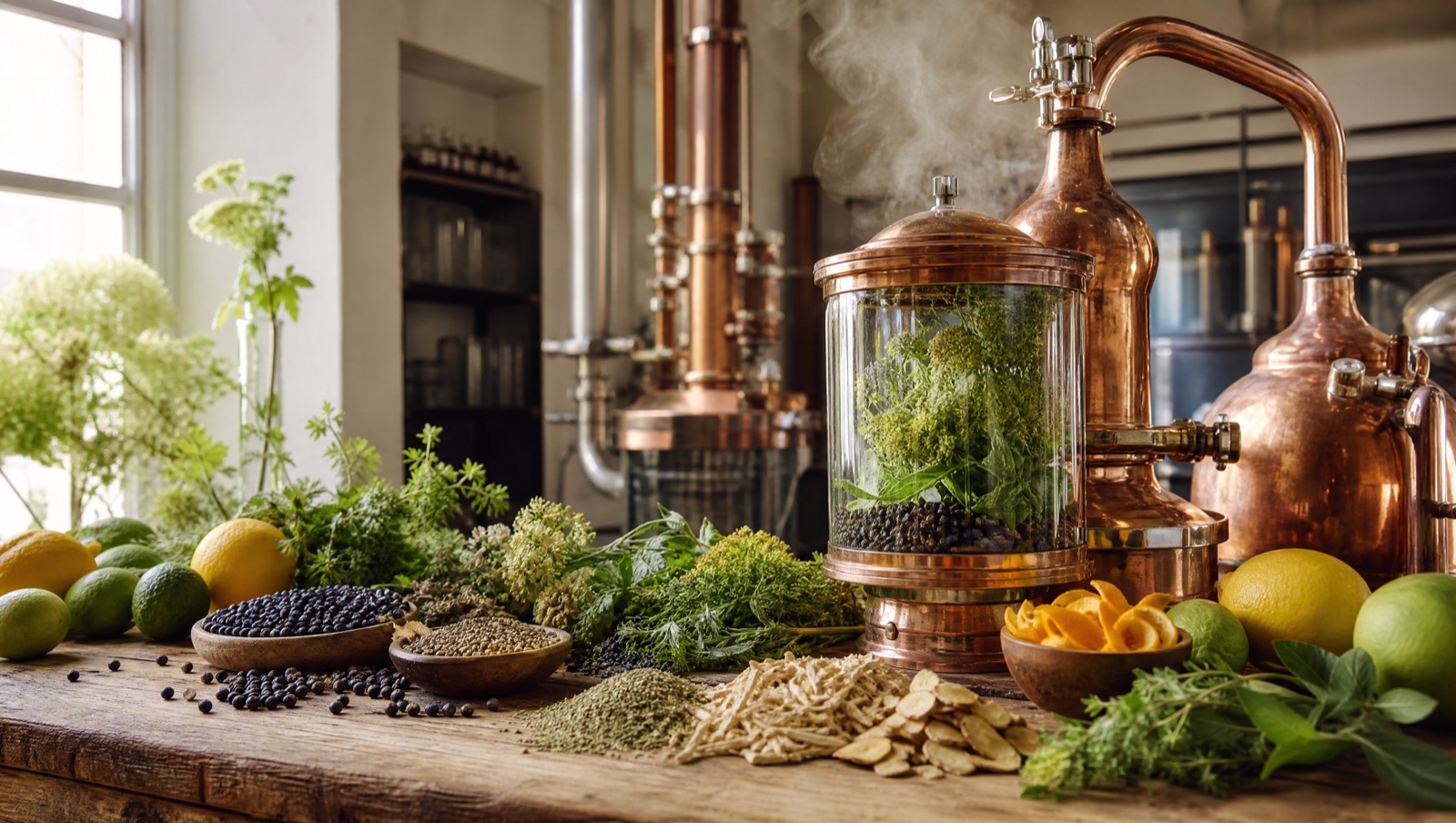
The defining Canadian spirit is rye whisky, traditionally made with a high proportion of rye grain that gives a spicy, peppery backbone; Forty Creek in Grimsby, Ontario, and Dillon's in Niagara are among the producers keeping that tradition alive with small-batch, locally grown grain. Alongside whisky, the craft sector is built largely on white spirits. Gin and vodka are the bread and butter of most newer distilleries because they can be sold young, and Canadian regulations are unusually permissive about what can become vodka, opening the door to bases made from fruit, honey and maple sap as well as grain. Many distilleries here are genuinely grain-to-glass or fruit-to-glass operations, milling, fermenting, distilling and bottling on one site. Okanagan Spirits, for instance, draws on British Columbia's orchard fruit, while CIRKA in Montreal works from Quebec corn. Expect copper pot stills, hands-on production and a willingness to experiment with botanicals, barrels and unconventional ingredients.
Where to taste craft spirits in Canada
There is no single hub, which is part of the appeal, but a few clusters stand out. Vancouver and British Columbia form one of the densest pockets: Odd Society Spirits sits in the city itself with a lively tasting room, The Liberty Distillery occupies a heritage building on Granville Island, and Okanagan Spirits operates in the wine and orchard country of the interior. Ontario is the other heavyweight, with Niagara and the Greater Toronto Area especially well served. Dillon's makes a natural stop on a Niagara wine-and-spirits day, Forty Creek lies between Hamilton and Niagara Falls, and Nickel 9 brings craft distilling into downtown Toronto. Quebec adds its own character through CIRKA in Montreal. Because distilleries are often paired with cocktail bars or food, a tasting visit can easily fill an afternoon rather than a quick stop.
What to expect on a tour & planning a trip
A typical visit pairs a short walk through the production space, where you'll see mash, fermenters and stills, with a guided tasting flight covering the distillery's core range. Urban sites such as Odd Society, The Liberty Distillery and Nickel 9 usually have cocktail lounges, making them easy to fit around a city itinerary, while rural producers like Okanagan Spirits and Forty Creek reward a more leisurely visit. If you're planning a trip, decide first whether you're chasing whisky, gin or the full spread, then anchor your route around one region rather than trying to cross the country. Niagara and the Okanagan both combine spirits with wine and scenery, and Vancouver makes a compact base for several distilleries in one day. Check opening hours and tour times in advance, as smaller distilleries may run tastings only on certain days, and remember that provincial liquor rules can affect what you can buy and take home.
Frequently asked
- Is Canada only known for whisky?
- Whisky, particularly rye, remains Canada's signature spirit and its main international reputation. But the modern craft scene is much broader, with gin and vodka dominating most newer microdistilleries and a growing range of fruit spirits, liqueurs and experimental bottlings alongside the whisky.
- What is Canadian rye whisky?
- It's a whisky made with a significant proportion of rye grain, giving a spicy, peppery character. Producers like Forty Creek and Dillon's use Canadian-grown rye in small-batch releases. Rye is often described as being to Canada what bourbon is to the United States.
- Where are the best regions for distillery visits?
- British Columbia (Vancouver and the Okanagan) and Ontario (Niagara and Toronto) are the strongest clusters. Vancouver alone has Odd Society and The Liberty Distillery within reach, while Niagara pairs Dillon's and Forty Creek with wine country.
- Do Canadian distilleries have tasting rooms and cocktail bars?
- Many do, especially urban ones. Odd Society Spirits, The Liberty Distillery and Nickel 9 all have tasting rooms or cocktail lounges, so a visit can be a full afternoon of sampling and drinks rather than just a quick tour.
- Can I buy bottles to take home after a tour?
- Usually yes, though provincial liquor regulations vary across Canada and can affect what distilleries are allowed to sell on site and how much you can take across provincial or national borders. It's worth checking the distillery's policy before you visit.
- What unusual ingredients do Canadian distillers use?
- Canadian vodka rules allow almost any agricultural base, so you'll find spirits made from honey, maple sap, milk and fruit as well as grain. Okanagan Spirits, for example, leans heavily on British Columbia orchard fruit.