
Craft Spirits · Illinois
Craft Spirits Distilleries in Illinois
Tour 8 craft spirits distilleries in Illinois. Each offers visits, tastings or experiences you can book directly — including Whiskey Acres Distilling Co., Rhine Hall Distillery, Quincy Street Distillery.
8distilleries





About craft spirits distilleries in Illinois
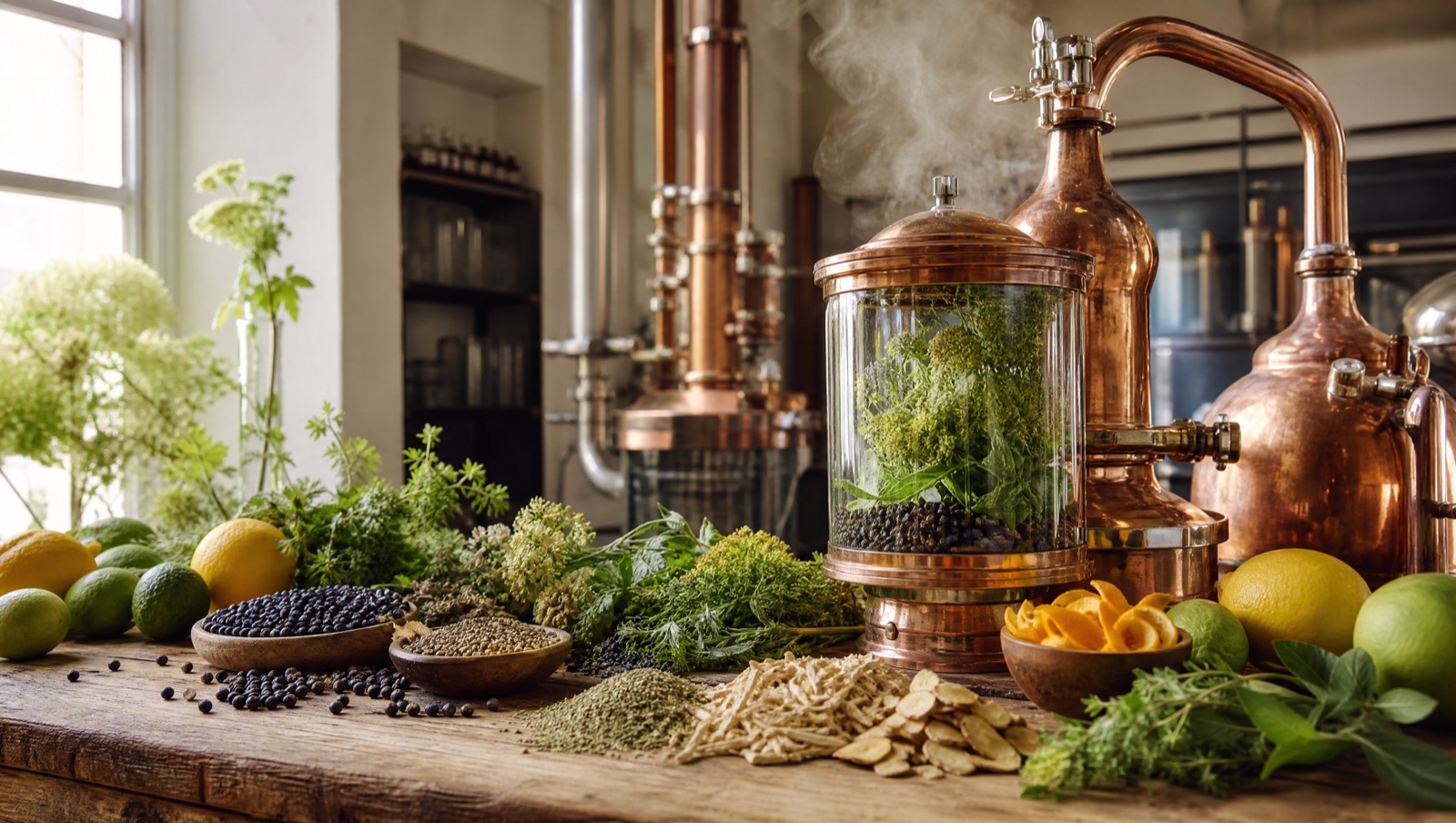
Illinois has quietly become one of the Midwest's most rewarding states for craft spirits, and the appeal lies in its range rather than any single house style. Chicago anchors the scene with urban distilleries packed into the West Loop and surrounding neighbourhoods, while the prairie counties beyond the city contribute a strong farm-to-flask tradition built on the state's abundant corn and grain. The result is a category that swings happily between rustic field-grown whiskey and inventive small-batch experiments. You'll find producers who grow their own heirloom corn, such as Whiskey Acres Distilling Co., alongside city operators like Chicago Distilling Company and Rhine Hall Distillery, the latter known for its handcrafted fruit brandies. Suburban and small-town distilleries including Copper Fiddle Distillery, North Shore Distillery, Quincy Street Distillery and Thornton Distilling Company round out the picture, and Blaum Bros. Distilling Co. flies the flag for the north-west. For visitors, craft spirits in Illinois means a tasting room culture that is friendly, unpretentious and genuinely curious about flavour, with bartenders and distillers happy to talk grain, mash and method.
What makes craft spirits here special
The defining trait of Illinois craft spirits is breadth backed by serious provenance. This is corn country, and several distilleries lean hard into that advantage. Whiskey Acres Distilling Co. is among a small group of American producers that grows its own grain, trialling heirloom corn varieties on a multi-generation family farm, so the connection between field and bottle is unusually direct. At the same time, the urban distilleries treat the city as their raw material: small footprints in the West Loop and beyond mean nimble, experimental batches. Rhine Hall Distillery has built a reputation on fruit brandies rather than whiskey, while Chicago Distilling Company champions a neighbourhood, grain-to-glass approach. Add suburban houses like Copper Fiddle and North Shore, and you have a category that resists easy categorisation. What unites them is an emphasis on local sourcing, transparency about process and a willingness to make spirits that don't simply imitate Kentucky.
What to expect from a craft spirits tasting
Tastings across Illinois tend to be conversational and hands-on rather than formal. In the city, expect compact tasting bars where you might sample a flight that jumps from a grain-forward whiskey to a vodka, gin or a fruit brandy in a single sitting, exactly the kind of spread Rhine Hall and Chicago Distilling encourage. Out on the prairie, the experience often comes with a view of the working operation. At Whiskey Acres you can taste with the grain quite literally growing outside, which gives the whiskey a story you can see. Many tasting rooms double as cocktail bars, so a visit might begin with a guided flight and end with a signature serve built around the house spirit. Distillers are usually generous with detail, walking you through mash bills, fermentation choices and barrel programmes.
Planning your visit
Geography shapes any Illinois craft-spirits trip. Chicago makes an easy base: distilleries such as Chicago Distilling Company and Rhine Hall sit within or close to the city, so you can string together two or three by car or rideshare without straying far. To reach the agricultural producers you'll want to drive. Whiskey Acres lies out in the farmland west of the metro, Blaum Bros. is up in the north-west of the state, and suburban names like Copper Fiddle, North Shore, Quincy Street and Thornton are spread across the collar counties. Because opening hours and tour availability vary, particularly at smaller rural operations, it pays to check ahead and book guided tours where offered. Always arrange a designated driver or rideshare if you plan to taste, and consider pairing a couple of nearby distilleries into a single afternoon loop.
Frequently asked
- What kinds of craft spirits does Illinois produce?
- A wide spread. Alongside grain-forward whiskeys you'll find vodka, gin and notable fruit brandies, the latter a speciality of Rhine Hall Distillery. The state's corn supply also supports several whiskey-focused producers like Whiskey Acres Distilling Co.
- Where are most Illinois craft distilleries located?
- Chicago and its surrounds form the densest cluster, with producers such as Chicago Distilling Company and Rhine Hall in or near the city. Others, including Whiskey Acres and Blaum Bros. Distilling Co., sit out in the wider state's farm country.
- Can I visit these distilleries for tastings or tours?
- Many offer tasting rooms and guided tours, though availability differs between urban and rural sites. Smaller operations may run limited hours, so it's wise to check each distillery's schedule and book ahead where tours are offered.
- Which distillery is best for seeing the farm-to-glass process?
- Whiskey Acres Distilling Co. is the standout, as it grows its own grain on a family farm and experiments with heirloom corn, letting you connect the field directly to the bottle.
- Is Chicago a good base for a craft-spirits trip?
- Yes. Several distilleries are within or close to the city, so you can combine a few in a day using a car or rideshare. For the rural farm distilleries you'll need to drive further afield.
- Do I need to book a craft spirits tasting in advance?
- For guided tours, booking ahead is recommended, especially at smaller and rural distilleries where capacity and hours are limited. Walk-in tasting bars are more common in the city but still worth confirming.
- What should I do about driving after tastings?
- Always plan for a designated driver or use a rideshare. In Chicago this is straightforward; for the more spread-out prairie distilleries, arrange transport before you set off.