
Craft Spirits · Ireland
Craft Spirits Distilleries in Ireland
Tour 4 craft spirits distilleries in Ireland. Each offers visits, tastings or experiences you can book directly — including Micil Distillery, Rebel City Distillery, Listoke Distillery & Gin School.
4distilleries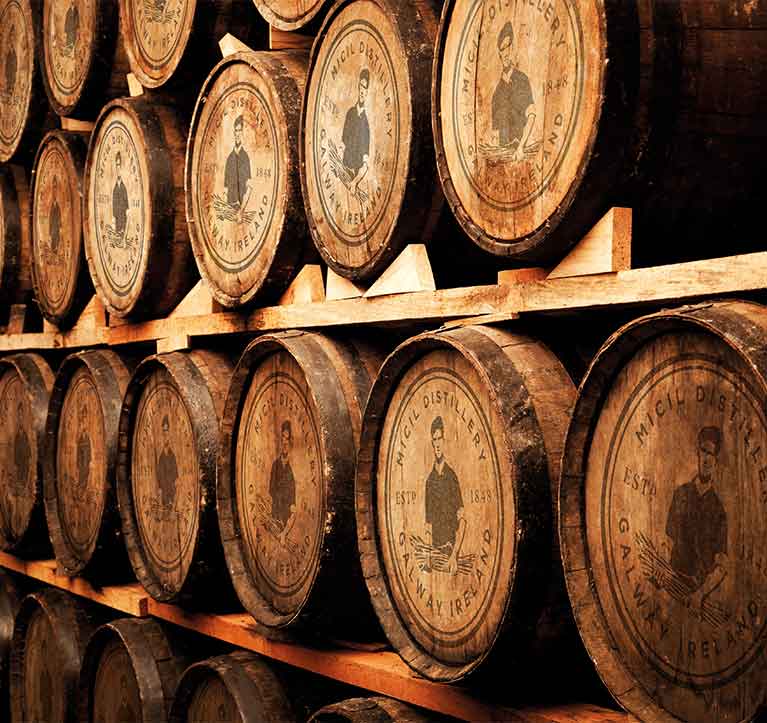
About craft spirits distilleries in Ireland
Ireland's craft-spirits revival is one of the most exciting drinks stories in Europe. Where barely a handful of working distilleries operated little over a decade ago, the island now counts dozens, and many of the most characterful are not chasing whiskey alone. A new generation of producers is reaching back to older traditions, chiefly poitín, the once-illicit farmhouse spirit, while also turning out gin, vodka, akvavit and even absinthe. The result is a category defined less by rules than by imagination. At Micil Distillery in Galway, six generations of poitín-making sit alongside contemporary gin; in Cork's docklands, Rebel City Distillery works out of a former Ford factory, producing its Maharani gin and Ireland's only absinthe. Down in County Waterford, Blackwater Distillery has built a reputation for botanical-led gin and small-batch experimentation, while Listoke Distillery & Gin School in County Louth invites visitors to blend their own bottle. For travellers, this means tours that feel personal and hands-on, often led by founders themselves, and a genuine sense of a craft scene still finding its voice.
Craft Spirits: styles & how they're made
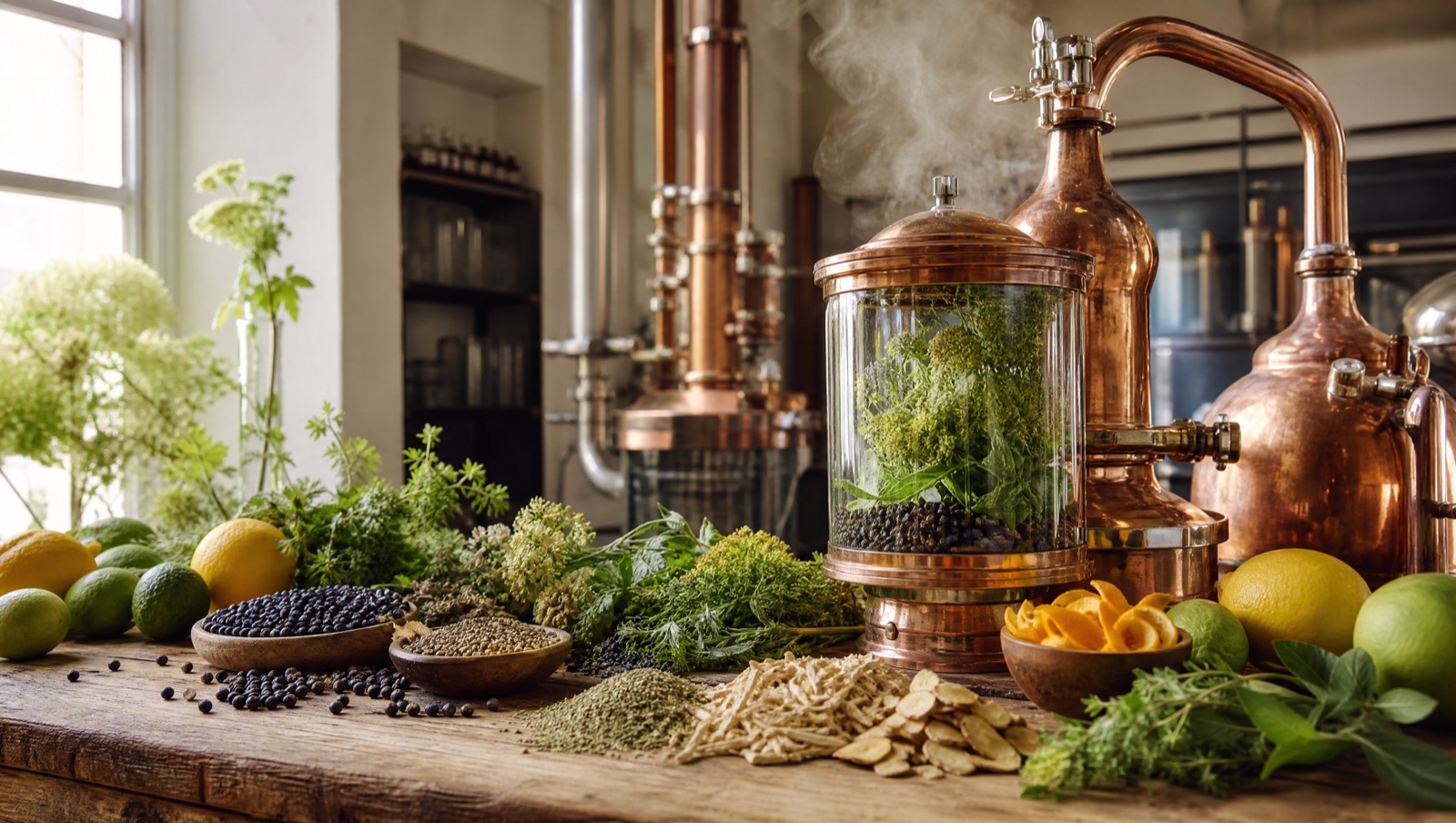
The Irish craft-spirits family is broad. Poitín, the spiritual heart of it, is a clear pot-still spirit traditionally made from barley, grain or potatoes, long associated with rural distilling and only legalised for sale in recent decades. Producers such as Micil have made it a centrepiece, distilling at strength and bottling it with a rustic, grain-forward character that whiskey drinkers find fascinating. Gin is the other pillar: most Irish craft gins start from a neutral or grain base and lean on local botanicals, sea buckthorn, gorse, heather, bog myrtle and coastal herbs that speak of the landscape. Blackwater Distillery is known for treating its botanicals with real curiosity, while Listoke's gin school lets guests macerate and distil their own recipes. Beyond these, you'll find vodka, akvavit and absinthe, with Rebel City flying the flag for the more unusual end of the spectrum. Many distilleries operate hybrid stills and small batches, so methods vary widely from one producer to the next, which is precisely what makes a tour worthwhile.
Where to taste craft spirits in Ireland
Craft spirits cluster around both cities and quiet rural corners. Cork makes a natural base: Rebel City Distillery sits in the regenerated docklands and runs tasting experiences and a spirits school that walk you through gin, akvavit and absinthe. On the west coast, Galway pairs beautifully with Micil Distillery, where the poitín heritage gives the visit a strong sense of place. For a leisurely southern route, County Waterford's Blackwater Distillery rewards those who enjoy a botanical, ingredient-led approach, and it pairs well with the broader Ancient East touring region. In the north-east, Listoke Distillery & Gin School near Drogheda in County Louth is the obvious choice for anyone who wants to roll up their sleeves and make something to take home. Because the scene is geographically scattered, it's worth deciding whether you want a single deep-dive day or a multi-stop trip threading a few regions together.
What to expect on a tour
Craft-spirits tours in Ireland tend to be intimate and informal, a world away from the polished visitor centres of the big whiskey names. Expect to stand close to the stills, hear the founder's story, and learn how botanicals or grain are handled before tasting a flight of the house range. At a gin school such as Listoke's, you'll typically choose botanicals, run a small still and bottle your own creation, which turns a tasting into a couple of memorable hours. At poitín-focused stops you'll learn about the spirit's outlaw history and how it's being reclaimed. Group sizes are usually small, so there's plenty of room for questions. Always check opening times and book ahead, as many craft producers run tours only on set days or by appointment.
Frequently asked
- What exactly is poitín?
- Poitín is a traditional Irish pot-still spirit, historically distilled from barley, grain or potatoes and long made illicitly in rural areas. It was legalised for sale relatively recently and now holds protected status. Distilleries such as Micil in Galway have built their identity around it, offering a clear, grain-forward spirit that predates modern Irish whiskey.
- Which Irish craft distilleries are good for first-time visitors?
- Micil in Galway, Rebel City in Cork, Blackwater in County Waterford and Listoke in County Louth all welcome visitors and each offers something different, from poitín heritage to a hands-on gin school. Any of them makes a strong first stop depending on which part of the island you're exploring.
- Can I make my own gin at an Irish distillery?
- Yes. Listoke Distillery & Gin School is built around exactly this experience, letting you select botanicals, distil a small batch and bottle your own gin to take home. It's one of the most popular hands-on craft-spirits experiences in the country.
- Do I need to book craft-spirits tours in advance?
- It's strongly recommended. Many Irish craft distilleries are small operations running tours on limited days or by appointment, and gin-school sessions in particular fill up. Booking ahead avoids disappointment and guarantees a guide.
- Is craft spirits the same as Irish whiskey tourism?
- Not quite. Irish whiskey has its own established trail of large visitor centres, whereas craft-spirits tours focus on gin, poitín, vodka and more unusual spirits like akvavit and absinthe. The experiences tend to be smaller, more personal and more experimental.
- Where is the best region for a craft-spirits trip?
- There's no single hub; the scene is spread across the island. Cork and Galway are excellent city bases, while Waterford and Louth reward a more rural, touring approach. Decide whether you want one in-depth day or a multi-region itinerary.