
Craft Spirits · Midwest (Michigan)
Craft Spirits Distilleries in Midwest (Michigan)
Tour 4 craft spirits distilleries in Midwest (Michigan). Each offers visits, tastings or experiences you can book directly — including Two James Spirits, Mammoth Distilling, Journeyman Distillery.
4distilleries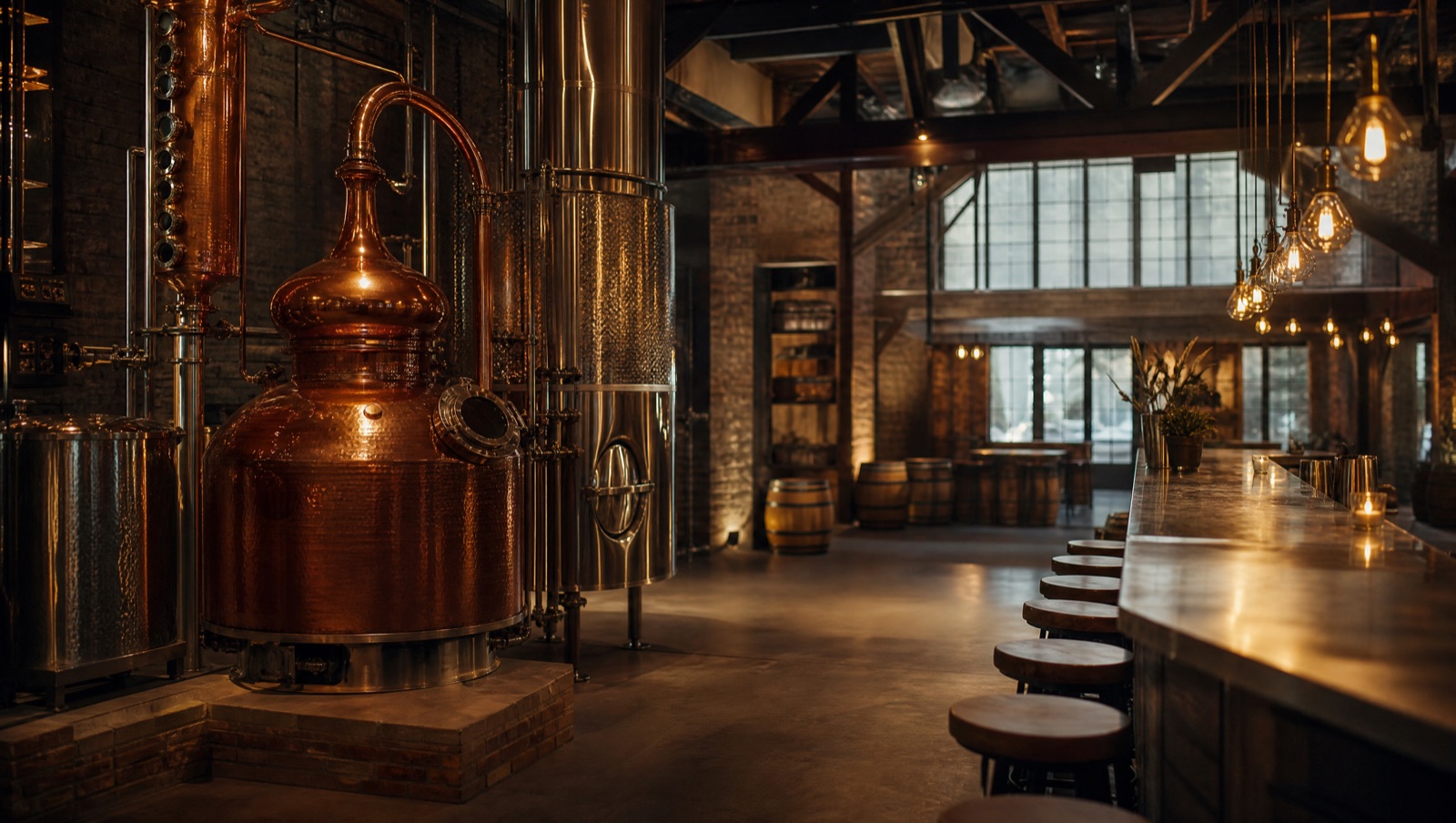
Mammoth Distilling
Reviving heirloom Rosen rye in northern Michigan
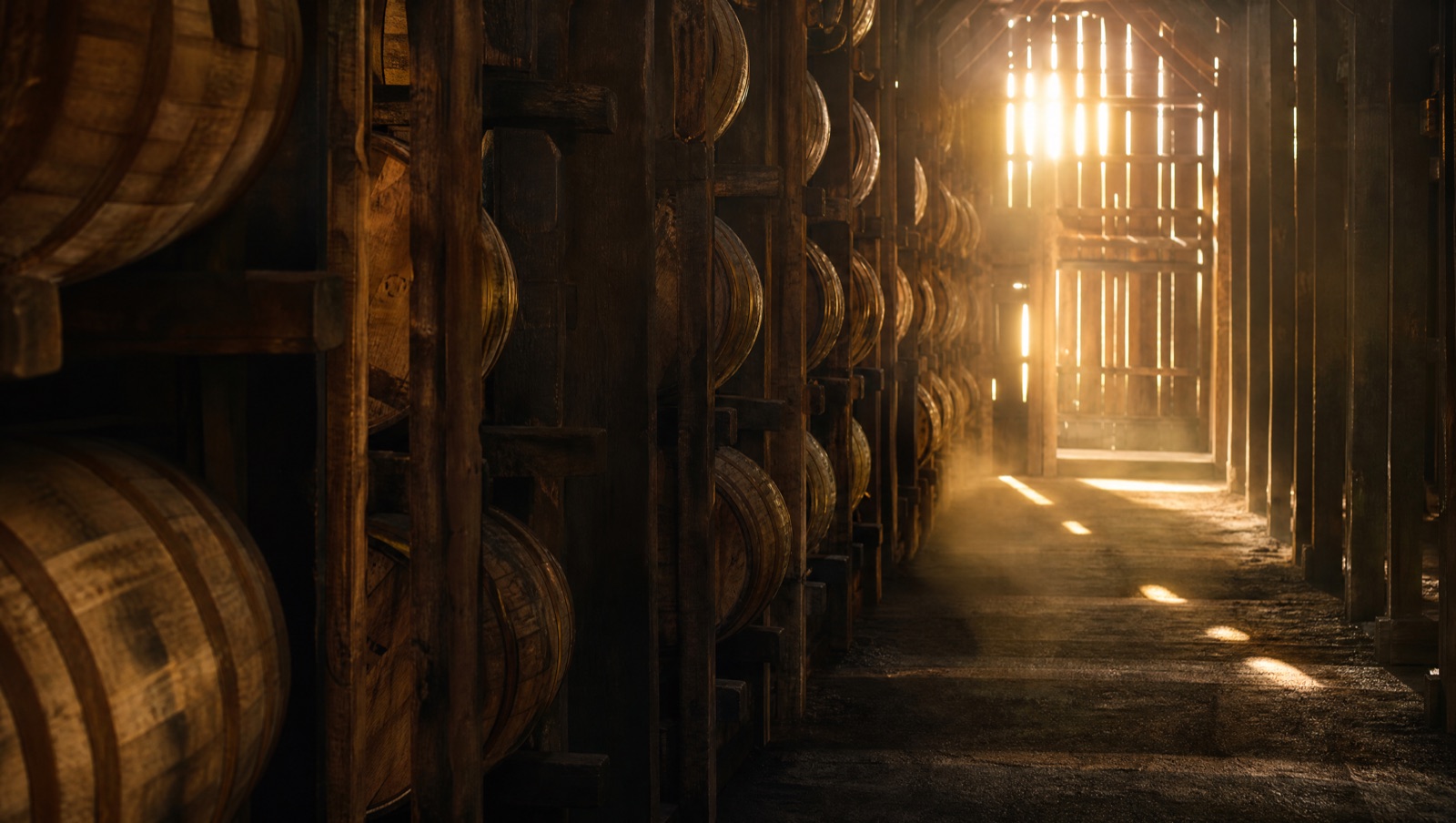
Journeyman Distillery
Certified-organic whiskey in a historic factory
Grand Traverse Distillery
Northern Michigan grain-to-bottle whiskey and barrel tours
About craft spirits distilleries in Midwest (Michigan)
Michigan quietly built itself into one of the Midwest's most prolific craft-spirits states, and a 2008 overhaul of state distilling law lit the fuse on a wave of small producers that now numbers in the dozens. What ties the scene together is a grain-to-glass instinct: many distillers source corn, rye and wheat from farms within a short drive of their stills, then ferment, distil, age and bottle everything under one roof. The result is a category that feels rooted in place rather than borrowed from Kentucky or Scotland. You will find pioneers such as Grand Traverse Distillery, working since 2007 in Traverse City, alongside the cinematic Journeyman Distillery in a restored 1880s factory at Three Oaks, the heirloom-rye-minded Mammoth Distilling, and Detroit's eclectic Two James Spirits. Across the state the through-line is breadth: rye and bourbon, of course, but also vodka, gin, rum and the occasional oddity. For visitors, Michigan craft spirits reward curiosity, because the people pouring are often the same people who farmed, mashed or barrelled what is in your glass.
What makes craft spirits here special
The defining feature of Michigan craft spirits is proximity to the grain. Rather than buying in bulk neutral spirit, producers like Grand Traverse Distillery famously buy grain from a farm just a few miles up the road, so the flavour of a given harvest carries through to the bottle. Rye is a particular signature: Two James, Journeyman, Grand Traverse and Mammoth all lean into state-grown rye, with Mammoth going further by working with heirloom strains that most large distillers abandoned long ago. Settings matter too. Journeyman occupies a converted Featherbone corset factory, all brick and timber, while Two James anchors Detroit's Corktown with a more urban, experimental bent. Expect a genuinely wide remit on any visit, because Michigan distillers rarely confine themselves to one spirit. A single tasting room might pour vodka, gin, rye, bourbon and rum side by side, which makes the state a good place to compare styles without driving hundreds of miles.
What to expect from a craft spirits tasting
A Michigan tasting is usually informal and hands-on. Flights are common, often built to walk you from clear spirits through to aged whiskeys, and staff tend to be candid about what is distilled on site versus blended or finished there. Because so many of these operations are small, you will frequently taste limited or seasonal releases that never leave the building. Many tasting rooms double as cocktail bars, so you can sample a spirit neat and then see it built into a drink, which is a useful way to judge a gin or a rye. Mammoth's network of tasting rooms across Traverse City, Grand Rapids, Bay Harbor and beyond means you can plan a route, while Two James in Detroit offers a livelier city-bar atmosphere. Tours, where offered, lean educational rather than slick: grain, mash, still, barrel, and plenty of room to ask questions.
Planning your visit
Michigan's distilleries cluster in two loose zones that suit different trips. The northwest around Traverse City is scenic and seasonal, ideal to fold into a wine-country or lakeshore weekend, with Grand Traverse and Mammoth both within reach. The southwest corner near Three Oaks puts Journeyman within an easy run of the Indiana and Chicago side, while Detroit anchors the southeast for those wanting an urban tasting room such as Two James. Summer and early autumn are the liveliest months, but they are also the busiest, so weekday afternoons make for calmer visits. Always check current hours and whether tours need booking, as smaller rooms can close for private events. If you intend to taste seriously, line up a designated driver or stay locally, and remember that takeaway bottles are often the only way to keep limited releases once you are home.
Frequently asked
- What is Michigan craft spirits best known for?
- Grain-to-glass production using locally grown grain, and rye whiskey in particular. Distillers such as Grand Traverse, Two James, Journeyman and Mammoth all work with Michigan-grown rye, with Mammoth notable for reviving heirloom strains. Beyond rye you will also find strong showings in vodka, gin, bourbon and rum.
- Where are most of the distilleries concentrated?
- In three loose areas: the northwest around Traverse City (Grand Traverse, Mammoth), the southwest near Three Oaks (Journeyman), and Detroit in the southeast (Two James). This makes it easy to build a tasting route around a single region rather than crossing the whole state.
- Can I tour the distilleries as well as taste?
- Many offer tours alongside their tasting rooms, though formats vary. Smaller producers tend toward informal, educational walk-throughs of the grain, mash, still and barrel process. Always check ahead, since hours and tour availability change seasonally and some rooms close for private events.
- Are these tasting rooms also cocktail bars?
- Frequently, yes. Many Michigan distilleries pour their spirits neat in flights and also serve full cocktails, which is a good way to judge a gin or rye in context. Two James in Detroit's Corktown is a particularly lively example of the distillery-bar model.
- When is the best time to visit?
- Summer and early autumn are the most vibrant, especially around Traverse City, but they are also busiest. Weekday afternoons are quieter. Northern tasting rooms can be seasonal, so confirm hours before travelling.
- Is everything actually distilled on site?
- Most of these producers distil their flagship spirits in house, and many are proudly grain-to-glass. That said, sourcing practices vary by product and producer, so it is worth simply asking the staff, who tend to be open about what is distilled, blended or finished on the premises.