
Craft Spirits · Pacific Northwest
Craft Spirits Distilleries in Pacific Northwest
Tour 5 craft spirits distilleries in Pacific Northwest. Each offers visits, tastings or experiences you can book directly — including Woodinville Whiskey Co., Westward Whiskey, Westland Distillery.
5distilleries
Woodinville Whiskey Co.
Farm-to-bottle bourbon and rye by reservation

About craft spirits distilleries in Pacific Northwest
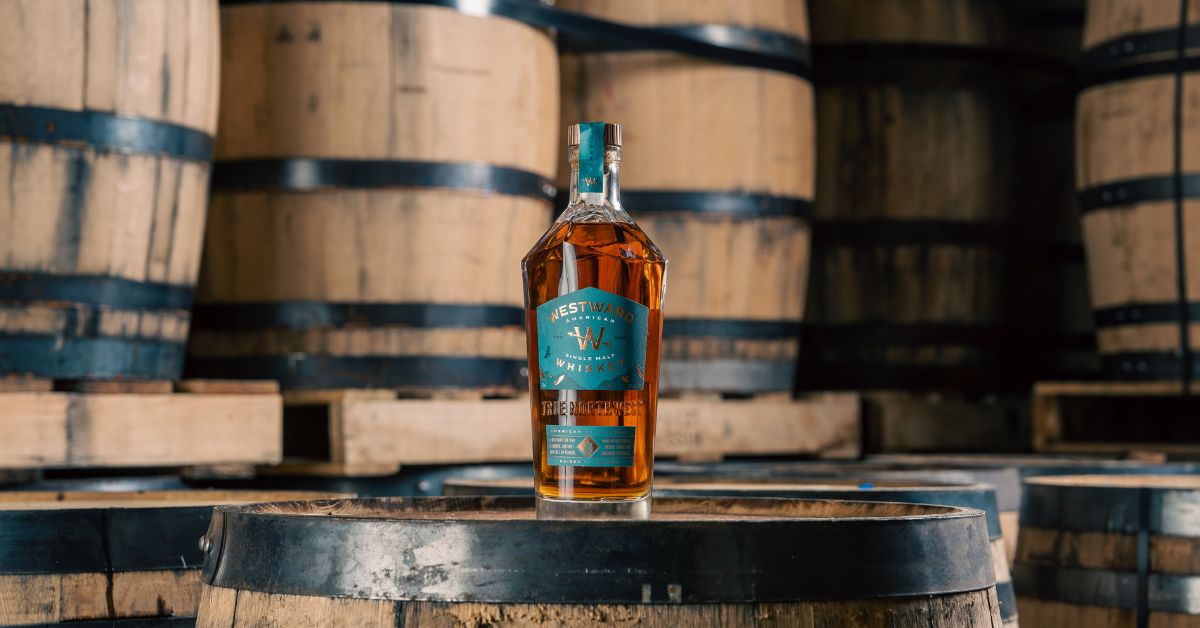
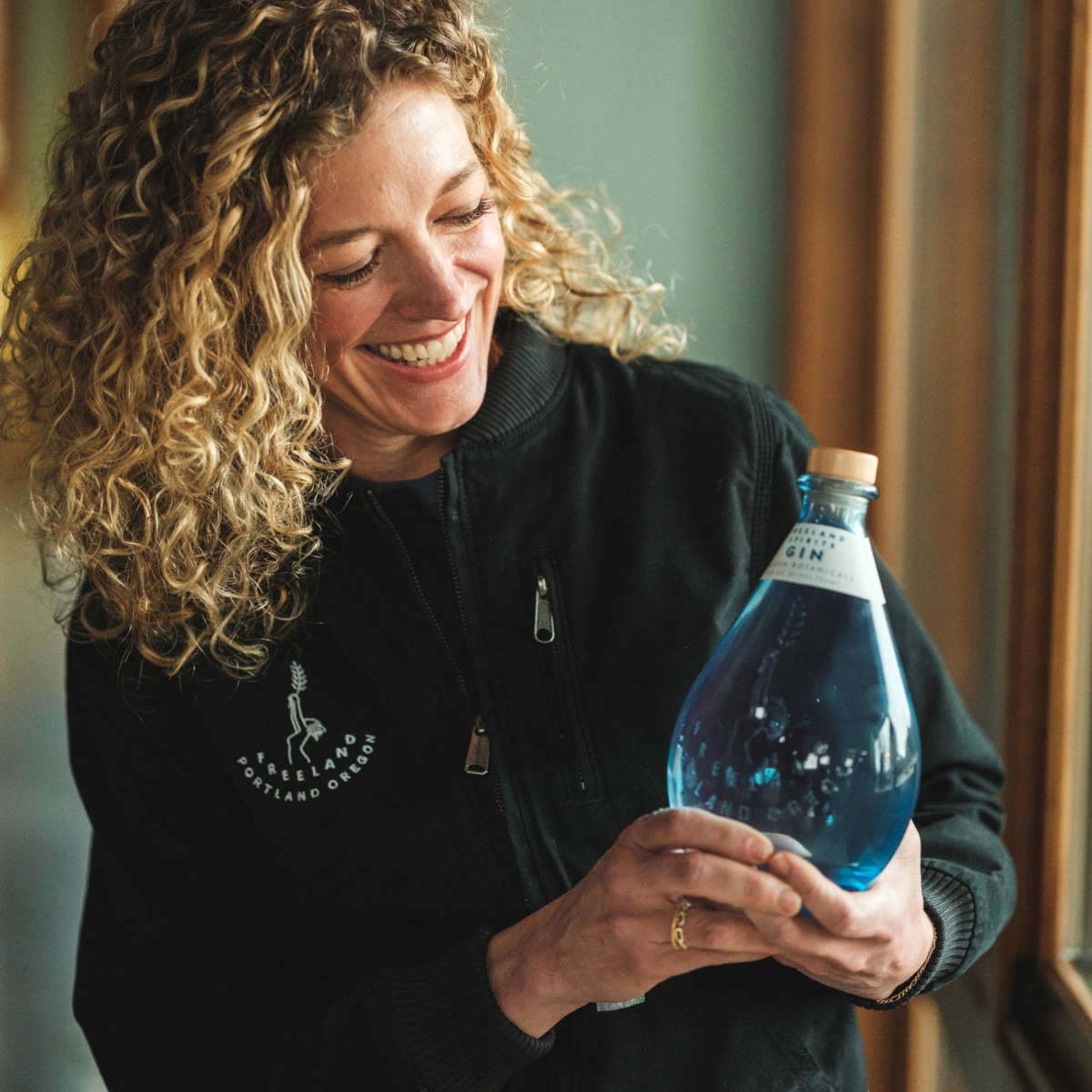
The Pacific Northwest has quietly become one of the most influential craft-spirits regions in North America, and nowhere is that clearer than in whiskey. Stretching across Oregon and Washington, the region is widely regarded as the epicentre of the American single malt movement, with distillers drawing on local barley, distinctive native oak and a craft-brewing heritage to make whiskey that genuinely tastes of where it comes from. Seattle's Westland Distillery is a founding voice of American single malt, building its identity on Pacific Northwest terroir and adventurous cask work, including barrels made from native Garry oak. In Portland, Westward Whiskey ferments Northwest barley with ale yeast to grow into one of the region's largest single malt producers, while Woodinville Whiskey Co. near Seattle is known for bourbon made from Washington-grown grain. Add Crater Lake Spirits and the women-led Freeland Spirits, and the regional roster spans whiskey, gin and beyond. For travellers, it's a category defined by a strong sense of place, ambitious craftsmanship and tasting rooms eager to explain the terroir in the glass.
What makes craft spirits here special
Terroir is the watchword. More than almost any other American region, Pacific Northwest distillers talk about the land in their whiskey, and they back it up. Westland Distillery has built its reputation on local barley and on native Quercus garryana, the Garry oak that grows in the region, using cask experimentation to express the landscape directly. Westward Whiskey leans on Northwest two-row barley fermented with craft ale yeast, a method borrowed straight from the region's celebrated brewing scene, then matures it in American oak. That brewing lineage runs throughout: many of the region's distillers came from beer, and it shows in their command of fermentation and flavour. There's also a strong agricultural backbone, with Woodinville Whiskey Co. sourcing grain grown in Washington's Quincy area. The region isn't whiskey-only, though, with producers such as Freeland Spirits broadening the picture, but it's the single malt and grain whiskey, rooted in local ingredients and native oak, that gives the Pacific Northwest its outsized reputation.
What to expect from a craft-spirits tasting
Tastings here are often serious and educational, particularly at the whiskey houses, where terroir and process are central to the story. At Westland Distillery you might explore how barley variety, peat and that native Garry oak shape the spirit across different series, while at Westward Whiskey the focus falls on ale-yeast fermentation and maturation. Expect hosts who are fluent in the technical detail and keen to connect what's in the glass to the region's barley fields, brewing roots and forests. Flights typically move from younger or unaged spirits up to flagship single malts, and at broader producers like Freeland Spirits or Crater Lake Spirits you'll taste across gin and other categories too. Pours are measured and reflective rather than rushed. Because this is a region that prizes craftsmanship, tasting rooms tend to reward curiosity, so come with questions about cask programmes and grain sourcing, and you'll get genuinely substantive answers.
Planning your visit
The region spans two states, so geography shapes the trip. Seattle and its surrounds are the Washington anchor, with Westland Distillery in the city and Woodinville Whiskey Co. in nearby Woodinville, a well-known wine-and-spirits destination that supports a satisfying tasting day. Portland is the Oregon anchor, home to Westward Whiskey and a dense wider scene. Crater Lake Spirits draws visitors in Central and Southern Oregon, and Freeland Spirits adds a women-led voice to the Portland-area roster. Linking Seattle and Portland makes a natural multi-day road trip along the I-5 corridor. Check tasting-room hours and whether tours need booking, as the more in-demand whiskey houses can fill popular slots. Given the strength of single malt and the distances involved, plan designated drivers, rideshares or transit. Late spring through early autumn offers the easiest driving and the fullest tasting-room schedules across both states.
Frequently asked
- Why is the Pacific Northwest important for craft spirits?
- It's widely considered the epicentre of the American single malt whiskey movement. Distillers like Westland Distillery and Westward Whiskey pioneered the category using local barley, native oak and craft-brewing techniques, giving the region an outsized influence on American whiskey.
- What is special about Westland Distillery's whiskey?
- Westland built its identity on Pacific Northwest terroir, using locally sourced barley and exploring cask work, including barrels made from native Garry oak, Quercus garryana. Its various series examine how barley, peat and oak each shape the final spirit.
- Where should I base a Pacific Northwest spirits trip?
- Seattle and Portland are the two anchors. Seattle puts you near Westland Distillery and Woodinville Whiskey Co. in Woodinville, while Portland is home to Westward Whiskey and a deep wider scene. Linking the two along the I-5 corridor makes a great multi-day road trip.
- Is the region only about whiskey?
- Whiskey, especially single malt, is the headline, but not the whole story. Producers such as Freeland Spirits and Crater Lake Spirits broaden the picture with gin and other categories, so a regional itinerary can take in more than just drams.
- How does the craft-brewing heritage influence the spirits?
- Significantly. Many distillers came from the region's celebrated beer scene, bringing deep fermentation expertise. Westward Whiskey, for example, ferments Northwest barley with craft ale yeast, a technique drawn directly from brewing that shapes its single malt's character.
- When is the best time to visit?
- Late spring through early autumn offers the most comfortable driving and the fullest tasting-room schedules across Oregon and Washington. If you plan to link Seattle and Portland by road, that window makes the journey easiest, though city tasting rooms operate year-round.