
Bourbon · Pennsylvania
Bourbon Distilleries in Pennsylvania
Tour 4 bourbon distilleries in Pennsylvania. Each offers visits, tastings or experiences you can book directly — including Mason Dixon Distillery, Eight Oaks Farm Distillery, Liberty Pole Spirits.
4distilleries
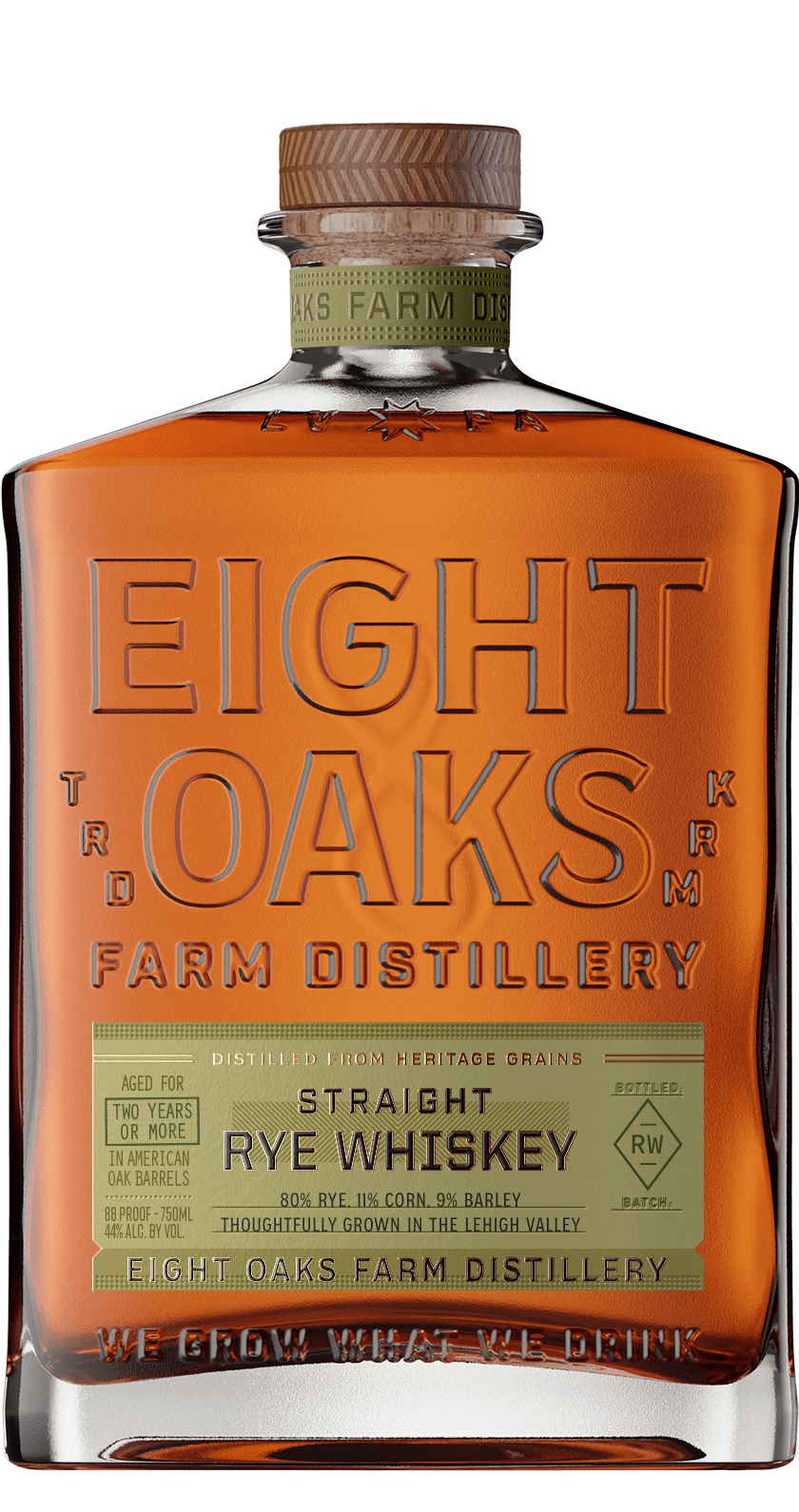
Eight Oaks Farm Distillery
Veteran-owned farm distillery growing its own grain


About bourbon distilleries in Pennsylvania
Pennsylvania is better known to whiskey historians as rye country, but its modern distillers have proven the state can turn out distinctive bourbon too. The same conditions that built America's early spirits trade here in the late 18th and early 19th centuries, when thousands of farm stills dotted the Keystone State, now underpin a small but serious bourbon scene. What sets Pennsylvania bourbon apart is its grain-to-glass, locally sourced philosophy: distillers such as Wigle Whiskey in Pittsburgh draw grains from nearby Washington County farms, while Eight Oaks Farm Distillery in the Lehigh Valley grows much of its own corn and rye on a working farm. Because legal bourbon requires at least 51 percent corn, the bottlings you taste here tend to be rounder and sweeter than the rye-forward whiskeys the region is famous for, yet they often carry a peppery backbone that nods to local tradition. Touring bourbon producers across the state, from Liberty Pole Spirits near Washington to Mason Dixon Distillery in Gettysburg, you'll meet operations that lean into agriculture, history and patient barrel ageing rather than scale. It makes for an unhurried, story-rich way to taste Pennsylvania's whiskey revival.
What makes Bourbon here special
Pennsylvania bourbon is defined less by a single regional style than by the people making it and where the grain comes from. The state sits at the heart of America's original whiskey country, and today's distillers carry that lineage with a strong farm-to-bottle ethic. Wigle Whiskey, one of the most decorated craft distillers in the country, sources nearly all its grain within roughly 100 miles of Pittsburgh and mills, ferments, distills and bottles on site. Eight Oaks Farm Distillery takes the idea further by growing crops on its own land near New Tripoli, so the corn in the bourbon is genuinely local. That closeness to the field tends to produce expressive, characterful spirits rather than uniform ones. You'll also notice many Pennsylvania bourbons carry a touch more spice than classic Kentucky styles, a quiet inheritance from the rye traditions that shaped the region. The result is a category built on heritage, small batches and a clear sense of place.
What to expect from a Bourbon tasting
A bourbon tasting in Pennsylvania is typically intimate and educational rather than slick. At producers like Wigle Whiskey's Strip District home or Mason Dixon Distillery in Gettysburg, you can expect a guided flight that often runs from younger, brighter spirits through to straight, barrel-aged bourbons, sometimes including single-barrel or cask-strength pours where available. Staff usually walk you through the mash bill, the local grains and the ageing process, and many sites pair tastings with cocktails or a food menu. Because several of these distilleries are grain-to-glass, the conversation frequently turns to farming and fermentation as much as the whiskey in the glass. Take your time with each pour, ask about the corn-to-rye ratio, and don't rush the finish, where Pennsylvania's bourbons often reveal their spicier edge.
Planning your visit
Pennsylvania's bourbon producers are spread widely, so it helps to plan around a region. In the southwest, Pittsburgh's Wigle Whiskey and nearby Liberty Pole Spirits make a natural pairing for a weekend rooted in the historic Monongahela whiskey heartland. In the east, Eight Oaks Farm Distillery in the Lehigh Valley and Mason Dixon Distillery in Gettysburg suit a trip combined with Civil War history or Dutch Country touring. Check opening hours and tour times before you travel, as smaller distilleries may run tours only on certain days, and book tasting flights ahead at busier sites. A designated driver is essential given the distances between producers, and many distilleries have on-site bottle shops if you want to take a favourite home.
Frequently asked
- Is Pennsylvania known for bourbon or rye?
- Historically Pennsylvania is rye country, home of the famous Monongahela style, but several modern craft distillers now also produce well-regarded bourbon. Expect Pennsylvania bourbons to lean a little spicier than classic Kentucky examples thanks to that rye heritage.
- Which Pennsylvania distilleries make bourbon?
- Listed producers making bourbon include Wigle Whiskey in Pittsburgh, Eight Oaks Farm Distillery in the Lehigh Valley, Liberty Pole Spirits near Washington, and Mason Dixon Distillery in Gettysburg.
- What does 'grain-to-glass' mean on a tour?
- It means the distillery handles the whole process in-house, often using locally grown grain, from milling and fermentation through distillation, ageing and bottling. Wigle and Eight Oaks are good examples, with Eight Oaks even growing crops on its own farm.
- Do I need to book a bourbon tasting in advance?
- It's wise to book ahead, especially at busier or smaller distilleries where tour slots and tasting flights can be limited. Check each producer's website for current hours, as some run tours only on selected days.
- Can I buy bottles at the distillery?
- Most Pennsylvania craft distilleries have an on-site bottle shop where you can buy their bourbon and other spirits to take home, subject to state regulations.
- Are these distilleries family-friendly?
- Many have welcoming tasting rooms and food, but policies vary, and tastings are obviously for those of legal drinking age. It's best to check ahead if you're travelling with children.
- How spread out are the bourbon distilleries?
- They're scattered across the state, from Pittsburgh in the southwest to the Lehigh Valley and Gettysburg in the east, so it's best to plan a trip around one region rather than trying to cover them all in a day.