
Distillery tours
Distillery Tours in Austria
Plan a distillery tour in Austria: 9 distilleries to visit, with tastings and experiences you can book directly. Expect Craft Spirits, Single Malt, Gin and more. Highlights include Peter Affenzeller Distillery, Reisetbauer, Reisetbauer Qualitätsbrand.
9distilleries
Peter Affenzeller Distillery
Mühlviertel whisky with two tastings

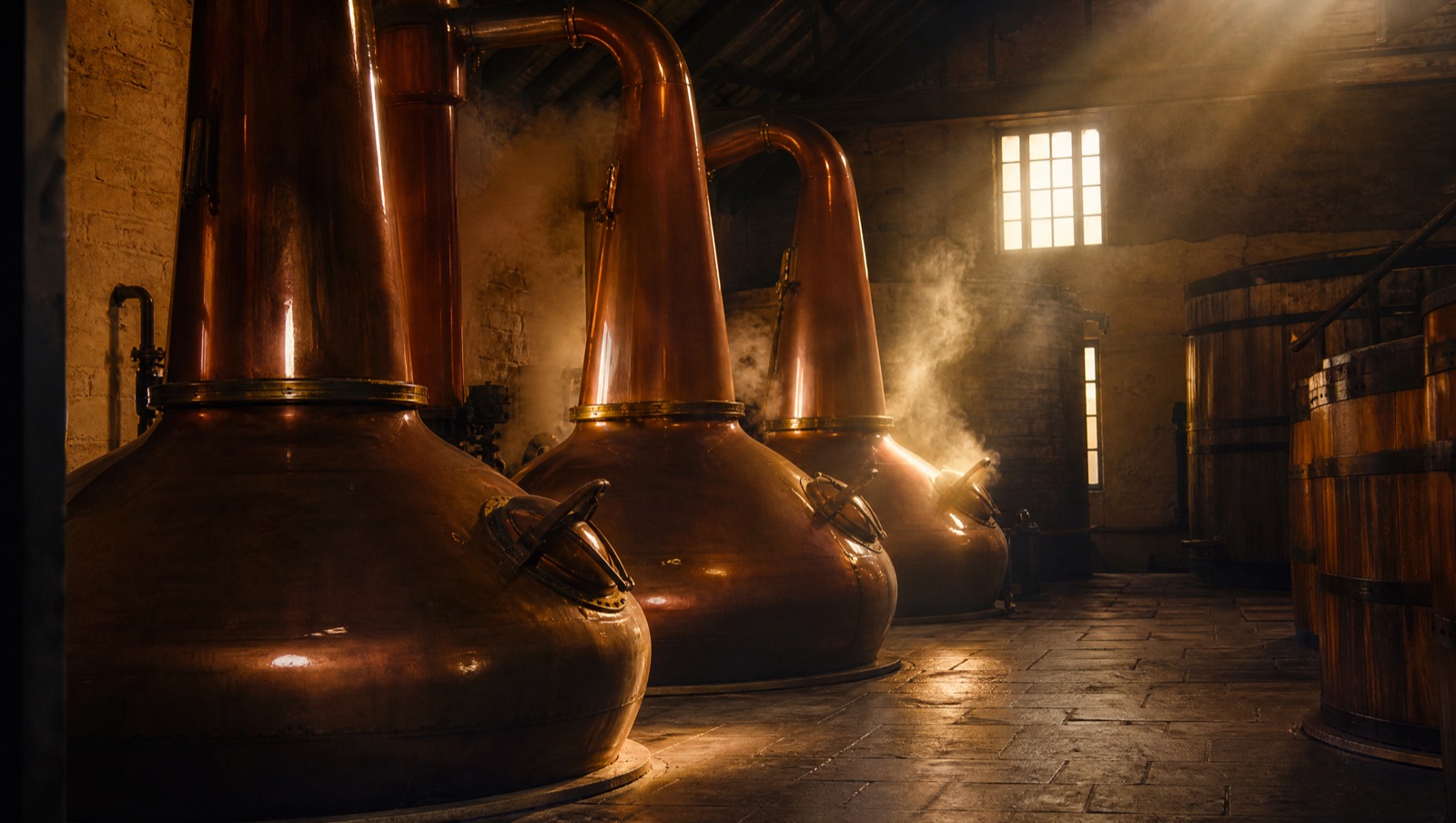

Whiskydestillerie J. Haider — see Roggenhof
Whisky experience world in the Waldviertel
About distillery tours in Austria
Austria's distilling culture runs far deeper than most visitors expect. For centuries the country has been a powerhouse of fruit distillation, turning orchard harvests into crystalline eaux de vie and schnaps that rank among the finest in Europe. The tradition is woven into rural life, particularly across the orchard-rich slopes of Styria and the Alpine valleys of Tirol, where farmhouse stills have long captured the essence of apricots, pears, plums and cherries. In recent decades a new wave of ambition has joined this heritage. Producers such as Reisetbauer helped redefine what Austrian craft spirits could be, applying obsessive precision to single-orchard brandies, while pioneers including Haider's Roggenhof and Broger Privatbrennerei have built a credible Austrian whisky identity from rye and barley grown close to home. Across the country you will find family operations like Destillerie Farthofer, Destillerie Rogner, Peter Affenzeller and Aeijst, each balancing inherited know-how with contemporary experimentation. The result is a distilling scene that rewards curiosity: intimate, regional, deeply tied to the land, and refreshingly free of mass-market gloss. A tour here is as much about landscape and orchard as it is about the glass.
Top regions to explore
Austria's distilling map is shaped by its fruit-growing geography. Upper Austria is a natural starting point, home to celebrated names including Reisetbauer, whose eaux de vie helped put the country on the international map. Styria, often called Austria's orchard, is prized for apples and stone fruit and supports a dense network of small farmhouse distillers. To the west, Vorarlberg's Alpine valleys produce precise mountain spirits, with Broger Privatbrennerei a strong representative of the region's fruit and whisky work. Lower Austria, meanwhile, has become the heartland of Austrian whisky, anchored by Haider's Roggenhof and complemented by makers such as Destillerie Farthofer and Destillerie Rogner. Tirol rounds things out with its long-established schnaps routes through North and East Tirol, where dozens of small producers welcome visitors. Rather than racing across the whole country, it pays to pick one or two regions and explore them slowly, letting the local fruit and grain dictate the character of what you taste.
Planning a distillery trip
Austrian distilleries are predominantly small and family-run, which makes for warm, personal visits but also means opening hours can be limited and tastings are often by appointment. Booking ahead is strongly advised, especially for the more renowned producers and during harvest season when distillers are at their busiest. Spring and autumn are the most rewarding times to visit: autumn in particular brings the fruit harvest and active distilling, while early summer is ideal for combining tours with hiking or cycling. Many producers, including names like Peter Affenzeller and Aeijst, build their identity around their own orchards, so a visit frequently includes a walk through the trees that supplied your glass. Consider pairing distillery stops with the regions' food traditions, from Styrian pumpkin-seed oil to Alpine cheeses, which complement the spirits beautifully.
Getting around
Austria has an excellent rail network linking major hubs such as Vienna, Linz, Graz, Salzburg and Innsbruck, but the distilleries themselves tend to sit in rural orchard country and Alpine valleys that are far easier to reach by car. Hiring a vehicle gives you the freedom to follow routes like the Tirol schnaps trail or to string together producers across Styria and Lower Austria at your own pace. If you intend to taste, plan a designated driver or build your itinerary around overnight stays in nearby villages and market towns. Given that these are full-strength fruit brandies and whiskies, moderation is essential. For travellers without a car, basing yourself in a regional town and arranging visits to a cluster of nearby distilleries is a practical and relaxed alternative.
Frequently asked
- What is Austria best known for distilling?
- Austria is celebrated above all for its fruit eaux de vie and schnaps, made from orchard fruit such as apricots, pears, plums and cherries. Alongside this deep brandy tradition, the country has built a respected craft whisky scene, particularly in Lower Austria, plus a growing number of gins.
- Do I need to book Austrian distillery tours in advance?
- Usually yes. Most Austrian distilleries are small, family-run operations with limited opening hours, and tastings are often by appointment. Booking ahead avoids disappointment, especially for well-known producers and during the busy autumn harvest.
- When is the best time to visit?
- Spring and autumn are ideal. Autumn coincides with the fruit harvest and active distilling, offering the fullest behind-the-scenes experience, while late spring and early summer are perfect for pairing visits with hiking and cycling through the orchards and valleys.
- Is Austrian whisky worth seeking out?
- Increasingly so. Pioneers such as Haider's Roggenhof helped establish a genuine Austrian whisky identity using locally grown grain, and makers like Broger and Peter Affenzeller continue to expand the category with distinctive regional character.
- How do I get between distilleries?
- A hire car is the most practical option, as distilleries cluster in rural orchard regions and Alpine valleys. Trains connect the main cities well, but rural producers are difficult to reach without driving, so plan a designated driver if you intend to taste.
- What is the difference between schnaps and eau de vie in Austria?
- The terms overlap considerably. Both refer to clear, unaged fruit spirits distilled from fermented fruit. In Austria the finest examples are intensely aromatic and capture the pure character of a single fruit variety, often from a specific orchard or region.