
Single Malt · Belgium
Single Malt Distilleries in Belgium
Tour 7 single malt distilleries in Belgium. Each offers visits, tastings or experiences you can book directly — including Stokerij De Molenberg, Braeckman Distillery, Stokerij Wilderen.
7distilleries

Filliers Distillery
Distilling jenever, gin and whisky since 1792
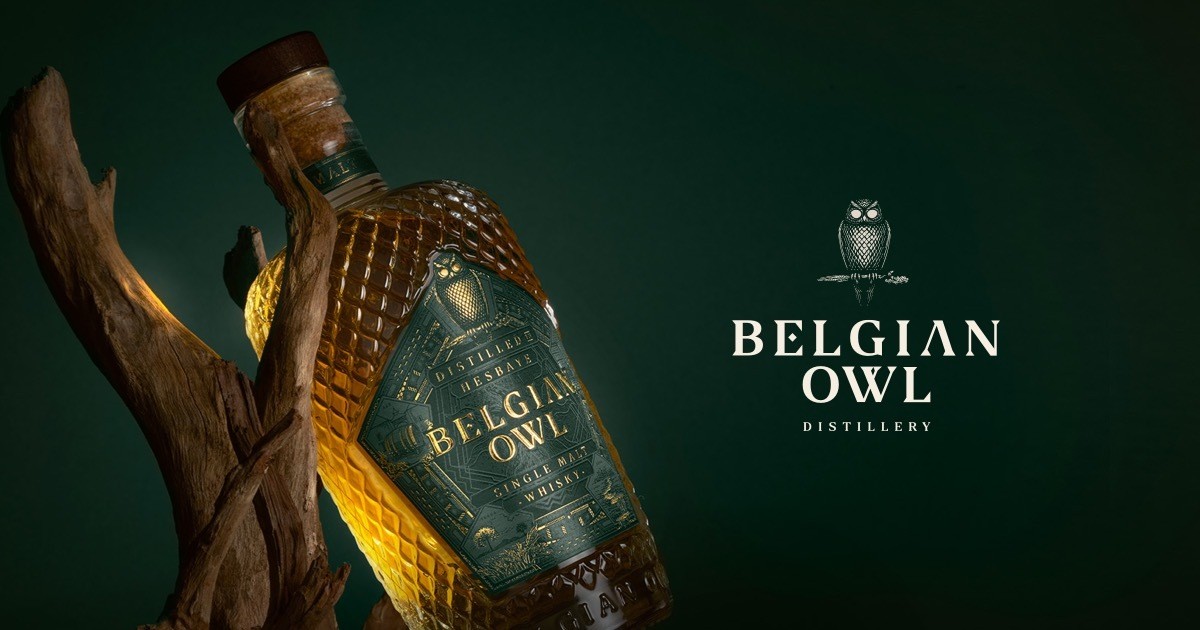
Belgian Owl Distillery
Belgium's pioneering single malt in the Hesbaye
About single malt distilleries in Belgium
Belgium may be best known for beer, but its single malt whisky scene has quietly grown into one of continental Europe's most interesting. The country's brewing heritage gives its distillers a natural head start: barley, malting know-how and copper craft were already woven into the landscape long before whisky became fashionable. The Belgian Owl Distillery near Liège, founded in 2004 by Etienne Bouillon, is widely credited as the country's first whisky maker, distilling on stills brought over from Speyside's former Caperdonich distillery and using barley grown locally in Wallonia. In Flanders, Stokerij De Molenberg works from one of Belgium's oldest distilling sites and transforms mash from Gouden Carolus Tripel beer into pot-still single malt. Add the long-established grain houses such as Filliers and Braeckman, plus newer ventures at Stokerij Wilderen and Brouwerij-Stokerij De Graal, and you have a compact but characterful trail. Tasting Belgian single malt is a chance to see how a beer-soaked country reinvents itself one cask at a time, often within a short drive of historic city centres.
Single malt: styles & how it's made
Belgian single malt follows the classic definition: spirit distilled entirely from malted barley at a single distillery and matured in oak. What sets the local interpretation apart is the brewing crossover. Several producers ferment with brewer's expertise, and Stokerij De Molenberg famously draws on the mash behind its Gouden Carolus beers, distilling in hand-hammered copper pot stills. Belgian Owl leans the other way, championing the influence of local Wallonian barley and its Speyside-built stills to make an unpeated, fruit-forward malt. You will find a spread of cask styles, from first-fill bourbon barrels to wine and sherry finishes, reflecting Belgium's openness to experimentation. Because the category is young, expect transparency about grain origin, fermentation and wood, with distillers usually happy to talk you through every stage. Peated expressions exist but are the exception; most Belgian malt is gentle, malty and aromatic.
Where to taste single malt in Belgium
The single malt trail spans both linguistic communities. In Wallonia, the Belgian Owl Distillery offers a window into the country's whisky origins, a manageable trip from Liège. Over in Flanders, Stokerij De Molenberg at Blaasveld pairs its distillery with a visitor centre, museum and tasting room set on a centuries-old site near Mechelen and Antwerp. The grain distilleries broaden the picture: Filliers, the largest in the country and family-run since the 19th century, has branched into malt alongside its genever; Braeckman in Oudenaarde and Stokerij Wilderen in Limburg both run whisky alongside their core ranges; and Brouwerij-Stokerij De Graal and The Bassets Craft Distillery round out the scene with smaller-batch releases. Distances between them are short by international standards, so two or three visits in a weekend is realistic.
Planning a trip
Belgium's size is its great advantage: most distilleries sit within an hour or two of Brussels, Antwerp or Liège, and the rail network connects the major cities quickly. For rural sites such as Wilderen or Molenberg, a car or a planned taxi is the most reliable way in, and it lets the driver swap a dram for a take-home bottle. Always book tours in advance, as many of these are working family businesses with limited slots rather than large visitor operations. Spring and autumn are pleasant for combining a distillery visit with a stroll through nearby historic towns. Bear in mind the language split when you plan: Flanders is Dutch-speaking, Wallonia French-speaking, and the Radermacher area near the eastern border is German-speaking, though English is widely understood on tours.
Frequently asked
- Which is Belgium's first single malt whisky distillery?
- The Belgian Owl Distillery near Liège, founded in 2004 by Etienne Bouillon, is generally regarded as the first to produce whisky in Belgium. It distils on stills originally from Speyside's former Caperdonich distillery.
- What makes Belgian single malt different from Scotch?
- The biggest distinction is the brewing crossover. Belgium's deep beer culture means several distillers bring brewer's fermentation expertise, and some, like Stokerij De Molenberg, distil from the mash behind their own beers. Most Belgian malt is unpeated, malty and fruit-forward.
- Can I visit Belgian whisky distilleries on a tour?
- Yes. Belgian Owl and Stokerij De Molenberg both welcome visitors, the latter with a dedicated visitor centre and museum. Several others, including Filliers and Wilderen, offer tours, but these are often family-run with limited slots, so booking ahead is essential.
- How do I get between the distilleries?
- Belgium's compact geography means most sites are within an hour or two of a major city. Trains link the cities quickly, but rural distilleries are easiest to reach by car. If you are tasting, arrange a designated driver or taxi.
- Is Belgian single malt peated?
- Mostly no. The prevailing style is gentle and unpeated, emphasising malt character, fruit and cask influence. Peated expressions do appear occasionally, but they are the exception rather than the rule.
- What else can I do near these distilleries?
- Plenty. Stokerij De Molenberg sits near Mechelen and Antwerp, Belgian Owl is close to Liège, and many sites are a short hop from historic town centres, beer cafes and the countryside, making it easy to build a wider weekend around a tasting.