
Single Malt · India
Single Malt Distilleries in India
Tour 5 single malt distilleries in India. Each offers visits, tastings or experiences you can book directly — including Amrut Distilleries, Paul John Distillery, Piccadily Distillery (Indri).
5distilleries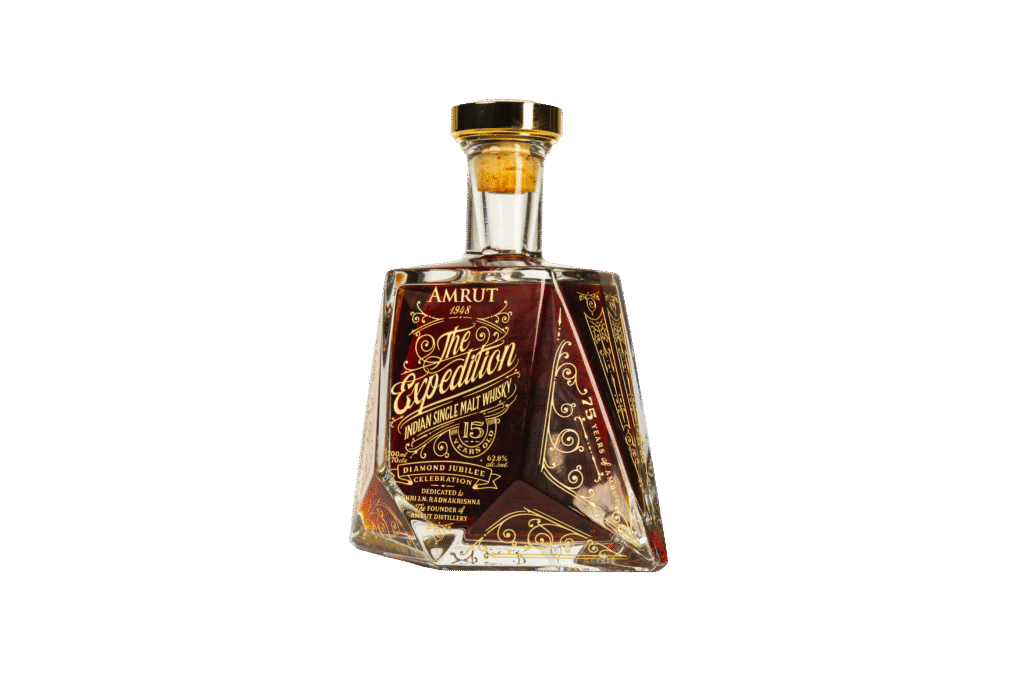

About single malt distilleries in India
India has gone from whisky outsider to one of the most talked-about single-malt origins in the world. The category is built on a simple twist of geography: malt whisky distilled from 100% malted barley in copper pot stills, then matured in a hot, often humid climate that ages spirit far faster than the cool cellars of Scotland. The result is a bold, fruit-forward, richly concentrated style that has begun winning major blind-judged international awards. Five producers lead the way. Amrut Distilleries in Bangalore was the pioneer, launching India's first single malt and proving the concept could win over sceptics abroad. Paul John Distillery in Goa works in a humid, coastal setting that yields softer, fruit-led whiskies, and its Paul John Visitor Centre has made the category accessible to travellers. In the north, Rampur Distillery (Radico Khaitan) draws on extreme seasonal swings for a creamy, stone-fruit style, while Piccadily Distillery, maker of Indri, has built a modern, globally minded operation in Haryana. Together they have redefined what Indian whisky can mean.
Single Malt: styles & how it's made
Indian single malt follows the classic template — 100% malted barley, distilled at a single distillery in copper pot stills — but the climate does the heavy lifting. Tropical heat accelerates the interaction between spirit and cask, so whiskies reach impressive depth and colour in fewer years than their Scottish counterparts, with a correspondingly generous 'angel's share' lost to evaporation. Each producer expresses this differently. Amrut, at altitude in Bangalore, leans into intense, concentrated maturation. Paul John, in coastal Goa, produces a softer, more fruit-led and detailed profile shaped by humidity. Rampur, in the northern plains, uses scorching summers and cold winters to build stone-fruit sweetness, a creamy mouthfeel and well-integrated oak. Indri, from Piccadily Distillery in Haryana, was designed from the outset for the global stage and offers a range of cask expressions. Across all of them you will find both peated and unpeated styles, and a confident use of ex-bourbon, ex-sherry and other casks that the fast maturation brings vividly to life.
Where to taste Single Malt in India
Goa is the most visitor-friendly starting point thanks to the Paul John Visitor Centre, which is purpose-built to introduce travellers to the distillery's coastal single malts and is easy to combine with a beach holiday. Amrut Distilleries in Bangalore holds pride of place as the category's pioneer and a must for serious enthusiasts exploring the south. In the north, Rampur Distillery (Radico Khaitan) and Piccadily Distillery, home of Indri, sit within reach of the Delhi region and the Himalayan foothills, an area increasingly central to India's whisky story. Whisky tourism is still emerging here, so visitor access varies between producers and it is worth confirming arrangements before you travel. Where tastings are offered, expect to compare flagship bottlings against limited or cask-strength editions and to taste how rapid tropical maturation shapes flavour.
What to expect on a tour & planning a trip
Indian single-malt tourism is young but growing fast, with distilleries increasingly seeing visitor experiences as part of their brand story. The Paul John Visitor Centre in Goa is the clearest example of a venue built for guests, while other producers may offer more limited or by-arrangement access. A natural itinerary splits between south and north: Goa for Paul John and beaches, Bangalore for Amrut and the southern cities, and the Delhi-to-Himalayan-foothills corridor for Rampur and Indri. India's distances are large, so plan around flights between regions rather than long drives. Heat is a constant factor — the cooler months are far more comfortable for travel and tasting. Because whisky tourism is still developing, booking ahead and confirming what each distillery offers is essential. The reward is tasting, at source, a style of single malt that has rewritten the global map in barely two decades.
Frequently asked
- Why is Indian single malt different from Scotch?
- The method is the same — malted barley distilled in pot stills at a single distillery — but India's hot, often humid climate matures the spirit far faster, producing a bold, concentrated, fruit-forward style and a large angel's share.
- Which Indian distilleries can I visit?
- Paul John in Goa is the most visitor-ready, with a dedicated visitor centre. Amrut in Bangalore is the category pioneer, and Rampur and Indri (Piccadily) sit in the north. Access varies, so confirm before you travel.
- What makes each producer's style unique?
- Amrut leans into intense altitude maturation, Paul John offers softer coastal fruitiness, Rampur shows stone-fruit sweetness and creaminess from extreme seasons, and Indri is built as a modern, globally focused range.
- Is whisky tourism well established in India?
- It is still emerging but growing quickly. The Paul John Visitor Centre is the clearest dedicated experience; other producers may offer more limited or by-arrangement visits, so it is best to check ahead.
- When is the best time to visit Indian distilleries?
- The cooler months are far more comfortable for travel and tasting, given India's heat. Plan around the season and around domestic flights, since distilleries are spread across the country.
- How do I travel between the distilleries?
- Distances are large, so flying between regions is the practical option — Goa for Paul John, Bangalore for Amrut, and the Delhi-to-foothills corridor for Rampur and Indri.
- Can I taste limited or cask-strength editions?
- Where tastings are available, you can often compare flagship bottlings with limited or cask-strength releases and experience how rapid tropical maturation shapes the whisky at source.