
Distillery tours
Distillery Tours in New York
Plan a distillery tour in New York: 14 distilleries to visit, with tastings and experiences you can book directly. Expect Craft Spirits, Gin, Bourbon and more. Highlights include Widow Jane Distillery, Van Brunt Stillhouse, Tenmile Distillery.
14distilleries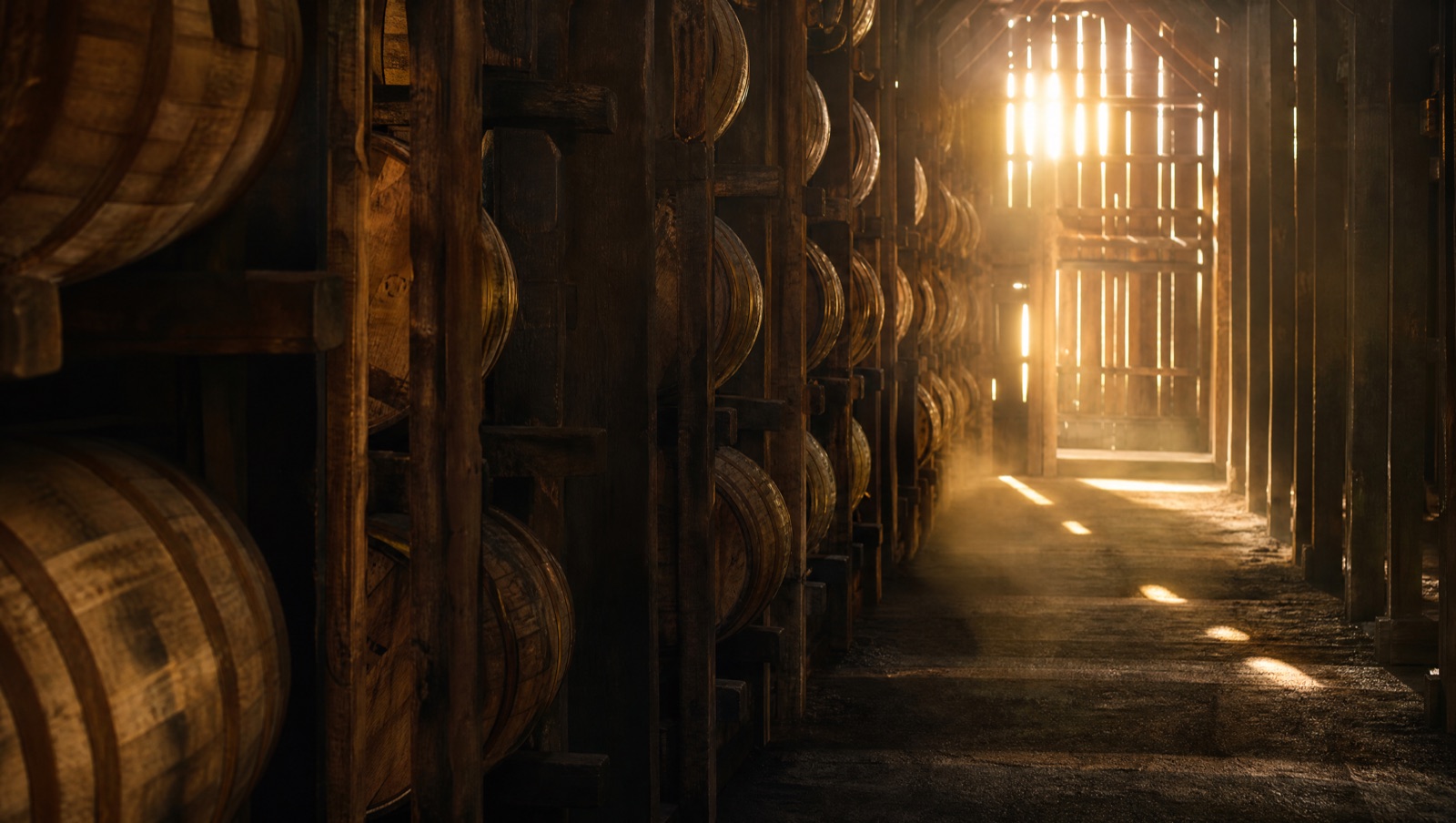
Springbrook Hollow Farm Distillery
Adirondack foothills farm distillery near Lake George
About distillery tours in New York
New York has quietly become one of the most exciting distilling states in America, and arguably the leader east of the Mississippi. Its roots run deep: the first commercial distillery in North America was built on Staten Island in 1640, where Dutch settlers made a new-world genever from grain and local botanicals. The state's modern renaissance dates to the 2007 Farm Distillery Act, which made it far easier to set up shop and sell directly to visitors. The result is a remarkably varied scene, from grain-to-glass farm operations in the Hudson Valley and Finger Lakes to scrappy urban stillhouses in Brooklyn.
That variety is the joy of touring here. In the Finger Lakes, Finger Lakes Distilling in Burdett sits among the vineyards above Seneca Lake; in the Hudson Valley, Coppersea Distilling near New Paltz works floor-malted grain in the old style, while Catskill Distilling Company and Tenmile Distillery anchor the region's whiskey trail. Up in the capital region you'll find Albany Distilling Company and Springbrook Hollow near Lake George. Down in the city, Red Hook alone packs in Widow Jane and Van Brunt Stillhouse, with Greenhook Ginsmiths, Breuckelen Distilling and Fort Hamilton Distillery elsewhere in Brooklyn.
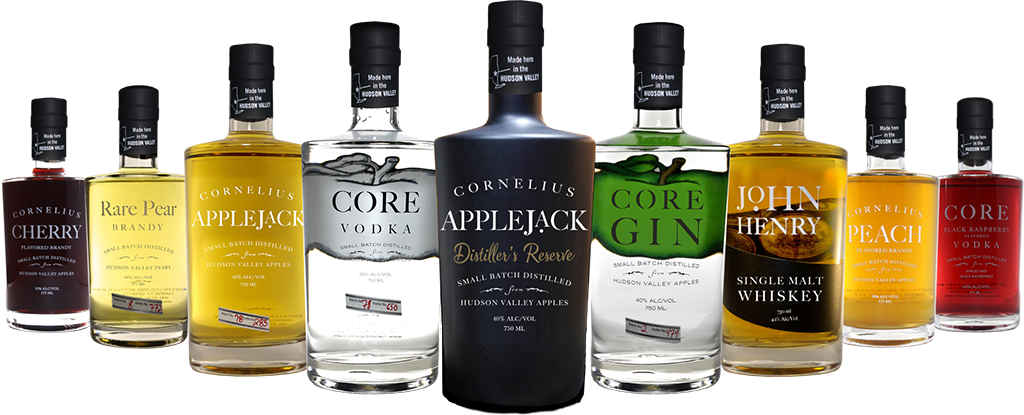
Expect everything from bourbon, rye and single-malt to gin, vodka, apple brandy and farm-grown experiments. Most tours pair a walk past the stills with a guided tasting, and many sit beside orchards, lakes or working farms.
What to expect on a tour
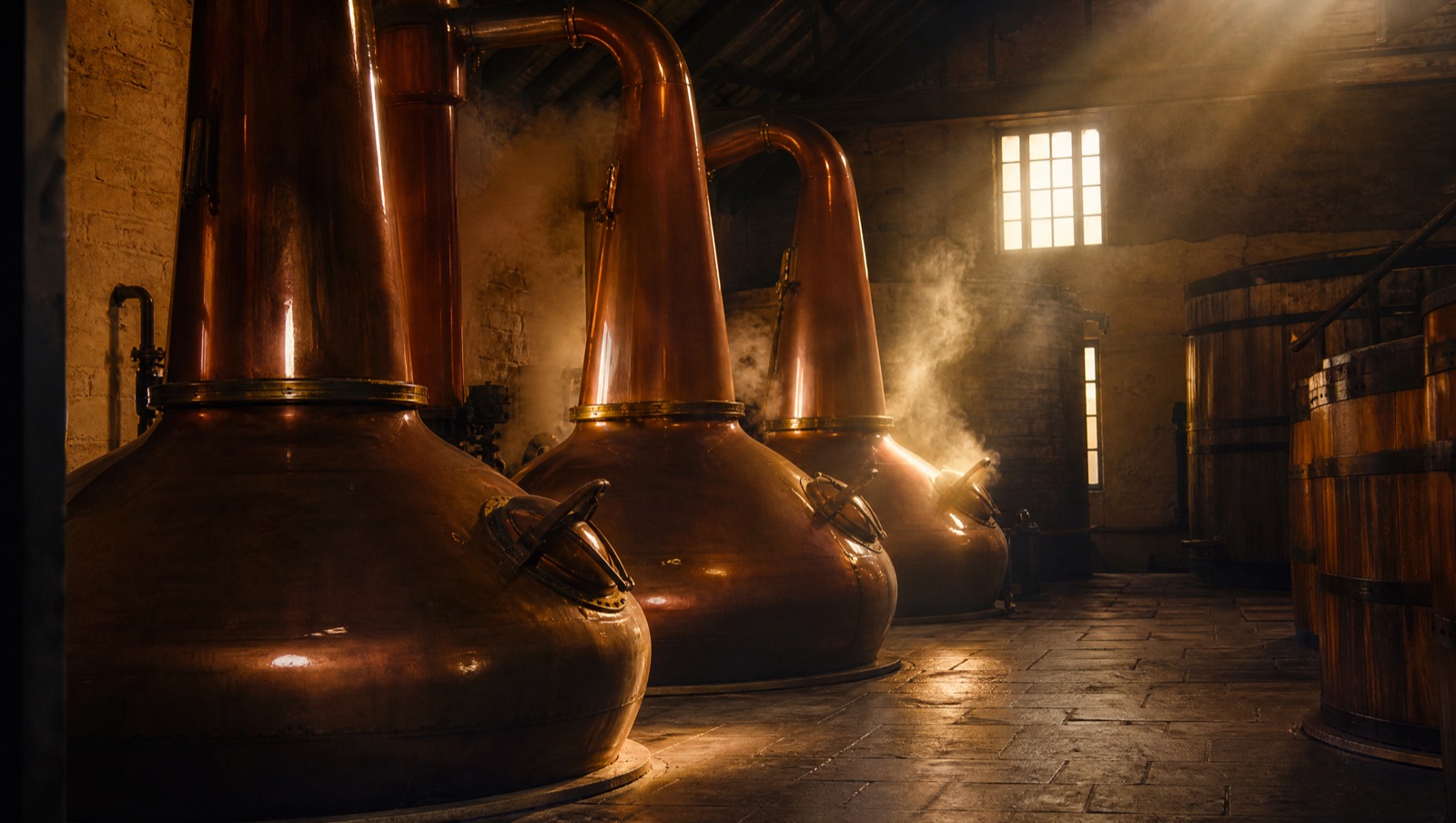
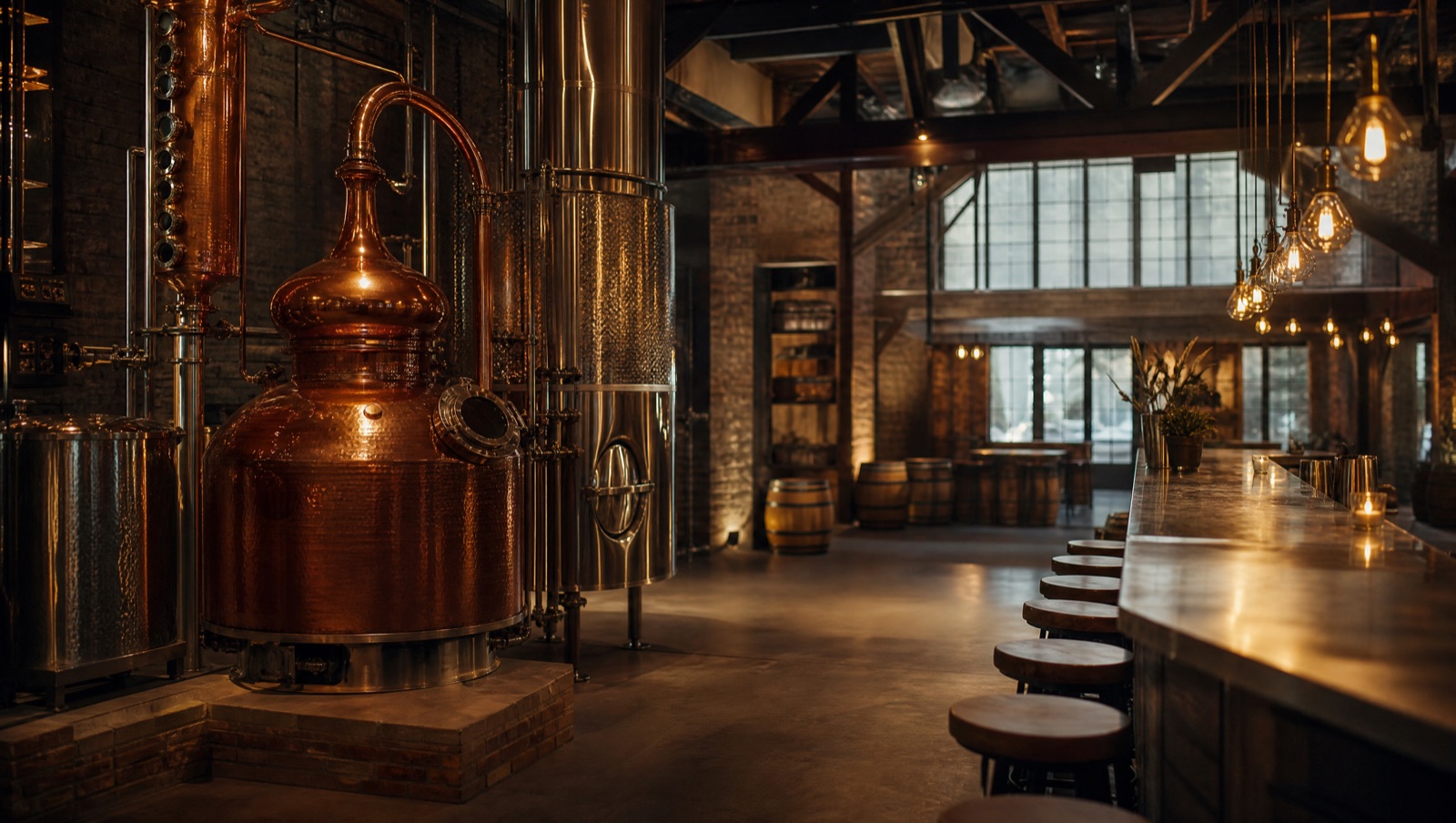
New York's distilleries split roughly into two characters, and the tour reflects which you visit. At rural farm distilleries such as Coppersea, Finger Lakes Distilling, Harvest Spirits Farm Distillery or Springbrook Hollow Farm Distillery, tours often emphasise the agricultural story: the local grain or orchard fruit, mashing and fermentation, the copper stills, and barrels resting in a warehouse. You'll usually finish in a tasting room or farm shop with several pours to sample. At Brooklyn stillhouses like Widow Jane, Van Brunt Stillhouse or Breuckelen Distilling, the experience is more compact and urban, with production, ageing and tasting frequently under one roof.
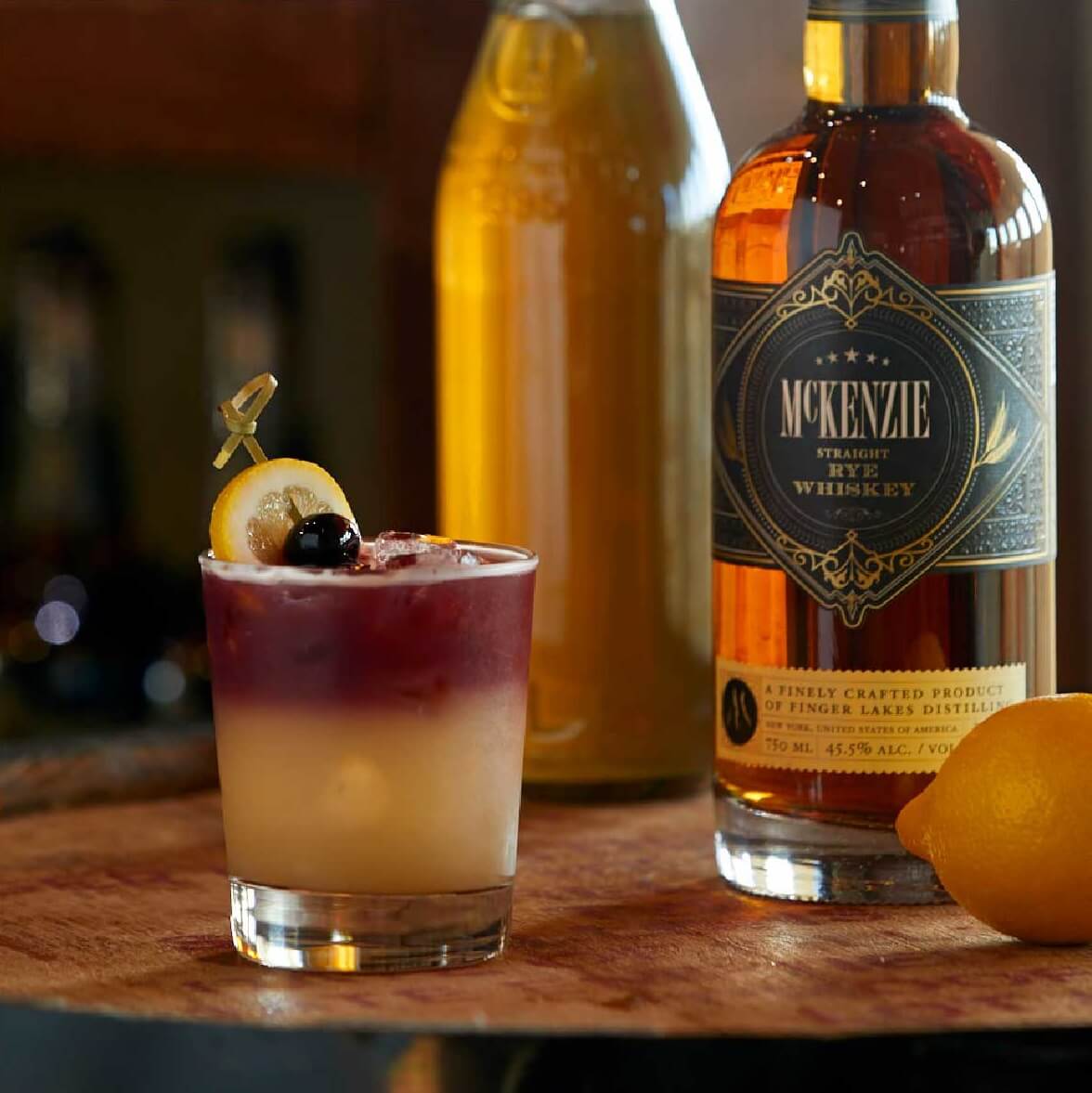
A typical tour runs around 30 to 60 minutes and ends with a flight of tastings, usually three to five spirits. Staff are generally hands-on owners or distillers, so it's an unusually candid, informative experience. Bottles are available to buy on site, and many places have a bar or cocktail menu where you can settle in afterwards.
Best time to visit
New York rewards visitors year-round, but the shoulder and warm seasons are the sweet spot for distillery touring. Late spring through autumn is ideal in the Finger Lakes and Hudson Valley, when tasting rooms keep their fullest hours, farm settings look their best, and you can pair distilleries with vineyards, orchards and hiking. Autumn is especially atmospheric: harvest is in full swing, apple-brandy producers like Harvest Spirits are at their busiest, and the foliage along the lakes and the Catskills is spectacular.
Some rural distilleries run reduced winter hours or weekend-only tours, so always check ahead off-season. Brooklyn distilleries tend to stay open through the colder months, making the city a reliable cold-weather option. Weekends are liveliest everywhere; if you prefer a quieter, more conversational visit, aim for a weekday afternoon.
Getting there & around
New York's distilleries are spread across very different landscapes, so plan by region. The Brooklyn cluster, including the Red Hook pair of Widow Jane and Van Brunt Stillhouse, is reachable by subway, bus or rideshare, which makes a car-free tasting crawl genuinely easy. This is the simplest option if you want to taste freely without worrying about driving.
The Hudson Valley (Coppersea, Catskill Distilling Company, Tenmile) and the Finger Lakes (Finger Lakes Distilling) are rural and best explored by car, ideally as part of a wider craft-beverage or wine-trail itinerary. If you intend to taste at several stops, the responsible approach is a designated driver, a hired car or a guided tour. Amtrak serves Albany, Hudson and the broader region, and many travellers base themselves in a town such as New Paltz, Ithaca or Hudson and use local transport or tours from there.
Frequently asked
- Do I need to book a distillery tour in advance?
- It varies. Smaller farm distilleries and Brooklyn stillhouses often run scheduled tours at set times, sometimes only at weekends, so booking ahead is wise, especially in peak season or for groups. Many tasting rooms welcome walk-ins for tastings even when a formal tour isn't running. Check each distillery's website or call before you go, particularly off-season when hours can be reduced.
- How much does a tour and tasting cost?
- Prices vary by distillery and what's included. Many charge a modest fee for a guided tour with a tasting flight, and some waive or credit it toward a bottle purchase. Tasting-only flights are usually inexpensive. Treat any figures as a guide and confirm current pricing directly, as it changes and differs between rural farm distilleries and city operations.
- How many distilleries can I realistically visit in a day?
- In Brooklyn, where stops like Widow Jane, Van Brunt Stillhouse and Greenhook are relatively close and reachable without a car, two or three in a day is comfortable. In the rural Hudson Valley or Finger Lakes, driving distances mean two is a relaxed day and three is ambitious. Building in time for lunch and the journey makes for a far more enjoyable visit than rushing between stops.
- Can I drive between distilleries and still taste?
- If you're driving, never drink and drive. Tastings serve real spirits and add up quickly. The safest approach for a multi-stop rural day is a designated driver, a hired car or a guided tour. In Brooklyn, public transport and rideshare let you taste without driving at all, which is why the city cluster is so popular for tasting trips.
- Are distillery tours suitable for children and families?
- Policies differ. Some farm distilleries with orchards or shops, such as Harvest Spirits or Springbrook Hollow, are family-friendly settings, while others operate as adult tasting venues with minimum-age rules. Tastings themselves are for those of legal drinking age (21 in New York). If you're travelling with children, check the specific distillery's policy in advance.
- Are the distilleries accessible for visitors with mobility needs?
- Accessibility varies widely. Purpose-built tasting rooms tend to be straightforward, but some distilleries occupy older farm buildings, warehouses or multi-level industrial spaces with stairs and uneven floors. If step-free access matters to you, contact the distillery beforehand to confirm what the tour route and tasting area involve.
- What kinds of spirits will I get to taste in New York?
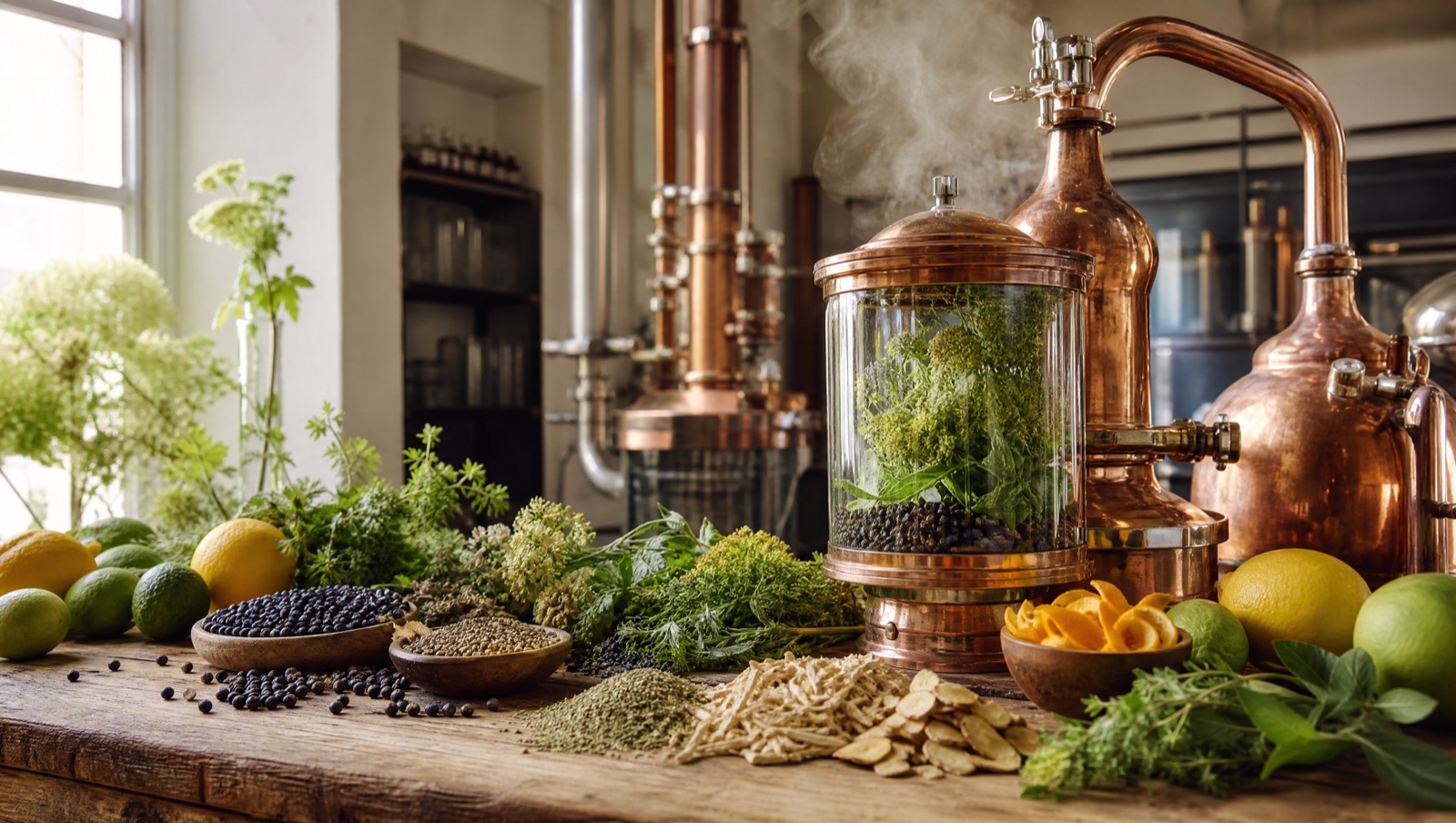
- Expect real breadth. New York producers make bourbon, rye and single-malt whiskey, gin, vodka, and fruit spirits such as apple and pear brandy. Many lean into the grain-to-glass or farm-to-glass ethos, using New York grain and fruit. Coppersea is known for old-style floor malting, Greenhook for gin, and Widow Jane and Catskill Distilling for whiskey, so each stop offers something distinct.