
Distillery tours
Distillery Tours in Spain
Plan a distillery tour in Spain: 10 distilleries to visit, with tastings and experiences you can book directly. Expect Gin, Rum, Single Malt and more. Highlights include Destilerías Aldea (Ron Aldea), Puerto de Indias, Destilerías Acha.
10distilleries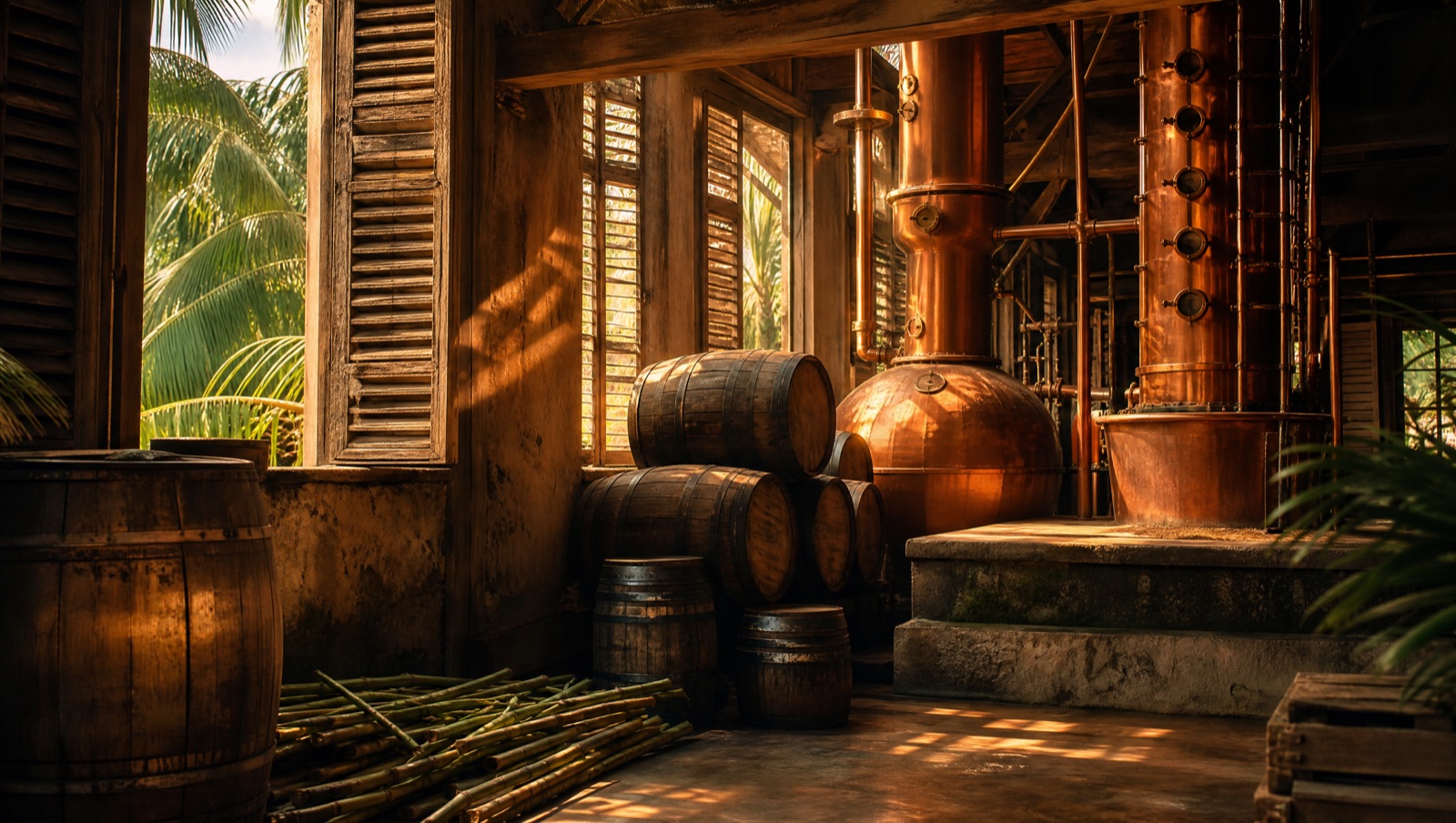
Destilerías Aldea (Ron Aldea)
Agricole rum from La Palma sugarcane

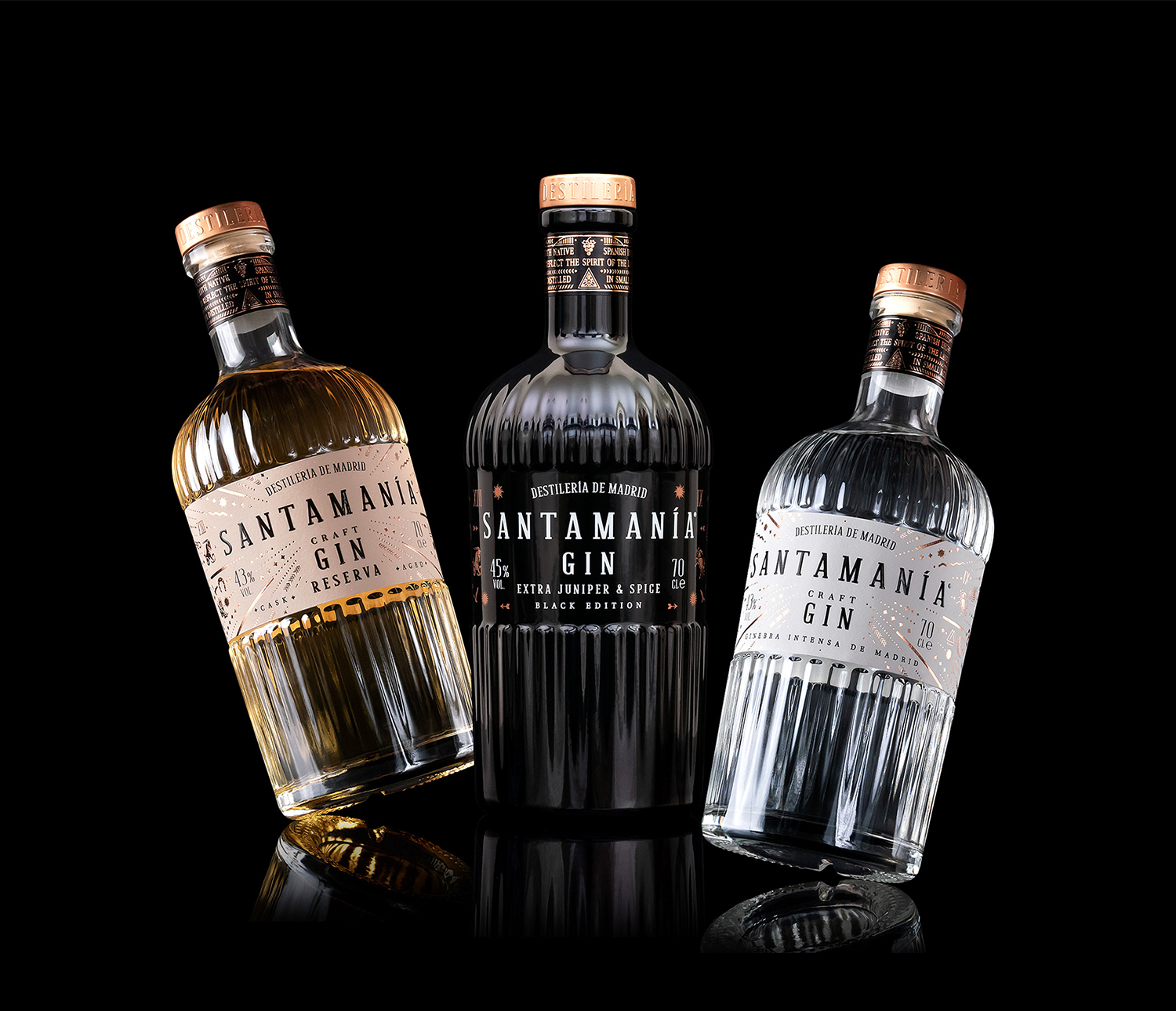
Santamanía Destilería Urbana
Spain's pioneering urban craft distillery
About distillery tours in Spain
Spain has quietly become one of Europe's most rewarding countries for a distillery visit, partly because its spirits story is so varied. The Iberian distilling tradition runs deep, shaped over centuries first by wine-based brandies and orujo and later by a remarkable gin culture, and the country is now reported to have the highest gin consumption in Europe. That enthusiasm shows in the cellar door: producers here are unusually open to experiment, often building neutral spirit from grapes rather than grain and layering in Mediterranean and citrus botanicals grown close to the still.
The ten distilleries gathered here span that whole spectrum. On Menorca, Destilería Xoriguer carries a wine-based gin tradition that dates to the island's 18th-century British years, while Gin Mare (Destilerías MG) and Corpen in Barcelona showcase the Mediterranean botanical style that put modern Spanish gin on the map. In Andalucía, Puerto de Indias near Seville is the home of strawberry gin; in Segovia, Destilerías DYC remains Spain's best-known whisky house; and the Canary Islands give you rum at Destilerías Aldea and Arehucas. Add Madrid's urban Santamanía, the Basque Moonshiners (Agot) project and Destilerías Acha, and you can plan a trip around almost any spirit you like.
Tours typically pair a walk through the still house with guided tastings, and many of the bigger names welcome visitors year-round.
What to expect on a tour
Spanish distillery visits range from polished, ticketed experiences at the larger houses to intimate sessions at smaller urban or island operations. A typical tour walks you through the production story, usually starting with the base spirit (grape or grain), then the botanical or maturation process, before finishing with a guided tasting. Gin producers such as Gin Mare and Corpen in Barcelona tend to emphasise Mediterranean botanicals and the art of the perfect gin and tonic, a serve Spain is famous for reinventing. At a whisky house like DYC in Segovia you can expect more focus on grain, ageing and the warehouse; at the Canary rum distilleries, Arehucas and Aldea, the emphasis shifts to sugarcane, ageing cellars and local Ron Miel.
Urban distilleries like Santamanía in Madrid are designed for walk-up curiosity and often run shorter, city-friendly sessions, sometimes with cocktail-making or blending elements. Check each producer's own website before travelling, as opening times, languages offered and whether visits are by appointment vary considerably.
Getting there & around
Because these distilleries are scattered across the mainland and the islands, plan around regions rather than trying to cover everything in one trip. Barcelona and Madrid are the easiest bases: Corpen, Gin Mare's parent Destilerías MG and Santamanía are all reachable from major cities with good public transport and high-speed rail links. Seville, gateway to Puerto de Indias in the Carmona area of Andalucía, is well served by the AVE train network. Segovia, home of DYC, is a short hop from Madrid by train or road.
The island producers need separate planning. Xoriguer sits in the port of Mahón on Menorca, reached by ferry or a short flight, while the rum houses Arehucas (Gran Canaria) and Aldea (La Palma) involve flights to the Canary Islands. Basque Moonshiners (Agot) and Destilerías Acha are tied to the Basque Country and northern Spain. Given the tastings involved, a designated driver, taxis or public transport are sensible wherever you go.
Frequently asked
- Do I need to book a distillery tour in advance?
- It is wise to. Larger names may run scheduled tours, but many Spanish distilleries, especially smaller urban and island producers, operate by appointment or in limited languages. Always check the individual distillery's own website or contact them before travelling to confirm days, times and whether English-language sessions are available.
- How much does a distillery visit usually cost?
- Prices vary widely by producer and what is included. Some urban or brand-experience tours charge a modest fee that covers a guided tasting, while others may be free or built around a shop visit. Treat any figure as a guide only and confirm current pricing directly with the distillery, as it changes.
- How many distilleries can I realistically visit in a day?
- In a city like Barcelona or Madrid, two relatively close venues in a day is comfortable. Across regions it is harder: Spain's distilleries are spread between the mainland and the islands, so most travellers focus on one area at a time rather than rushing between them.
- Can I drive between distilleries and still do the tastings?
- Spain enforces strict drink-driving limits, so if you intend to taste, do not plan to drive afterwards. Nominate a non-drinking driver, use taxis, or rely on trains and buses. In Madrid, Barcelona, Seville and Segovia, public transport makes car-free visiting straightforward.
- Are distillery tours suitable for children and families?
- Policies differ. Some producers welcome families on the production walk while restricting the tasting portion to adults; others are adults-only for licensing reasons. If you are visiting with children, ask the distillery in advance whether under-18s are permitted and what they can take part in.
- Are the distilleries accessible for visitors with limited mobility?
- Accessibility varies a great deal. Modern urban distilleries and larger purpose-built visitor centres are more likely to be step-free, while historic island sites and older production buildings may involve stairs or uneven floors. Contact the distillery beforehand to discuss your needs and confirm what is possible.
- What kinds of spirits will I actually taste?
- It depends entirely on where you go. Expect Mediterranean-style and flavoured gins in Barcelona, Seville and at Xoriguer on Menorca; whisky at DYC in Segovia; and rum, including the Canaries' honey rum, at Arehucas and Aldea. Spain's gin culture also means you will often be shown how a proper Spanish-style gin and tonic is built.