
Craft Spirits · Vermont
Craft Spirits Distilleries in Vermont
Tour 6 craft spirits distilleries in Vermont. Each offers visits, tastings or experiences you can book directly — including Vermont Spirits Distilling Co., Appalachian Gap Distillery, Mad River Distillers.
6distilleries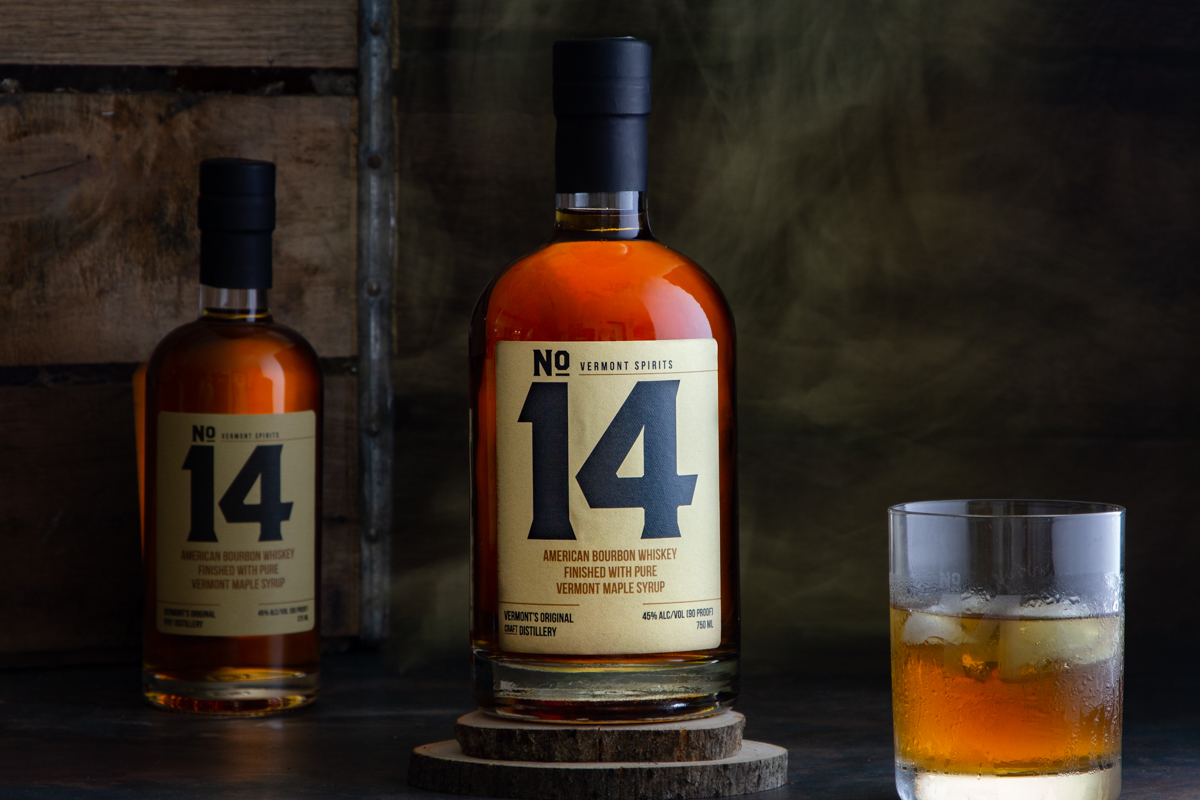


About craft spirits distilleries in Vermont
Vermont's craft spirits scene reads like a love letter to the land it sits on. In a small state better known for cheese, maple and rolling farmland, a tight community of distillers has turned local agriculture into a genuine spirits identity, and they have done it with real credibility, from the most awarded gin made in America to gold-winning vodka and rye that has drawn international praise. What ties producers like Caledonia Spirits, Appalachian Gap Distillery, Mad River Distillers, Stonecutter Spirits, Split Spirits and Vermont Spirits Distilling Co. together is an ingredient-first ethos: Vermont honey, maple sap, locally grown grain and clean mountain water recur from bottle to bottle. Mad River Distillers, for instance, is known for building character through unusual mashbills, while Vermont Spirits has long traded on maple as a defining ingredient and Caledonia Spirits on raw honey. Sustainability runs through it too, with spent grain returned to farms and water carefully managed. For visitors, that means tasting rooms where the story of the spirit is inseparable from the surrounding hills. This guide covers what makes Vermont craft spirits distinctive, how a tasting flows and how to plan a route.
What makes Craft Spirits here special
The signature of Vermont craft spirits is local agriculture in the glass. Maple is perhaps the clearest example: it appears as distilled maple sap in vodka, as a sweetener and smoking agent in whiskey, and as the base of liqueurs, giving Vermont a flavour identity few other regions can claim. Honey plays a parallel role, most famously in Barr Hill from Caledonia Spirits. Grain matters too. Mad River Distillers is known for distinctive mashbills built on grains such as oats, chocolate rye and smoked barley, while other producers work directly with Vermont-grown corn and rye. The scene is small enough that distillers know one another and large enough to span gin, vodka, whiskey, rum and fruit spirits. Just as telling is the culture of stewardship: spent grains often go to local farmers as feed, and water use is managed with care. The result is a craft category defined less by one spirit type than by a shared commitment to provenance, experimentation and small-batch quality.
What to expect from a Craft Spirits tasting
Because Vermont distillers tend to make several categories at once, tastings here are broad and educational. A typical flight might move from a clean vodka or gin through to a barrel-aged whiskey and a maple or honey-touched bottling, letting you trace how one producer expresses many styles. At grain-led houses such as Mad River Distillers, expect the conversation to centre on mashbill choices and wood; at Caledonia Spirits, on honey and bees; at Stonecutter Spirits, on patient barrel ageing. Pours are usually neat or lightly diluted first, with a finishing cocktail to show the spirit in a serve. Tasting rooms are small, often staffed by people involved in production, and questions about sourcing are welcomed. Many distilleries also explain their sustainability practices, from grain reuse to local supply chains, which fits the wider Vermont ethos. Plan on flights rather than full pours, and expect to leave understanding the farm-to-bottle chain as much as the flavours.
Planning your visit
Vermont's distilleries are scattered across the state rather than concentrated, so think of a craft-spirits trip as a touring loop rather than a single destination. Caledonia Spirits is in Montpelier, Appalachian Gap and Stonecutter Spirits are reachable around Middlebury, Mad River Distillers ties to the Mad River Valley area, and others fill in across the map. Distances are rural, so a car and a designated driver are practical necessities; generous flights from multiple producers add up fast. Check current opening hours in advance, as many tasting rooms favour weekends or keep seasonal schedules, and confirm whether tours require booking. Autumn foliage season is the busiest and most scenic, while quieter shoulder months mean more time with staff. Vermont's craft-spirits stops pair naturally with the wider local-food landscape, so build in cheesemakers, farm stands, breweries and maple producers to round out the day.
Frequently asked
- What defines Vermont craft spirits?
- Local agriculture. Maple sap and syrup, raw honey, Vermont-grown grain and clean water recur across the state's distilleries, giving the category a strong farm-to-bottle identity. Sustainability practices, such as returning spent grain to farms, are also common and very much part of the ethos.
- Which Vermont distilleries are good for a craft-spirits tour?
- Caledonia Spirits in Montpelier, Appalachian Gap Distillery, Mad River Distillers, Stonecutter Spirits, Split Spirits and Vermont Spirits Distilling Co. each offer a distinct angle, from honey gin to maple-influenced bottlings to inventive whiskey mashbills.
- Are Vermont distilleries multi-spirit producers?
- Many are. It is common to find gin, vodka, whiskey, rum and fruit or maple spirits made under one roof, which makes for broad, educational flights that show how a single producer interprets several categories.
- How does maple feature in Vermont spirits?
- In several ways. Distilled maple sap can form the base of a vodka, maple syrup is used to sweeten or smoke whiskeys, and maple liqueurs are a category in their own right. It is one of the clearest markers of a Vermont-made spirit.
- Do I need a car to visit Vermont distilleries?
- Effectively, yes. The state's distilleries are spread across rural areas with limited public transport, so a car is the practical way to link stops. Given the number of pours, nominate a designated driver or arrange transport.
- When should I plan a visit?
- Autumn is the most popular and scenic time thanks to the foliage, but it is also the busiest. Spring and summer can be quieter and more relaxed. Always confirm opening hours ahead, as several tasting rooms keep seasonal or weekend-weighted schedules.