
Distillery tours
Distillery Tours in Vermont
Plan a distillery tour in Vermont: 7 distilleries to visit, with tastings and experiences you can book directly. Expect Gin, Craft Spirits, Rum and more. Highlights include Split Spirits, Smugglers' Notch Distillery, Caledonia Spirits (Barr Hill).
7distilleries



About distillery tours in Vermont
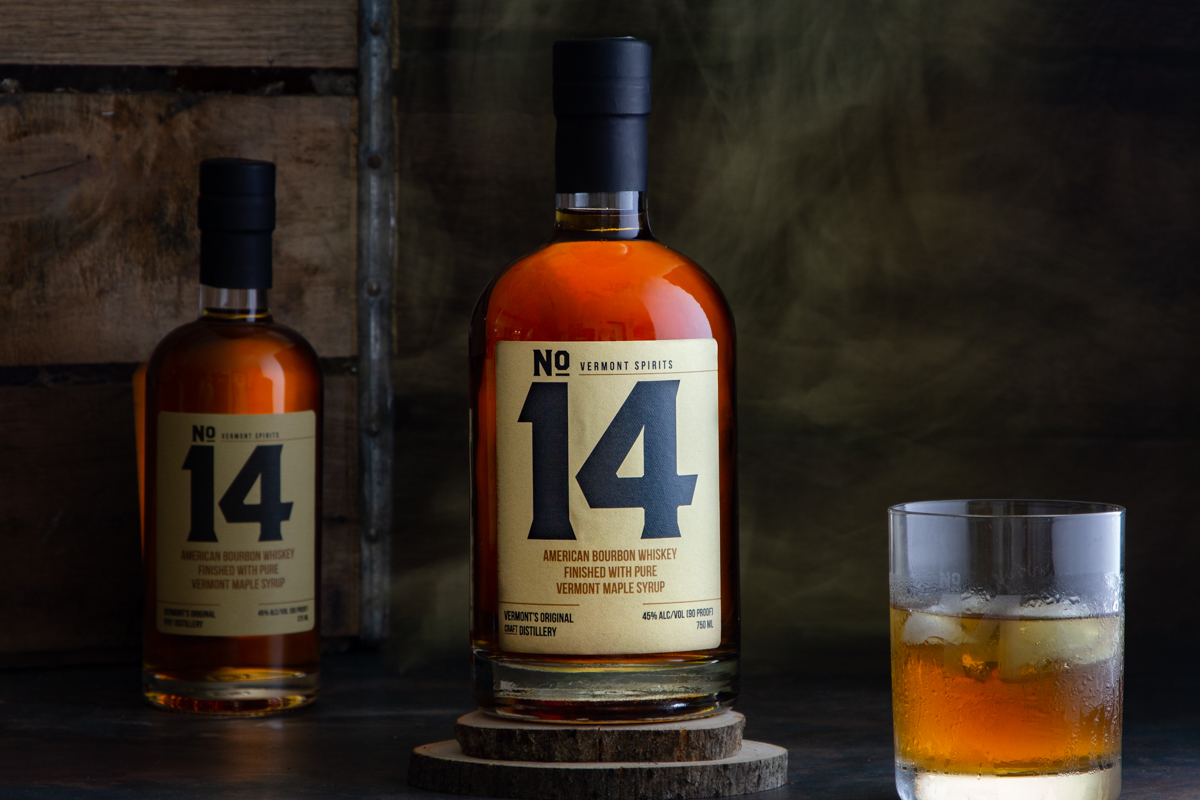
Vermont's distilling scene is small, tightly knit and proudly tied to the land, which makes it a rewarding place to follow a spirits trail at an unhurried pace. The state's reputation rests heavily on Caledonia Spirits, whose Barr Hill Gin is built around raw Vermont honey and has become the best-known spirit the state produces. But the picture is broader than one famous gin. Across the Green Mountains you will find grain-to-glass whiskey makers, maple-forward spirits, brandies and small-batch experiments that lean on local farms, sugarbushes and apple orchards. Producers such as Appalachian Gap Distillery, Mad River Distillers, Smugglers' Notch Distillery, Split Spirits, Stonecutter Spirits and Vermont Spirits Distilling Co. give the trail real variety, from polished tasting rooms to working farm operations. Because the distilleries are spread between the Champlain Valley, central Vermont and the Northeast Kingdom, a trip here pairs naturally with the things Vermont already does well: scenic drives, mountain villages, farm-to-table food and a strong local-maker ethos. Treat it as a leisurely loop rather than a checklist, and the landscape becomes as much a part of the experience as the pour.
Following the Vermont trail
Vermont rewards a loop-style itinerary rather than a single concentrated cluster. Many visitors anchor a trip around the central corridor near Montpelier and Waterbury, where Caledonia Spirits (maker of Barr Hill) operates a full tasting room and bar, then branch out toward the Champlain Valley and the mountain towns. Appalachian Gap Distillery and Stonecutter Spirits sit in the Mad River and Champlain Valley areas, making them easy to combine, while Mad River Distillers works from a farm setting that captures Vermont's agricultural character. Further afield, Smugglers' Notch Distillery ties to one of the state's most famous mountain passes, and Vermont Spirits Distilling Co. and Split Spirits round out the range with their own house styles. Distances between stops are short by American standards but the roads are winding and seasonal, so building the route around two or three regions per day keeps things relaxed. Foliage season and summer are the busiest stretches; winter visits are quieter but worth checking hours in advance.
Distilleries worth prioritising
If your time is limited, Caledonia Spirits is the natural headline stop, both for the chance to taste Barr Hill Gin at source and to see how raw honey shapes the spirit. From there, choose based on what you most want to taste. Whiskey-focused visitors should look at Mad River Distillers and Stonecutter Spirits, both of which lean into barrel-aged work, while Appalachian Gap Distillery is known for an inventive, internationally minded range. Smugglers' Notch Distillery is a good pick if you want approachable, widely available spirits alongside a scenic setting, and Vermont Spirits Distilling Co. and Split Spirits suit travellers who enjoy seeking out smaller, more local names. Rather than trying to hit all seven, a satisfying first trip might pair the central Vermont producers around Montpelier with one or two in the Champlain or Mad River valleys, leaving the Northeast Kingdom and outlying stops for a return visit.
Where to stay & eat nearby
Vermont's distilleries sit within easy reach of the towns travellers already use as bases. Montpelier and nearby Waterbury work well as a hub, with Caledonia Spirits offering food alongside tastings, and the wider area packed with the farm-to-table restaurants, cafes and country inns the state is known for. The Champlain Valley and Burlington area give you more lodging and dining choice if you want a livelier evening, while the Mad River Valley and Stowe-Smugglers' Notch corridor suit those combining tastings with hiking or skiing. Across all of these, expect a strong emphasis on local produce, Vermont cheese, maple and craft beer, so it is easy to build meals around the same regional sourcing the distilleries celebrate. Booking ahead is sensible during foliage and ski seasons, when small inns fill quickly.
Frequently asked
- What is Vermont best known for in distilling?
- Vermont is best known for Barr Hill Gin from Caledonia Spirits, which is built around raw Vermont honey and has become the state's signature spirit. Beyond that, the scene is recognised for grain-to-glass whiskey, maple-forward spirits and a strong local-sourcing ethos across small producers.
- How many distilleries can I realistically visit in a day?
- Two to three is a comfortable pace. Roads are scenic but winding, and tastings are best enjoyed slowly, so most visitors group stops by region — for example the central Vermont producers near Montpelier, or those in the Champlain and Mad River valleys.
- Do I need to book distillery visits in advance?
- For tastings you can often walk in, but guided tours and busy seasons are another matter. During foliage season, summer and ski season it is wise to check hours and reserve where possible, as some smaller distilleries keep limited days.
- Where should I base myself for a Vermont distillery trip?
- Montpelier and Waterbury make a strong central base near Caledonia Spirits, while Burlington and the Champlain Valley offer more lodging and dining. The Stowe and Smugglers' Notch area suits visitors who want to combine tastings with the outdoors.
- Is Vermont a good destination for whiskey specifically?
- Yes. While gin draws the headlines, producers such as Mad River Distillers and Stonecutter Spirits focus on barrel-aged whiskey, and several distilleries take a grain-to-glass approach using local grain.
- When is the best time of year to visit?
- Autumn foliage season is spectacular but busy, summer offers the longest days and most open tasting rooms, and winter pairs well with skiing near Stowe and Smugglers' Notch. Spring is quietest, so confirm opening hours before travelling.