
Distillery tours
Distillery Tours in Western Cape
Plan a distillery tour in Western Cape: 5 distilleries to visit, with tastings and experiences you can book directly. Expect Gin, Rum, Single Malt and more. Highlights include Deep South Distillery, James Sedgwick Distillery, Hout Bay Distillery.
5distilleries
About distillery tours in Western Cape
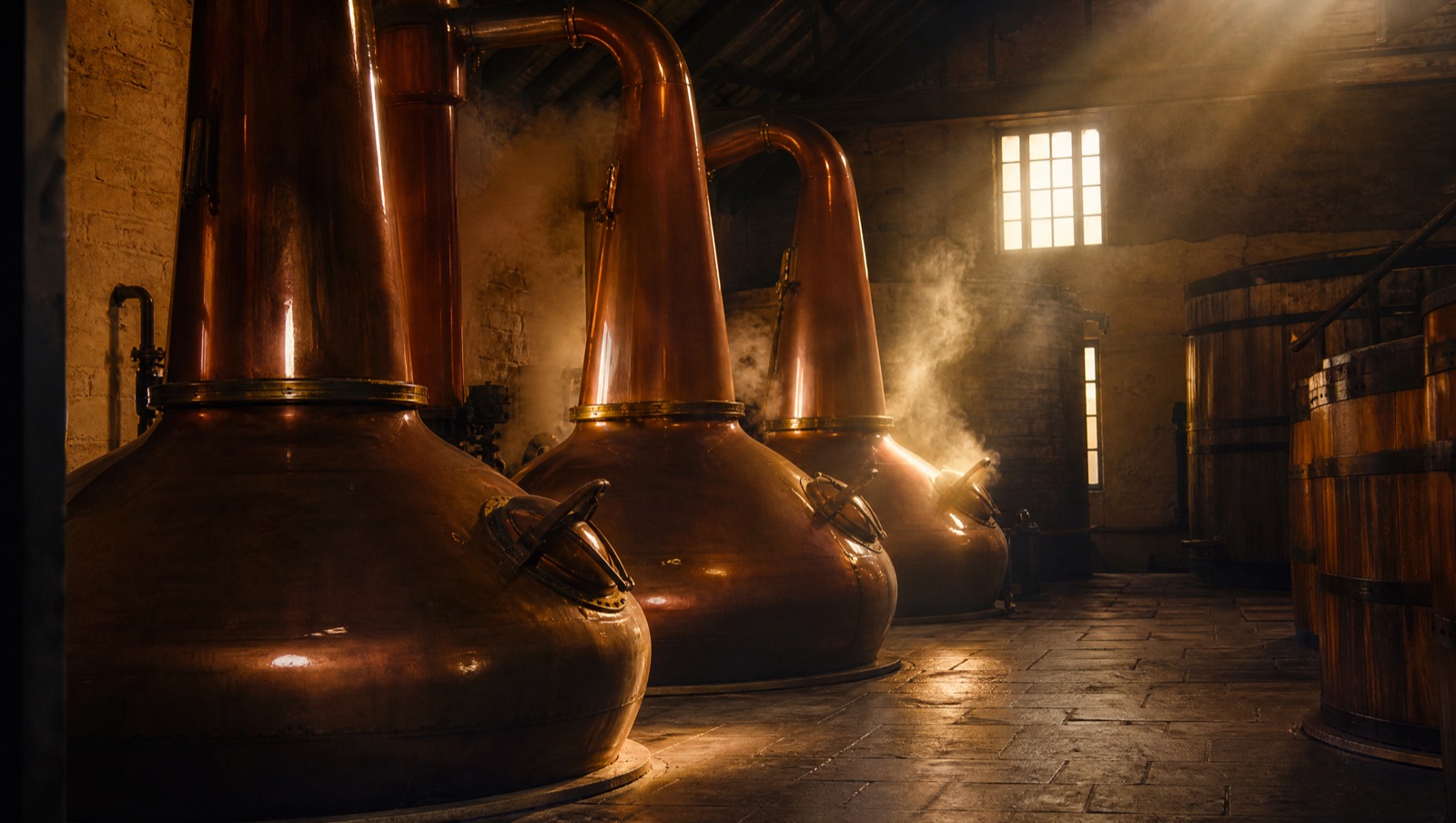
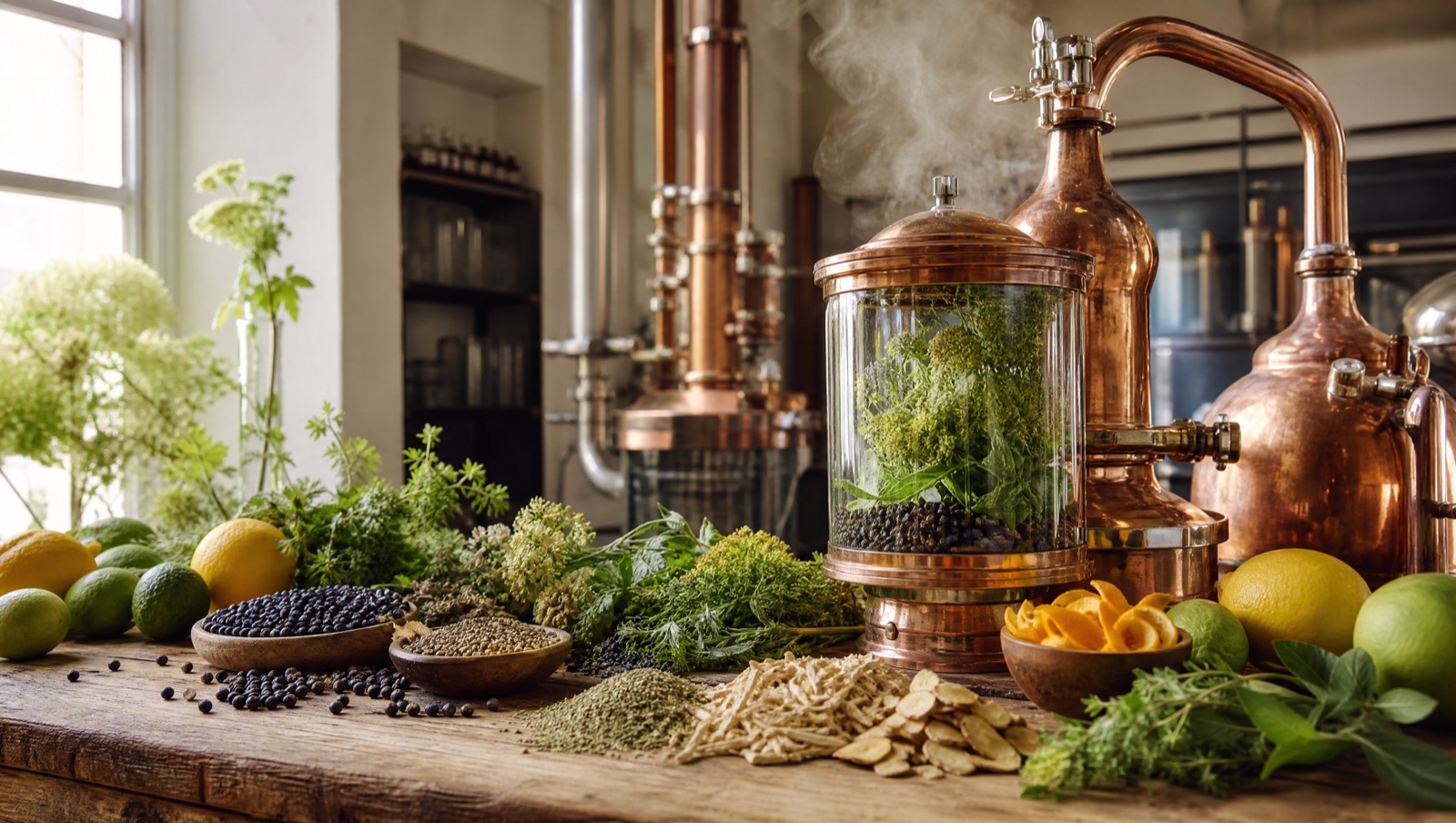
The Western Cape is the beating heart of South Africa's craft-spirits revival, where Cape fynbos botanicals, a Mediterranean climate and a deep winemaking heritage have all been turned to the still. Gin leads the charge here, with distillers foraging the indigenous fynbos that blankets the Cape Floral Kingdom, but the region is far more than juniper alone. It is home to the only commercial whisky distillery on the African continent, alongside makers of rum, vodka and brandy. A trail through the Western Cape naturally threads together the dramatic Cape Peninsula, the historic Winelands around Wellington and the wide-open Garden Route, so a spirits journey doubles as a tour of some of the country's most spectacular scenery. Stops range from intimate, family-run operations to landmark distilleries with decades of pedigree. Deep South Distillery and Hout Bay Distillery sit close to Cape Town itself, James Sedgwick anchors the Winelands, New Harbour brings craft spirits to the coast, and Inverroche has built its name on Cape fynbos gin. Together they make for a trail that rewards both the curious newcomer and the seasoned spirits enthusiast.
Following the Western Cape trail
The most natural way to tackle the Western Cape is in loops radiating out from Cape Town. Start on the Cape Peninsula, where Deep South Distillery sits within easy reach of the city and pours award-winning craft gin alongside rum and vodka, then drop into Hout Bay Distillery, a small family-run house tucked beneath the mountains. From there, head inland to the Winelands and the town of Wellington, where the James Sedgwick Distillery offers a rare chance to see whisky made on African soil. Push further east along the Garden Route and the trail opens up towards coastal makers such as New Harbour Distillery and the fynbos-forward Inverroche. You need not do it all in one go; many visitors pair a peninsula day with a single Winelands excursion.
Distilleries worth prioritising
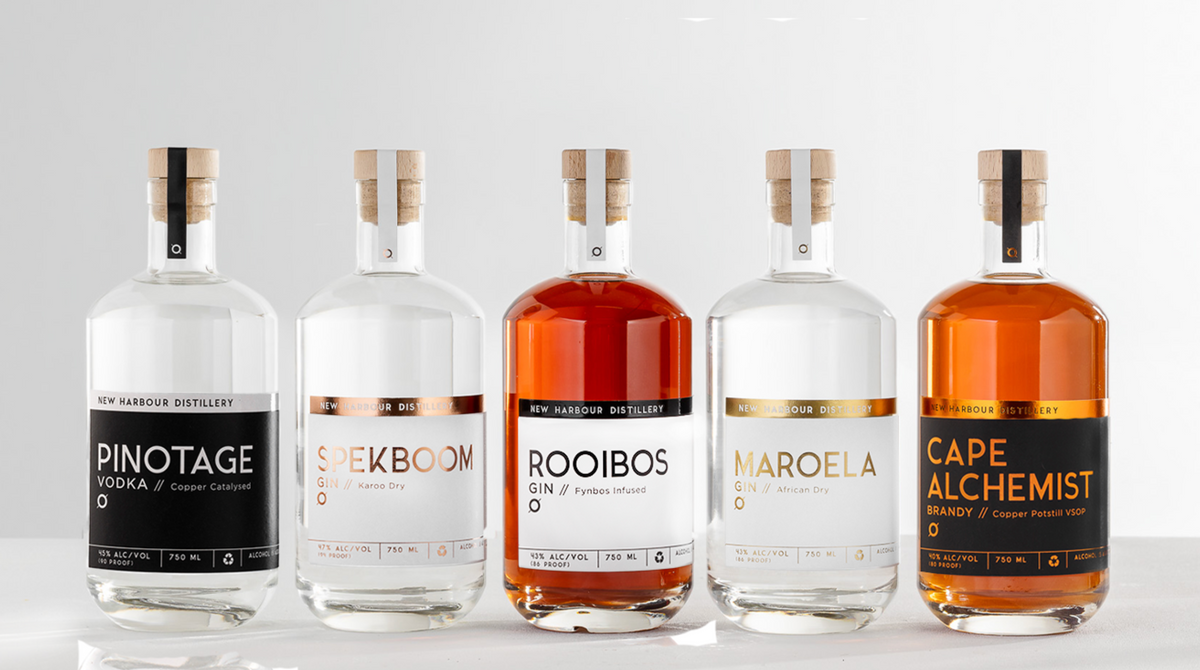
If your time is short, let your taste lead. For gin grounded in the Cape's wild botanicals, Inverroche has made fynbos its signature, while Deep South and Hout Bay reward those who want craft gin close to Cape Town. Whisky lovers should make Wellington a priority: the James Sedgwick Distillery runs limited, intimate tours that walk you through the whole whisky-making process before a guided tasting, so booking ahead is essential. New Harbour Distillery rounds out the picture with a broader craft range. Trying to combine all five in a single trip is ambitious, so cluster them by area and travel time rather than attempting a marathon.
Where to stay & eat nearby
Cape Town and its surrounds make an easy base, with everything from boutique guesthouses to waterfront hotels within a short drive of the peninsula distilleries. For a Winelands stay, the towns around Wellington and Paarl offer wine estates with restaurants and rooms, ideal if you are pairing a James Sedgwick visit with a few days of vineyard hopping. Along the Garden Route, coastal towns provide relaxed seafood spots and self-catering options. Wherever you base yourself, the Western Cape's food culture, from farm-to-table tables to fresh harbour catches, complements a spirits trail beautifully.
Getting there & around
Cape Town International Airport is the regional gateway, with good links to the rest of South Africa and beyond. A hire car is by far the most practical way to follow the trail, as distilleries are spread across the peninsula, the Winelands and the Garden Route, and public transport between them is limited. Distances add up quickly once you leave the city, so plan driving time generously and always nominate a designated driver or book a tour with transport included, since tastings are central to the experience.
Frequently asked
- Is there really a whisky distillery in the Western Cape?
- Yes. The James Sedgwick Distillery in Wellington is widely described as the only commercial whisky distillery on the African continent, and it runs guided tours followed by a tasting on selected days. Because numbers are limited, booking in advance is strongly recommended.
- What spirits is the Western Cape best known for?
- Gin is the standout, particularly styles built around indigenous Cape fynbos botanicals, but the region also produces whisky, rum, vodka and brandy. Distilleries such as Deep South make several of these in-house, so you can often taste across categories in one visit.
- Do I need to book distillery tours in advance?
- For smaller and tour-limited venues, yes. The James Sedgwick whisky tours in particular have capped guest numbers, and family-run houses may have set tasting times. Checking each distillery's site before you travel saves disappointment.
- Can I visit Western Cape distilleries without a car?
- It is difficult to do the full trail without one, as the distilleries are scattered across the peninsula, Winelands and Garden Route. The simplest alternatives are an organised tour with transport included or a private driver, both of which let you taste freely.
- How should I combine distilleries with the Winelands?
- Base yourself near Wellington or Paarl for a couple of nights and pair a James Sedgwick visit with the surrounding wine estates. This gives you a relaxed Winelands stay while keeping a craft-spirits stop within easy reach.
- What makes Cape fynbos gin distinctive?
- Fynbos is the indigenous shrubland vegetation of the Cape Floral Kingdom, and distillers forage it for aromatic, herbal and floral botanicals you will not find elsewhere. Inverroche is among the makers that have built their identity around it, giving these gins a strong sense of place.